 Bellingham Siding
 Siding Built for Columbia's Corner of Bellingham
The Columbia neighborhood sits close enough to Bellingham Bay and the surrounding waterways that its homes deal with a specific combination of weather stress most inland properties never see. Salt-tinged air off the bay, wind-driven rain that comes in sideways off Puget Sound storms, and a mild, damp climate that keeps moss and algae active nearly year-round all work on exterior siding at the same time. We've worked on homes throughout this part of Bellingham long enough to know which siding failures show up here first, and which products hold up and which ones don't.
This page covers what Columbia homeowners should know before their next siding project, why we install James Hardie fiber cement exclusively, and how our siding, roofing, window, and deck work fits together as one exterior system rather than a patchwork of separate repairs.
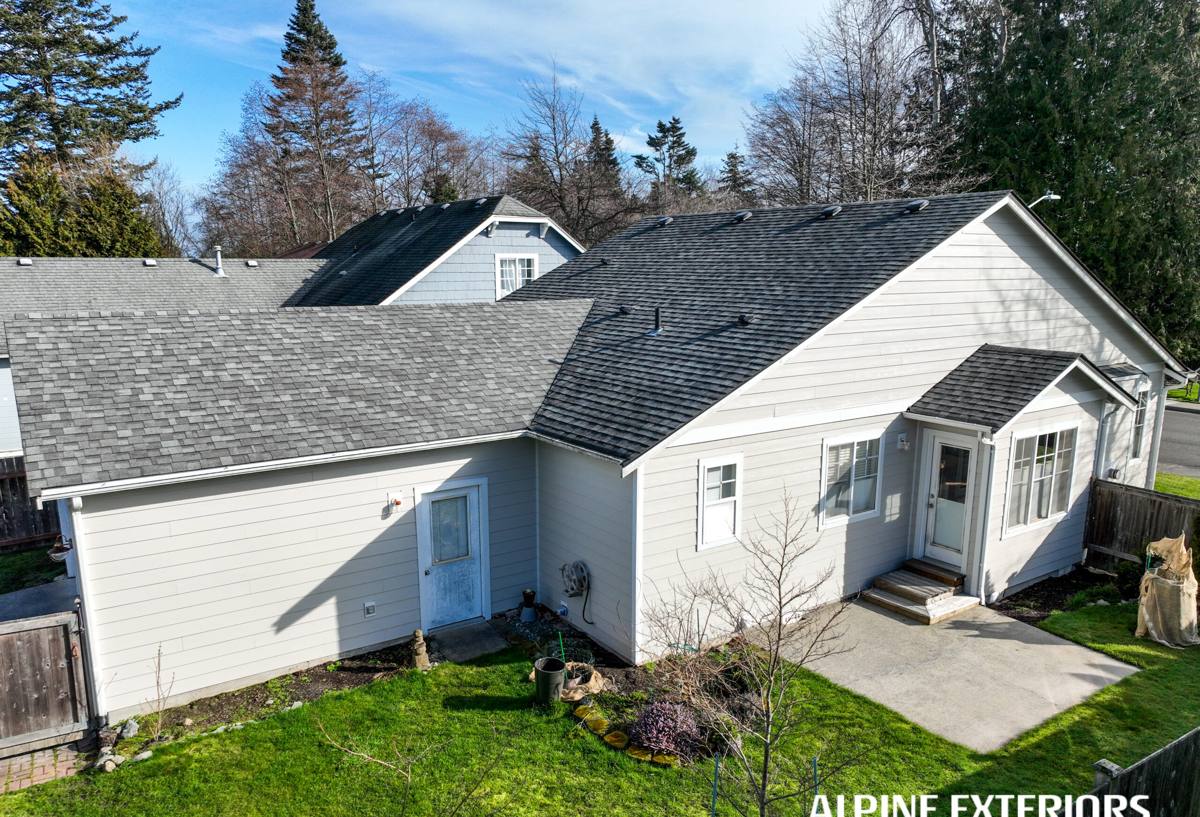
What Whatcom County Weather Does to Siding
Salt Air and Corrosion
Homes closer to Bellingham Bay pick up salt-laden moisture in the air, even a mile or two inland. Over years, that salt exposure accelerates corrosion on fasteners, trim flashing, and any siding material that relies on painted metal or untreated wood components. It also speeds up the breakdown of caulking and sealant joints, which is exactly where water intrusion tends to start.
Driving Rain
Bellingham doesn't get the heaviest rainfall totals in Western Washington, but storms here frequently come with wind, and wind-driven rain pushes water sideways into seams, laps, and butt joints that would stay dry in a calm rain. Siding that isn't installed with the right overlaps, flashing, and clearances will eventually let that water behind the cladding.
Moss, Algae, and a Long Damp Season
Whatcom County's mild, wet winters and cool, cloudy shoulder seasons keep exterior surfaces damp for extended stretches, especially on north-facing walls and anywhere shaded by mature trees — common throughout Columbia's older, established lots. That moisture supports moss and algae growth on siding surfaces, which holds even more water against the material and accelerates whatever deterioration process is already underway.
Why We Only Install James Hardie
We get asked regularly why we don't offer vinyl, LP SmartSide, cedar, primed spruce, or other fiber cement brands like Allura or Cemplank. The honest answer is that after years of installing and repairing siding across Whatcom County's climate, James Hardie is the one product we're confident holds up to what this area throws at it without turning into a maintenance project for the homeowner.
- Non-combustible core: Hardie fiber cement doesn't feed a fire the way wood-based products can, which matters for insurance conversations and long-term peace of mind.
- ColorPlus factory finish: The color is baked on at the factory under controlled conditions, which holds up far better against UV and moisture than field-applied paint, and it comes with its own finish warranty.
- Engineered for this climate: Hardie's HZ5 product line is specifically formulated for the Pacific Northwest's freeze-thaw and moisture cycles, not a generic national spec.
- Dimensional stability: Fiber cement doesn't swell, warp, or rot the way wood-based sidings like LP SmartSide or cedar can when moisture gets past the surface.
- Transferable warranty: A strong, documented warranty that carries value if the home sells, not just marketing language.
We're not going to tell you vinyl or wood siding is worthless — they have real advantages, mainly upfront cost. What we will say is that in a climate with this much sustained moisture and salt exposure, we'd rather stand behind one product we trust completely than offer several and hope the cheaper ones perform. That's a standard we hold to on every job, not a sales pitch for this page.
Comparing Siding Options for a Columbia Home
| Material | Moisture Behavior | Salt Air Resistance | Typical Maintenance |
|---|---|---|---|
| James Hardie Fiber Cement | Excellent — doesn't absorb and swell | Strong; factory finish resists breakdown | Occasional wash, minimal repainting |
| Vinyl | Can warp and gap over time; seams are weak points | Fasteners and trim can corrode | Low, but limited repair options once damaged |
| Cedar | Absorbs moisture; prone to rot without diligent upkeep | Moderate; needs regular sealing | High — refinishing every few years |
| LP SmartSide / Primed Spruce | Wood-strand core is moisture-sensitive at cut edges and seams | Moderate; depends on caulking integrity | Moderate to high; edge sealing is critical |
This isn't a claim that the alternatives fail on every home — plenty perform fine with diligent upkeep. It's a reflection of what happens on average, in this specific climate, over a 20-30 year ownership horizon.
What a Siding Project Looks Like in Columbia
Assessment First
Before we talk products or pricing, we look at the actual condition of the wall assembly — house wrap, sheathing, any signs of past moisture intrusion around windows and trim. Siding replacement is the right time to catch and correct problems that would otherwise get sealed behind new material.
Proper Installation Details
Hardie siding performs the way it's rated to perform only when it's installed correctly — proper starter strips, fastener spacing, clearances above grade and roof lines, and flashing at every penetration and joint. A lot of the siding failures we get called out to inspect in Whatcom County aren't material failures at all; they're installation shortcuts that let water in behind a product that would have otherwise lasted decades.
Trim, Color, and Finish
ColorPlus comes in a range of factory-finished colors and coordinating trim options, so a Columbia home can get a clean, cohesive exterior without relying on field painting that will need to be redone in a handful of years.
Siding Doesn't Work in Isolation
New siding on a roof that's nearing the end of its life, around windows with failing seals, or above a deck ledger board with hidden rot doesn't solve the underlying problem — it just gives it a fresh coat of paint. We handle siding, roofing, windows, and decks because these systems all interact at the same flashing points and the same wall assembly. When we're on a Columbia property for a siding estimate, we'll flag anything else we see that could undermine the work, whether or not it's something we end up doing.
- Roofing: Roof-to-wall flashing and drip edges directly affect how water sheds off the top of your siding.
- Windows: Window flashing integration is one of the most common sources of hidden water damage behind new siding.
- Decks: Ledger board attachment and deck flashing near the house wall are a frequent moisture entry point in this climate.
Signs a Columbia Home Might Need Siding Attention
- Visible moss or algae buildup that returns quickly after cleaning
- Soft or spongy spots when pressing on siding, especially near the bottom courses
- Paint that's peeling, bubbling, or chalking faster than expected
- Visible gaps, warping, or separation at seams and corners
- Rising energy bills that suggest the wall assembly isn't insulating the way it should
- Water stains or discoloration on interior walls near exterior corners
Working With a Local Crew
Whatcom County's building conditions, permitting expectations, and weather patterns aren't the same as a generic regional average, and a crew that works this area regularly knows the difference. That means knowing how much overlap and clearance actually holds up against local wind-driven rain, which details matter most on homes exposed to bay-adjacent salt air, and how to sequence a project around a typically wet forecast so the wall assembly isn't left open longer than necessary. A crew that shows up, does the job, and leaves the area doesn't carry that experience with them the way a local team does.
What to Expect From an Estimate
A straightforward siding estimate should walk you through the actual condition of your current exterior, what we'd expect to find once removal starts, a clear product and color plan, and a written scope you can compare against other bids without guesswork.
| Factor | Why It Affects Cost |
|---|---|
| Wall square footage and home shape | More corners, dormers, and trim details mean more labor and cut waste |
| Current siding removal | Tear-off and disposal add time and cost versus new construction |
| Sheathing or moisture repair needed | Hidden damage found during removal changes scope |
| Trim and accessory selections | Corner boards, trim profiles, and reveal style affect material and labor |
| Access and site conditions | Grade, landscaping, and staging space affect crew efficiency |
If your Columbia-area home is due for new siding, or you're weighing options after storm damage, moss buildup, or just years of wear, we're happy to take a look and walk you through what we're seeing — no pressure, no obligation. Reach out for a free estimate using the form below.