 Bellingham Siding
 Deck Replacement Built for Columbia's Weather, Not Just Its Views
Columbia is one of those Bellingham neighborhoods where you can smell the bay on a damp morning and watch moss creep across a north-facing deck board by board. That combination — salt-tinged air, long stretches of driving rain, and a moss season that runs longer here than it does further inland — is exactly why so many decks in this part of town fail years before they should. We've replaced enough of them to know the pattern: a deck that looked fine from the yard, but underneath had soft joists, rusted fasteners, and a ledger board that had been quietly rotting behind the flashing for years.
A deck replacement here isn't just swapping old boards for new ones. It's rebuilding the whole system — framing, fasteners, flashing, and surface — so it actually holds up to what Whatcom County throws at it year after year.
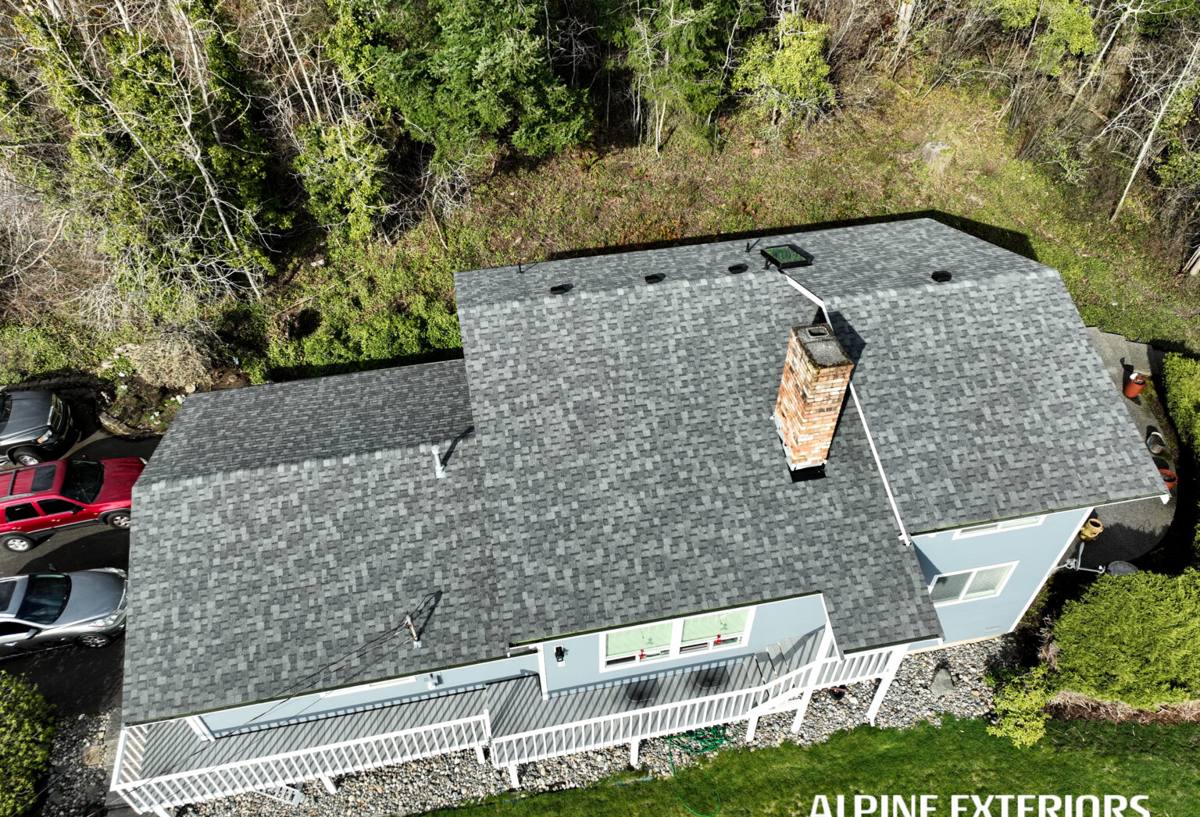
Why Decks in Columbia Fail Faster Than the Manufacturer's Warranty Suggests
Salt Air and Metal Fatigue
Columbia's proximity to Bellingham Bay means airborne salt reaches decks that never see standing saltwater. Over time it accelerates corrosion on cheaper fasteners, joist hangers, and structural screws. Once a fastener starts rusting, it loses grip strength long before it looks obviously bad — which is why a deck can feel "solid enough" right up until a board or railing post fails.
Driving Rain and Water That Doesn't Just Fall Straight Down
Wind-driven rain off the water pushes moisture sideways into gaps that a purely vertical rain design was never built to handle. That means end grain, fastener heads, and the ledger connection to the house all take on more water than they would in a calmer climate. If those areas weren't sealed and flashed correctly the first time, rot starts from the inside out — invisible until you're standing on it.
Moss, Algae, and the Slow Rot Underneath
Bellingham's moss season stretches long, and a deck with poor drainage or tight board spacing holds moisture under a green film for months at a time. Moss itself doesn't destroy wood, but it traps the moisture that does. Decks with inadequate gapping or a solid surface underneath (patios, low clearance, dense landscaping) are the ones we see rot out fastest.
What "Replacement" Should Actually Mean
A lot of deck jobs get sold as replacement when they're really a resurfacing — new boards nailed onto old, possibly compromised framing. We don't do that. A proper replacement means:
- Full removal of the old decking, railings, and any framing that doesn't check out structurally
- Inspection of the ledger board attachment to the house — the single most common failure point on older Columbia decks
- Correct flashing at the ledger, including proper integration with the house's existing water management, not just caulk over a gap
- Joist spacing and hardware rated for the decking product going down, not whatever was on hand
- Fasteners and connectors rated for coastal/high-moisture exposure, not standard interior-grade hardware
- Proper board spacing and airflow underneath to let the deck actually dry out between rain events
Skipping any of these steps is how a deck ends up needing "replacement" again in eight years instead of twenty-five.
Decking Material Choices for This Climate
There's no single right answer for every Columbia home — it depends on budget, how much maintenance you want to do, and how the deck sits relative to sun, shade, and moisture. Here's how the common options actually compare in this climate, honestly:
| Material | Moisture Behavior Here | Maintenance | Typical Lifespan |
|---|---|---|---|
| Pressure-treated wood | Handles rain fine if sealed regularly; end grain and fasteners are the weak points | Annual cleaning, re-seal every 1-2 years | 10-15 years with upkeep |
| Cedar | Naturally rot-resistant but still needs sealing against driving rain and salt air | Re-seal or stain every 1-2 years | 15-20 years with upkeep |
| Composite decking | Doesn't rot or absorb water into the board itself; hollow-core products can trap moisture if capping is thin | Periodic wash-down, no sealing | 25-30 years |
| PVC decking | Fully moisture-immune board; best option for constant shade/moss-prone areas | Occasional wash-down | 25-30+ years |
Our general standard: in shaded, moss-prone yards common in Columbia, we steer homeowners toward composite or PVC unless there's a strong reason to stay with wood. It's not that wood is a bad product — it's that wood in constant shade with coastal moisture takes more upkeep than most homeowners actually keep up with, and we'd rather be honest about that up front than sell a deck that needs babying every spring.
Framing and Fasteners: The Part Nobody Sees Until It Fails
The decking surface gets all the attention, but the framing underneath is what actually determines whether the deck is safe. In a high-moisture, salt-influenced area like Columbia, we treat the substructure as non-negotiable:
- Structural screws and joist hangers rated for exterior/coastal exposure — not standard galvanized when better options exist
- Ledger flashing that integrates with the house's water-resistive barrier, sealing the single most common rot point on older decks
- Post bases that keep wood posts off standing water and slab moisture
- Blocking and bracing sized to current code, since many older Columbia decks were built to standards that have since been tightened
None of this is visible once the new decking goes down — which is exactly why it matters who does it and how carefully.
Our Process, Start to Finish
- On-site assessment: We inspect the existing deck's framing, ledger connection, and any soft or discolored areas before quoting anything.
- Honest scope: We tell you plainly whether you need a full rebuild, a partial framing repair with new decking, or whether the existing structure is sound enough to resurface.
- Material walkthrough: We go over wood, composite, and PVC options against your budget, sun/shade exposure, and how much upkeep you actually want to do.
- Demo and inspection: Once the old surface is off, we inspect framing and ledger connections that weren't visible before — and we tell you immediately if anything changes the scope.
- Rebuild: Framing, flashing, and hardware go in to current standards, sized for coastal/high-moisture exposure.
- Surface and railings: Decking, fascia, and railings installed with proper spacing and fastening for drainage and airflow.
- Final walkthrough: We walk the finished deck with you and explain any maintenance the specific material needs going forward.
What to Check Before You Hire Anyone for This
Deck replacement is structural work — it's holding people up, often ten feet or more off the ground. Before you sign anything, it's worth confirming a few basics:
- Do they inspect the ledger board and framing before quoting, or just measure the visible deck footprint?
- Are they pulling a permit where required? Whatcom County and City of Bellingham have inspection requirements for deck structural work, and skipping the permit is a red flag, not a shortcut.
- Do they specify fastener and hardware grade in writing, or just "decking and materials as needed"?
- Can they explain, in plain terms, why they'd recommend one decking material over another for your specific yard?
- Do they have experience with the specific conditions in coastal Whatcom County neighborhoods, not just decks in general?
A crew that already works in Columbia and similar Bellingham neighborhoods has already seen what salt air and moss do to a deck over ten or fifteen years — that's not something you can substitute with a generic checklist.
Permits and Local Requirements
Most deck replacement work involving structural changes — new framing, altered footprint, or railings above a certain height — requires a permit locally. This isn't paperwork for its own sake; it means the framing, fastener spacing, and railing height actually get checked against current code before it's covered up. We handle the permit process as part of the job rather than leaving it for the homeowner to sort out, and we build to pass inspection the first time.
What a Realistic Timeline Looks Like
A straightforward deck replacement on an existing footprint typically runs from a few days to a couple of weeks, depending on size, whether framing needs full replacement, and permit/inspection scheduling. Weather is a real factor here — we plan around Bellingham's wetter stretches rather than rushing a deck closed up before framing has had a chance to dry and be inspected properly.
If your deck in Columbia is showing soft spots, rust streaks at the fasteners, or moss that won't quit no matter how often you scrub it, it's worth having someone look at what's underneath before you decide what to do next. We offer free, no-pressure estimates — fill out the form below and we'll take a look.