 Bellingham Siding
 Metal Roofing in Columbia: Built for What Bellingham Actually Throws at It
Columbia sits close enough to the water and to Whatcom County's wet weather patterns that a roof here works harder than a roof in a drier inland town. Salt-laden air off the bay accelerates corrosion on unprotected metal and fasteners. Driving rain, often pushed sideways by wind, finds every weak seam and gap in flashing. And the long stretch of overcast, damp months each year gives moss and algae months to take hold on any surface that stays shaded and wet. A metal roof can handle all of that better than most materials — but only if it's specified and installed with this specific climate in mind, not installed the same way a crew would install it in Arizona or Idaho.
This page is about metal roofing for homes in Columbia specifically. We're not going to give you a generic rundown of "why metal roofing is great." We're going to walk through what actually matters for a roof over a Columbia home given the moisture, the salt exposure, and the moss pressure this part of Bellingham deals with every year.
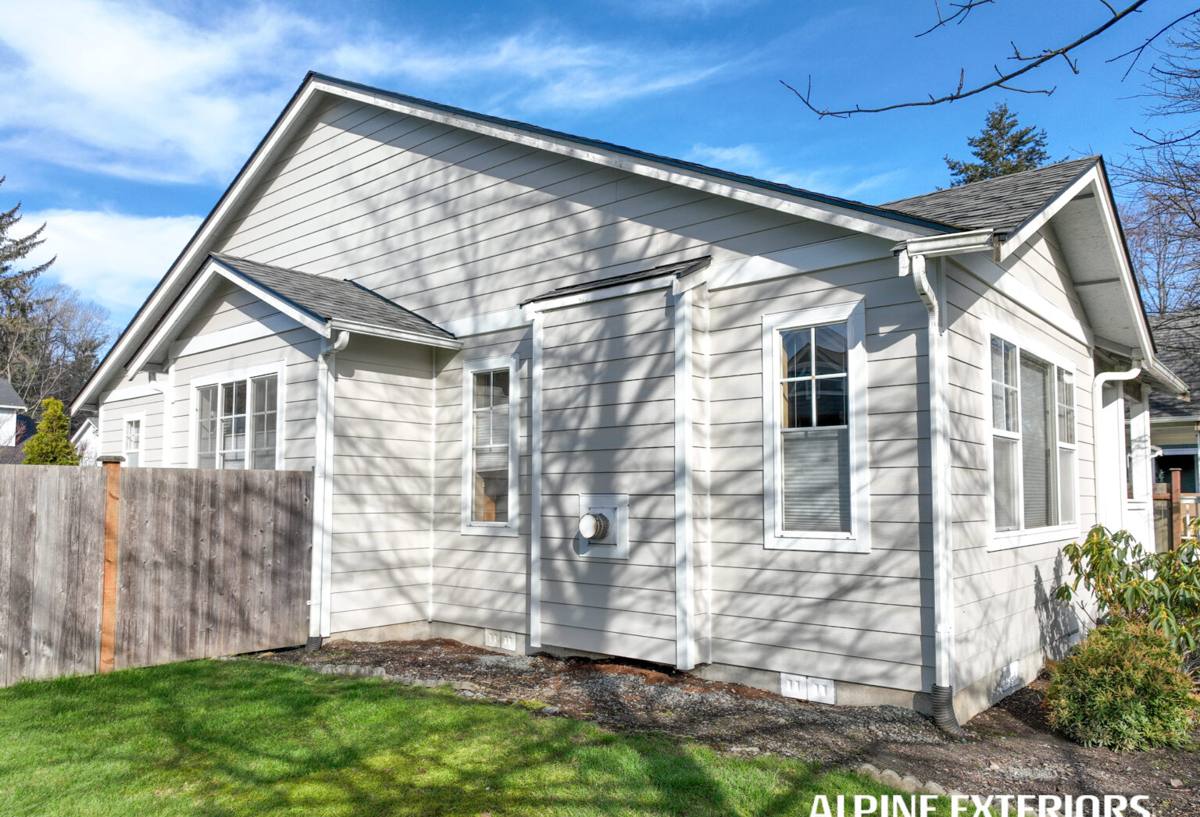
What Columbia's Climate Actually Does to a Roof
Salt Air and Corrosion
Homes closer to Bellingham Bay and the Puget Sound shoreline get airborne salt carried in on wind and fog. Salt accelerates oxidation on any exposed steel — fasteners, cut edges, scratches in a coating — faster than it would inland. This doesn't mean metal roofing is a bad choice near the water; it means the panel material, coating, and fastener hardware all need to be chosen with corrosion resistance as a real requirement, not an afterthought.
Driving Rain
Bellingham doesn't just get rain, it gets rain pushed by wind for days at a time. Water finds its way sideways under poorly lapped panels, through under-flashed penetrations, and into any seam that wasn't sealed correctly the first time. A roof that would be fine under gentle vertical rainfall can leak here if the details weren't built for wind-driven water.
Moss and Algae Season
Whatcom County's damp season runs long — often eight months or more of the kind of humidity and low sun angle that moss loves. On roofs with the wrong slope, poor airflow, or shaded north sides, moss and algae growth is a near-annual maintenance issue. Metal sheds moss far better than asphalt or wood shake because there's no granule surface for spores to grab onto, but panel type, slope, and detailing still affect how much buildup a roof sees over time.
What a Correct Metal Roof Installation Actually Involves
A lot of roofing problems we get called out to inspect in this climate aren't caused by the panel material — they're caused by shortcuts underneath it. On a metal roof, the parts you don't see matter as much as the parts you do.
- Underlayment: A high-temp, self-adhering or synthetic underlayment rated for the panel type, with extra layers at eaves and valleys where wind-driven rain concentrates.
- Fastener selection: Corrosion-resistant fasteners matched to the panel metal — mixing incompatible metals causes galvanic corrosion, which shows up as rust streaking and eventual fastener failure.
- Flashing details: Properly formed and sealed flashing at every valley, wall intersection, chimney, and vent penetration — this is where the overwhelming majority of metal roof leaks originate.
- Ventilation: Balanced intake and exhaust ventilation so moisture doesn't get trapped under the deck, which causes rot and condensation problems independent of the roof surface itself.
- Panel layout and seams: Correct overlap, expansion allowance, and seam type for the panel style so the roof can move with temperature swings without opening gaps.
Skip any one of these and the roof might look fine for a year or two before problems show up — which is exactly why so many roofing issues get blamed on "bad material" when the real cause was installation.
Panel Types: Which Ones Make Sense for a Columbia Home
Not every metal roofing system is a good fit for every house, budget, or roofline. Here's how the two main categories compare for this climate and neighborhood.
| Factor | Standing Seam | Exposed Fastener (Corrugated/Ribbed) |
|---|---|---|
| Fastener exposure | Concealed clips, no exposed fasteners to fail over time | Fasteners penetrate the panel face and need periodic inspection/replacement |
| Salt-air performance | Better long-term corrosion resistance since fasteners aren't exposed to weather | Acceptable with quality fasteners, but exposed screws are the first thing salt air attacks |
| Leak risk from wind-driven rain | Lower — interlocking seams shed water without relying on gasket seals | Slightly higher — depends on gasket condition at each fastener over the roof's life |
| Upfront cost | Higher material and labor cost | More budget-friendly |
| Best fit | Primary residences, longer ownership horizon, higher wind/rain exposure areas | Outbuildings, shops, budget-conscious re-roofs on less exposed structures |
For most primary homes in Columbia, especially anything within closer range of the bay, we lean toward standing seam because the concealed-fastener design holds up better against the combination of salt air and driving rain over the long run. That said, exposed-fastener panels aren't a bad choice on the right structure with the right budget — it depends on the building and how long you plan to own it.
Steel vs. Aluminum
Steel panels with a quality factory coating are the more common choice and perform well here as long as cut edges and fasteners are properly treated. Aluminum doesn't rust at all, which makes it appealing in coastal-influenced air, but it's a softer metal and typically costs more. We'll talk through both options honestly rather than pushing whichever one has a better margin — the right call depends on your specific roof, budget, and how close to the water you are.
Common Problems We See on Older Columbia Roofs
Columbia has a mix of older and newer housing stock, and the roofing issues we run into during inspections tend to follow a pattern:
- Moss buildup in shaded valleys and north-facing slopes that were never treated with a zinc or copper strip
- Rust streaking around older exposed fasteners that were never upgraded or resealed
- Under-flashed chimney and vent penetrations that were adequate for the original roof but never re-detailed during a later re-roof
- Trapped moisture and deck rot from inadequate attic ventilation, unrelated to the roof surface material itself
- Clogged gutters and downspouts overwhelmed by the volume of driving rain typical to this area, backing water up under the roof edge
Most of these are avoidable with correct installation and a bit of routine upkeep — they're not inevitable just because you live in a wet climate.
Our Process, Start to Finish
1. On-Site Assessment
We walk the roof (or inspect from the attic and exterior when access is limited) to check deck condition, existing ventilation, flashing points, and any moss or moisture damage already present. This tells us what's actually needed, not just what the roof looks like from the ground.
2. Honest Scope and Estimate
We lay out panel options, what your roofline actually needs in flashing and ventilation work, and a clear cost breakdown — no vague allowances that turn into surprise change orders later.
3. Tear-Off or Overlay Decision
Depending on your existing roof's condition, a full tear-off to sound decking is sometimes necessary, and sometimes a metal system can go over an existing roof. We'll tell you which situation you're in and why.
4. Installation
Underlayment, flashing, ventilation components, and panels installed in the sequence and detail level described above — with attention specifically to the seams, penetrations, and edges where this climate causes the most failures.
5. Walkthrough and Cleanup
We walk the finished roof with you, confirm everything meets the scope we agreed on, and clean the site of debris and fasteners before we leave.
What Affects the Cost
Metal roofing costs vary by a wide margin depending on the specifics of your roof, so broad estimates without seeing the roof aren't very useful. Here's what actually drives the number up or down:
| Cost Factor | Why It Matters |
|---|---|
| Panel type (standing seam vs. exposed fastener) | Standing seam carries a materials and labor premium for the concealed-fastener system and forming equipment involved |
| Roof complexity | Steep pitches, multiple valleys, dormers, and chimneys all add labor and flashing work |
| Tear-off vs. overlay | Full tear-off adds disposal and deck-repair costs but is sometimes the only sound option |
| Ventilation upgrades | Adding or correcting intake/exhaust ventilation is inexpensive during a re-roof and costly to retrofit later |
| Coating and gauge | Heavier gauge steel and premium coatings (like PVDF/Kynar-based finishes) cost more upfront and last longer against salt air and UV |
| Access and site conditions | Steep lots, limited driveway access, or tree cover near the roof can add setup time |
Maintenance That Actually Matters in This Climate
A metal roof is low-maintenance compared to shingles, but "low-maintenance" isn't "no-maintenance" in a place with this much moss pressure and rain. A short annual routine keeps small issues from becoming expensive ones:
- Clear debris and organic buildup from valleys and around penetrations before moss season sets in
- Check and clear gutters so water isn't backing up under roof edges during heavy rain
- Look for any rust streaking at fasteners or cut edges and address it early rather than waiting
- Confirm attic ventilation isn't blocked by insulation, storage, or debris
- Have flashing points inspected every few years, especially around chimneys and skylights
Why It Matters That We Already Work in Columbia
Every part of this page — panel choice, flashing detail, ventilation, maintenance timing — comes down to the fact that Columbia's roofs deal with a specific combination of salt exposure, wind-driven rain, and a long moss season. A crew that mostly works drier inland regions or different climates doesn't build the same habits around flashing and fastener selection that this neighborhood requires. We work in Bellingham and across Whatcom County regularly, which means we're already familiar with the local permitting process, typical roof styles in this area, and the weather patterns that determine what actually holds up here versus what just looks good on install day.
If you're weighing a metal roof for your Columbia home, we're glad to come take a look and walk you through what your specific roof needs — no pressure, no pushy sales pitch. Use the form below to request a free estimate.