 Bellingham Siding
 Roofing Built for Columbia's Corner of Whatcom County
The Columbia neighborhood sits close enough to Bellingham Bay that salt-laden air is part of daily life, and close enough to the water and surrounding lowlands that homes catch driving rain off Puget Sound weather systems most of the year. Add in the long, damp shoulder seasons that let moss and moisture sit on a roof for months at a time, and you've got a climate that is genuinely harder on a roof than most homeowners realize until something starts leaking. A new roof installed for Columbia needs to be planned around those three things specifically — salt exposure, wind-driven rain, and moss — not just installed to a generic manufacturer spec sheet.
This page covers what a correct new roof installation looks like for a Columbia home, what we actually do differently because of the local climate, and why it matters to hire a crew that already works in this part of Bellingham rather than one passing through from out of the area.
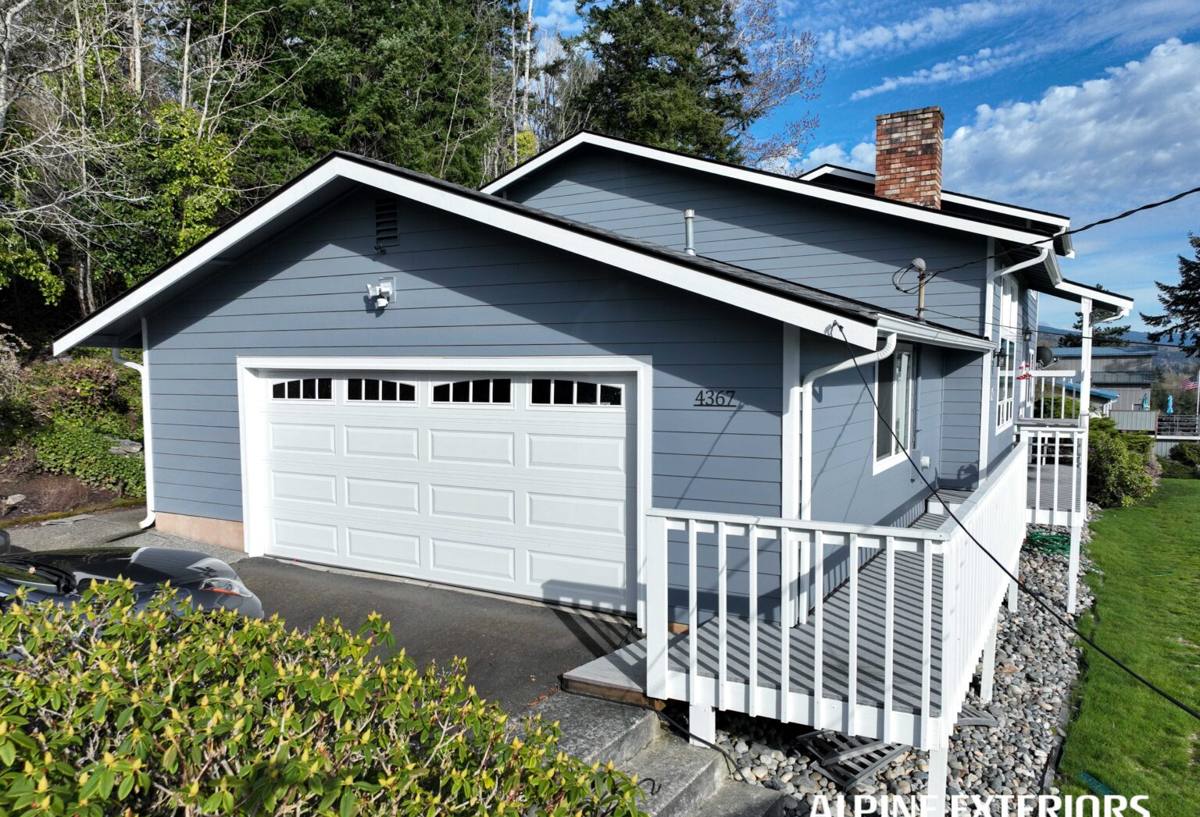
What Bellingham's Climate Actually Does to a Roof
Salt Air
Proximity to the Bay means airborne salt settles on roofing materials and, more importantly, on exposed metal fasteners, flashing, and vents. Standard galvanized fasteners and lower-grade flashing corrode faster here than they would twenty miles inland. That corrosion is slow and invisible until a nail head lets go or a flashing seam starts to leak.
Driving Rain
Rain in this part of Whatcom County rarely falls straight down — wind pushes it sideways under shingle tabs, around chimney flashing, and into any gap in the underlayment. A roof that would perform fine in a calmer climate can leak here simply because the wind is doing the work water normally can't do on its own.
Moss Season
Shaded, north-facing, and low-slope sections of roof in Columbia can stay damp for weeks at a stretch during fall and winter. That's exactly the environment moss needs. Moss holds moisture against the roofing surface, lifts shingle edges as it grows, and shortens the usable life of a roof faster than sun exposure or wind ever will on their own.
Signs a Columbia Home Needs a New Roof, Not Another Repair
Roof repairs make sense for isolated damage. A full replacement makes sense once the roofing system as a whole is past the point where patching buys you much time. Signs worth taking seriously:
- Granules collecting in gutters or at downspout outlets in noticeable amounts
- Shingles that are cupping, curling at the edges, or cracking when you look closely
- Moss coverage across a large section of the roof rather than a small patch
- Daylight visible through the roof deck from inside the attic
- Soft or spongy spots when walked on, indicating a compromised deck underneath
- Repeated leaks in different spots after previous patch repairs
- A roof that is already at or past the manufacturer's expected service life for its material
- Rusted or failing flashing around chimneys, skylights, and roof-to-wall transitions
If you're only seeing one or two of these and the roof is otherwise sound, a targeted repair is usually the more honest recommendation — we'll tell you that on the estimate if it's true.
What a Correct New Roof Installation Involves
Full Tear-Off and Deck Inspection
We remove the existing roofing down to the deck rather than layering over old material. That's the only way to actually see the condition of the sheathing underneath, replace any rotted or delaminated sections, and confirm the deck is solid enough to fasten a new roof to properly. Skipping this step is how hidden rot gets sealed under a brand-new roof and discovered years later as a much bigger repair.
Underlayment Built for Wind-Driven Rain
Given how much of Columbia's roof damage traces back to sideways rain rather than straight-down rain, underlayment choice and installation matter more here than in drier climates. We use synthetic underlayment across the full roof and self-adhering ice-and-water membrane at the vulnerable points — eaves, valleys, and roof penetrations — where wind-driven water is most likely to find a way in.
Flashing That Won't Corrode from Salt Exposure
Flashing around chimneys, skylights, vent pipes, and roof-to-wall intersections gets fitted and sealed with corrosion-resistant materials and fasteners appropriate for a salt-air environment. This is one of the areas where cutting corners doesn't show up as a problem for a year or two — then it shows up as a leak that's expensive to trace.
Ventilation That Fights Moss and Moisture
A roof that breathes properly dries out faster after Bellingham's long wet stretches, which directly slows moss growth and reduces the moisture load on the deck and rafters. We check and correct intake and exhaust ventilation as part of every new roof rather than treating it as an optional upgrade.
Roofing Material Options for Whatcom County Homes
There's no single "best" roofing material for every Columbia home — the right choice depends on your roof's slope, sun/shade exposure, budget, and how long you plan to stay in the home. Here's an honest comparison of the main options we install:
| Material | Typical Lifespan | Moss/Moisture Resistance | Salt Air Durability | Relative Cost |
|---|---|---|---|---|
| Architectural asphalt shingle | 25–30 years | Good with proper ventilation and periodic cleaning | Good with corrosion-resistant fasteners | $ |
| 3-tab asphalt shingle | 15–20 years | Fair — more prone to curling and moss lift over time | Fair | $ |
| Standing seam metal | 40–50+ years | Excellent — sheds moss and moisture better than any shingle | Excellent with coated fasteners and panels | $$$ |
| Composite/synthetic shingle | 30–50 years | Very good | Good | $$–$$$ |
Architectural shingles remain the most common choice for Columbia homes because they balance upfront cost with solid performance against local conditions, provided the underlayment and ventilation are done right. Metal roofing costs more up front but makes sense for homeowners planning to stay long-term or dealing with heavily shaded, moss-prone roof sections.
Our Installation Process
- Free on-site inspection — we look at the current roof, attic ventilation, and any problem areas before recommending anything
- Written estimate — material options, scope of work, and a straightforward price, with no pressure to decide on the spot
- Scheduling — we plan around weather windows, since a proper tear-off needs a dry stretch to protect your home's interior
- Tear-off and deck repair — old roofing removed, deck inspected, any damaged sheathing replaced
- Underlayment, flashing, and ventilation installed — the parts of the job that determine whether the roof actually holds up here
- New roofing material installed to manufacturer specifications and local code
- Full site cleanup, including a magnetic sweep for stray nails and debris removal
- Final walkthrough so you can see the finished work and ask questions before we consider the job done
Why Hiring a Crew That Already Works in Columbia Matters
Roofing crews that primarily work drier, calmer climates don't always default to the underlayment coverage, flashing details, or fastener choices that a salt-air, high-rain, high-moss environment actually needs — not because they're careless, but because it's simply not what their usual jobs require. A crew that regularly works Bellingham and Whatcom County roofs already knows which details matter here and doesn't need to be told to upgrade them. That familiarity also means faster, more accurate estimates, because we've seen how roofs in this specific area age and fail, and we know what a correct fix actually costs before we're standing on your roof.
There's also a practical side to hiring locally: warranty support, follow-up questions, and any post-installation service are far easier when the crew that installed your roof is a short drive away rather than working out of another region.
Maintenance That Extends the Life of a New Roof
A correctly installed roof still benefits from basic upkeep in this climate. We recommend:
- Gutter cleaning at least twice a year to prevent water backing up under roof edges
- Periodic moss treatment or gentle removal on shaded or north-facing sections
- Trimming back overhanging branches that keep sections of roof shaded and damp
- A visual check after major windstorms for lifted shingles or displaced flashing
- Attic ventilation checks every few years to confirm airflow hasn't been blocked by insulation or debris
If your Columbia home's roof is showing its age or you're just weighing repair versus replacement, we're glad to take a look and give you a straight answer. Fill out the form below for a free, no-pressure estimate — we'll tell you what the roof actually needs, not what's easiest to sell.