 Bellingham Siding
 Why York Homes Need Siding That's Built for This Climate
The York neighborhood sits close enough to Bellingham Bay that salt-laden air is a real factor in how exterior materials age, and far enough into the Pacific Northwest's wet-season pattern that driving rain off the water is a near-constant test of whatever is on your walls. Add in the mature tree canopy that shades so many York lots, and you get long stretches of the year where siding simply doesn't dry out fast. That combination — salt air, wind-driven rain, and shade-fed moisture — is exactly the environment where the wrong siding choice shows its weaknesses first.
Homes in this part of Bellingham range from older, established houses to newer infill construction, but the exterior challenge is the same across the board: whatever goes on the wall has to shed water fast, resist moisture intrusion at every seam and penetration, and hold up to a moss and mildew season that can run eight months or longer in a shaded yard. We install fiber cement siding in York because it's the material best equipped to handle that combination without constant upkeep from the homeowner.
The York Microclimate Factor
Tree cover changes everything about how siding performs. A wall that gets afternoon sun dries out between rain events; a wall that stays in shade under mature conifers or big-leaf maples can stay damp for days after a storm passes. Many York lots have exactly that kind of tree coverage, which means moss, algae, and mildew get a longer runway to establish themselves on north- and east-facing walls. Siding material choice, panel spacing, and finish quality all matter more here than they would on an open, sun-exposed lot across town.
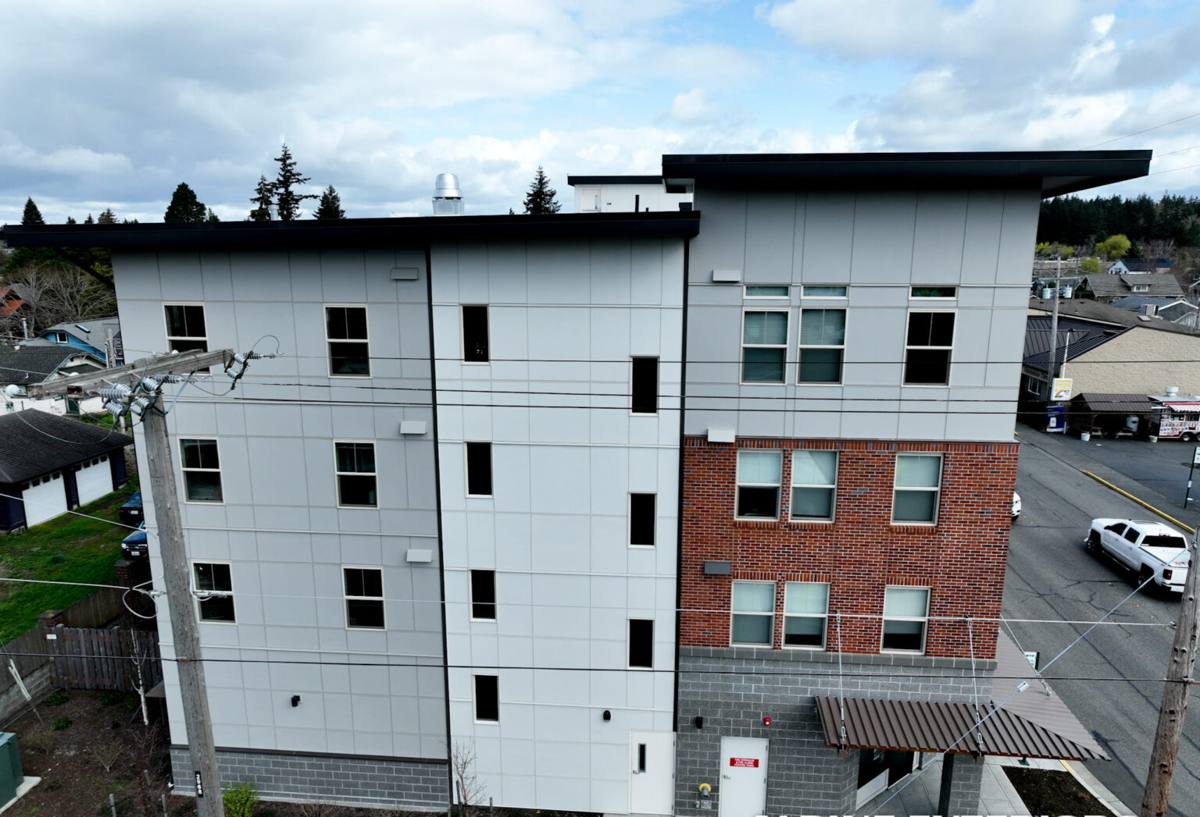
What a Correct Fiber Cement Installation Actually Involves
Fiber cement siding is only as good as the installation behind it. The material itself resists moisture, insects, and fire, but a poorly detailed install can still let water behind the panels — and once water gets trapped behind fiber cement in a shaded, salt-air climate like York's, it doesn't evaporate quickly. Getting the details right up front is what separates siding that lasts thirty-plus years from siding that causes problems in five.
Moisture Management Details
Every correct fiber cement job starts with a weather-resistive barrier installed and lapped properly behind the panels, not just tacked up as an afterthought. Where the siding meets windows, doors, and roof lines, flashing has to be integrated so water is directed out and away from the wall assembly rather than trapped against it. Kick-out flashing at roof-to-wall intersections is a small detail that gets skipped constantly on other jobs, and it's one of the most common causes of hidden rot damage in wet Western Washington climates. We also maintain proper clearance between the bottom of the siding and grade, decks, and roof surfaces — a gap that's easy to shortcut but critical for keeping splash-back moisture off the panel edges.
ColorPlus Factory Finish vs. Field Paint
James Hardie's ColorPlus finish is baked on at the factory under controlled conditions, which gives it more consistent coverage and better fade resistance than siding painted on site after installation. In a climate with this much annual rainfall, a factory finish also means fewer exposed cut edges and touch-up seams for water to work into over time. Field-painted fiber cement can look identical on install day, but the long-term performance gap shows up years later in fading, chalking, and peeling that a factory finish is engineered to resist.
Why We Install James Hardie and Nothing Else
We standardized on James Hardie fiber cement products because they're engineered specifically for climates like ours. Hardie's HZ5 product line is formulated for the wetter, more moderate climate zones that include Western Washington — different from the HZ10 formulation built for freeze-thaw regions further inland. That climate-specific engineering matters: it affects how the panel handles moisture cycling and how well the finish holds up over decades of Pacific Northwest weather.
What That Standardization Means for You
Because we only work with one manufacturer's system, our crews aren't switching between different fastening patterns, trim details, or manufacturer specs from one job to the next. Every York project gets the same disciplined approach: correct nail placement, correct panel gaps, correct flashing integration, all installed to the standard that keeps James Hardie's transferable warranty intact. That warranty only holds up if installation follows the manufacturer's requirements exactly — which is one more reason we don't mix and match products or installation methods across jobs.
Fiber Cement vs. Other Siding Options for This Climate
Homeowners in York often ask how fiber cement stacks up against the other materials they see around Bellingham. Here's an honest comparison based on how each material actually performs in a salt-air, high-moisture, moss-prone environment:
| Factor | James Hardie Fiber Cement | Vinyl Siding | Wood / Primed Spruce |
|---|---|---|---|
| Moisture resistance | Engineered non-combustible material, holds shape and finish when wet | Won't rot, but can warp and gap with temperature swings | Absorbs moisture; prone to rot without diligent maintenance |
| Moss and mildew resistance | Factory finish resists staining and supports easy cleaning | Textured surface can trap grime and organic growth | Porous surface is highly susceptible in shaded areas |
| Salt air durability | Stable performance near coastal/bay air | Can become brittle over time with UV and salt exposure | Finish breaks down faster; repainting cycle shortens |
| Maintenance burden | Occasional washing; repainting not required for decades | Low maintenance but limited repair options if damaged | Regular repainting/sealing required, often every 3-7 years |
| Fire resistance | Non-combustible material | Can melt or deform under heat exposure | Combustible |
This isn't about any of these products being "bad" — vinyl and wood both have legitimate uses. It's about what holds up with the least maintenance burden in York's specific combination of salt air, rain, and shade, and that's consistently where fiber cement wins.
Our Process for York Siding Projects
A siding replacement in an established Bellingham neighborhood needs a process that respects the existing structure, the landscaping, and the realities of working around mature trees and tighter lots. Here's how we approach it:
- On-site assessment of existing siding, sheathing, and any signs of moisture damage behind the current wall system
- Written scope covering panel profile, trim details, color selection, and flashing plan specific to your home's exposure
- Careful removal of old siding with inspection of the sheathing underneath before anything new goes up
- Installation of weather-resistive barrier, flashing, and fiber cement panels to manufacturer specification
- Final walkthrough and inspection before the job is considered complete
Because we work regularly in this part of Whatcom County, we already know what to expect from York's mix of older framing and newer construction, and we plan around the tree cover and drainage patterns that are common on these lots rather than treating every job like a blank slate.
Maintaining Fiber Cement Siding Through a Long Moss Season
Fiber cement dramatically reduces the maintenance burden compared to wood siding, but "low maintenance" doesn't mean "no maintenance," especially under York's tree cover. A little seasonal attention goes a long way toward protecting your investment:
- Rinse siding with a garden hose (not a pressure washer aimed directly at seams) once or twice a year, more often on shaded, moss-prone walls
- Trim back tree branches and shrubs that keep siding in constant shade or trap moisture against the wall
- Check caulking around windows, doors, and trim annually and re-caulk any cracked or separated joints
- Look for early moss or algae growth on north-facing walls and address it before it spreads across the panel surface
- Keep gutters clear so overflow doesn't run directly down the siding face during heavy rain
None of this requires repainting or resealing the way wood siding does — it's the kind of light upkeep that keeps a factory-finished Hardie install looking right for decades rather than restoring performance that's already been lost.
Why Hiring a Crew That Already Works in York Matters
Siding performance depends heavily on installation quality, and installation quality depends on a crew that understands the specific conditions of the neighborhood they're working in. A contractor who mostly works drier, sun-exposed sites elsewhere in Whatcom County may not think as carefully about kick-out flashing on a shaded roofline or drainage planning around mature root systems — details that matter more in York's climate than they would somewhere with less rain and more sun exposure. Local, repeat experience in this specific microclimate is what keeps those details from becoming afterthoughts.
What Influences Your Project Cost
Every York home is different, so costs vary based on a handful of consistent factors: the size and complexity of the home's exterior (dormers, gables, and multiple stories add labor time), the condition of the sheathing underneath the existing siding, trim and accessory choices, and the specific Hardie panel profile and color selected. We provide a written, itemized estimate before any work begins so you know exactly what you're paying for and why — no vague allowances or surprise change orders.
If your York home's siding is showing its age or you're planning ahead for a project, we're happy to walk the property, answer your questions honestly, and put together a written estimate with no pressure to move forward. Use the form below to get started.