 Bellingham Siding
 Window Replacement Built for Sehome's Climate
Sehome sits close enough to Bellingham Bay that salt-laden air, near-constant winter rain, and a long moss season are just part of owning a home here. Those conditions don't just wear on roofs and siding — they work on window frames, seals, and glazing year-round. A window that performs fine in a drier inland climate can fail early here if it wasn't installed with Whatcom County's weather in mind.
We work on homes throughout Sehome and the surrounding Bellingham neighborhoods, and the window failures we see are consistent: swollen or rotted wood sashes, clouded double-pane glass from failed seals, vinyl frames that have gone brittle and warped, and sills that have quietly been taking on water for years before anyone notices from the inside. Replacing windows correctly here means addressing why the old ones failed, not just swapping in new glass in the same opening.
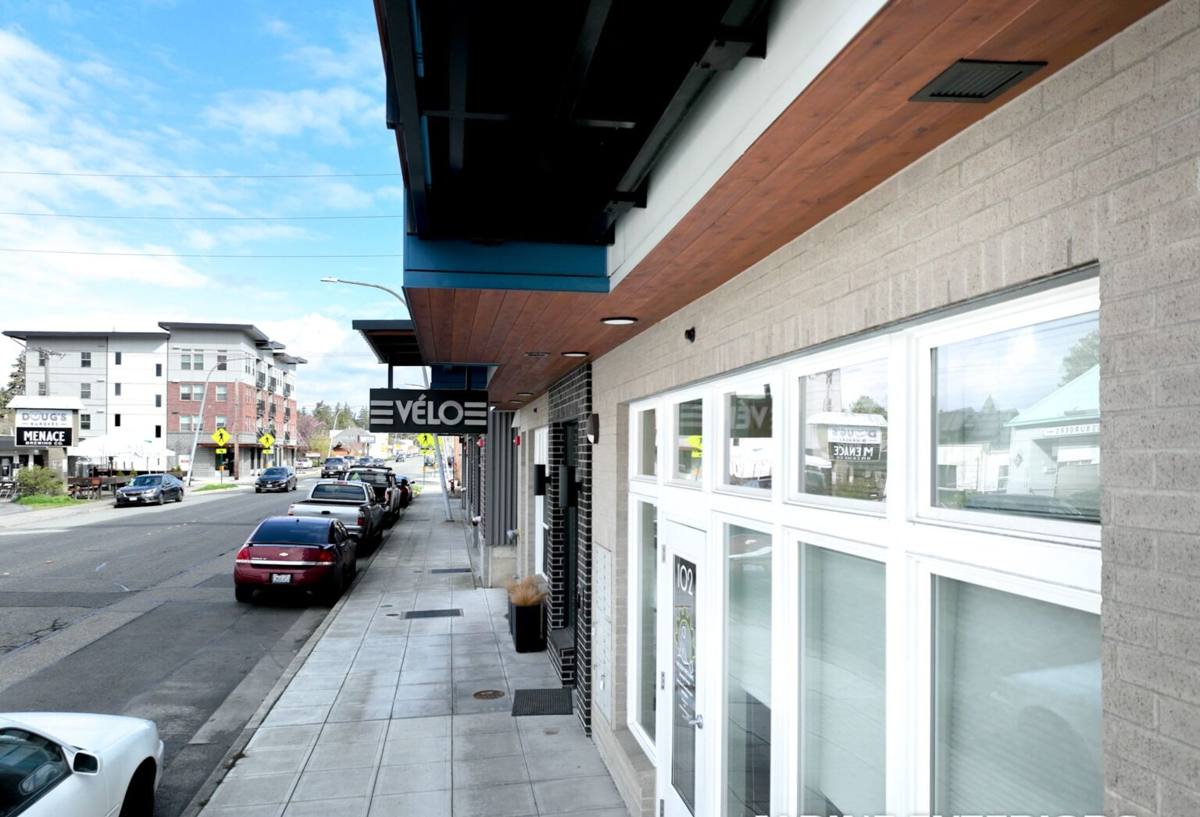
What Bellingham's Weather Actually Does to Windows
It helps to understand the specific mechanisms at work, because they shape how a replacement should be done.
Driving rain and wind-driven moisture
Storms off the Sound and the Strait of Georgia don't just fall straight down — wind pushes rain sideways into window openings, especially on west- and south-facing walls. Flashing and sealant details that would be adequate in a calmer climate can let water track behind the frame here, where it stays wet long enough to rot wood framing and sheathing.
Salt air and hardware corrosion
Homes closer to the bay deal with airborne salt that accelerates corrosion on window hardware, screws, and metal flashing. Cheaper fasteners and hardware corrode faster, which is one reason we don't cut corners on the materials that go behind the trim where nobody sees them.
Moss, mildew, and constant dampness
Bellingham's moss season isn't limited to roofs — it grows on north-facing sills, in window tracks, and in any spot that stays damp and shaded for months at a time. Moss and mildew hold moisture against wood and finish surfaces, which is part of why unfinished or poorly sealed wood trim tends to fail faster here than in drier parts of the state.
Condensation from temperature swings
Cool, humid Pacific Northwest air combined with heated interiors leads to condensation on window glass and, in older single-pane or failed double-pane units, inside the wall cavity itself. Persistent condensation on interior sills is often the first visible sign that a window's insulating performance has dropped.
What a Correct Window Replacement Job Involves
Swapping glass into an existing opening is the easy part. The work that actually determines whether a window lasts is mostly invisible once the job is done.
- Removing the old window and inspecting the rough opening, sill, and surrounding framing for rot or moisture damage before anything new goes in
- Repairing or rebuilding any damaged framing rather than installing a new window over a compromised opening
- Installing proper flashing and a sloped sill pan so any water that gets past the exterior finish drains back outside instead of pooling
- Sealing and insulating the gap between the window frame and the rough opening — done wrong, this is a common source of drafts and hidden moisture
- Setting the window level, square, and plumb so sashes operate smoothly and weatherstripping seals correctly for years
- Finishing exterior trim and caulking with materials suited to constant damp exposure, not just a bead of generic caulk
Skipping any one of these steps can leave a window that looks fine for a season or two before drafts, fogging, or water stains show up.
Full-Frame Replacement vs. Insert (Pocket) Replacement
One of the first decisions on any project is whether the existing frame stays or goes. Both approaches are legitimate — the right call depends on the condition of what's already there.
| Factor | Insert (Pocket) Replacement | Full-Frame Replacement |
|---|---|---|
| What it involves | New window fits inside the existing frame; old frame stays in the wall | Old frame is removed down to the rough opening; everything is new |
| Best for | Frames that are still structurally sound and dry | Frames showing rot, water staining, or soft wood |
| Access to flashing/sill | Limited — you're trusting what's already behind the old frame | Full access to inspect and correct flashing, sill, and framing |
| Typical cost | Generally lower | Generally higher, due to more labor and materials |
| Long-term risk in this climate | Hidden rot behind the frame can go unaddressed | Lowest risk — problems are found and fixed, not covered up |
Given how much moisture Whatcom County homes deal with, we don't recommend an insert replacement without first confirming the existing frame and sill are actually dry and sound. Covering up a wet frame just delays a bigger repair.
Choosing the Right Window Material for a Sehome Home
Frame material matters more here than in a mild, dry climate. We generally steer homeowners toward vinyl or fiberglass frames for most applications, and we're upfront about why we don't push painted wood or bare wood-clad units as a default choice in this climate.
| Frame Type | Moisture Behavior | Maintenance | Notes for This Climate |
|---|---|---|---|
| Vinyl | Doesn't absorb water or rot | Low — occasional cleaning | Reliable, budget-friendly default for most Sehome homes |
| Fiberglass | Very stable, minimal expansion/contraction | Low | Strong choice for larger windows or higher-end projects |
| Aluminum | Doesn't rot, but conducts cold and can condense | Moderate | Less common as a whole-window choice in this climate |
| Wood / wood-clad | Attractive but vulnerable if finish is neglected | High — needs regular refinishing | Only recommended where upkeep is realistic and expected |
Wood windows aren't a bad product — they're a maintenance commitment. In a climate with this much sustained dampness and moss growth, a wood sill or sash that isn't refinished on schedule will fail faster than it would somewhere drier. We'll install wood-clad windows when a homeowner wants the look and understands the upkeep, but we won't sell it as low-maintenance, because it isn't here.
Signs a Sehome Home Needs Window Replacement
- Visible fog or moisture trapped between panes of double-pane glass — the seal has failed
- Windows that are difficult to open, close, or lock, or that no longer sit flush
- Noticeable drafts near the window frame, especially during winter storms
- Soft, discolored, or crumbling wood on the sill, jamb, or exterior trim
- Moss or persistent black mildew staining around the frame that keeps returning
- A jump in heating costs without any other obvious cause
- Condensation forming on interior glass or sills through much of the winter
Our Process, Start to Finish
- Walkthrough and assessment — we look at every window being considered, not just the ones that are obviously failing, and check for hidden moisture damage while we're there
- Straightforward estimate — options broken down by material and replacement type (insert vs. full-frame), with the trade-offs explained plainly
- Scheduling around the weather — we plan install windows to minimize how long any opening is exposed, which matters more here than in drier climates
- Removal and inspection — old units come out and we check framing and sills before anything new goes in
- Installation — proper flashing, sill pan, insulation, and sealing, not just setting a new window into the old hole
- Finish work and cleanup — interior and exterior trim finished, job site cleaned up, and a walkthrough so you know how the new windows operate and what to expect
Cost Factors to Expect
| Factor | Why It Affects Price |
|---|---|
| Insert vs. full-frame replacement | Full-frame involves more labor and material to rebuild the opening correctly |
| Frame material | Vinyl is typically the most affordable; fiberglass and wood-clad cost more |
| Window size and style | Larger units, custom shapes, or operable styles like casements cost more than standard double-hung windows |
| Existing damage | Rotted framing or sheathing found during removal adds repair time before the new window can go in |
| Number of windows | Doing multiple windows in one visit is generally more cost-efficient than one-off jobs |
| Glazing package | Double vs. triple pane, and any upgraded coatings, affect both cost and long-term energy performance |
We give real numbers during the estimate, based on your specific windows and home — not a quote pulled from a generic price list that doesn't account for what Bellingham's climate has actually done to your existing openings.
Why It Matters to Hire a Crew That Already Works in Sehome
A lot of window problems in this area trace back to installation decisions made for a different climate — flashing details, sealant choices, or frame materials that would hold up fine somewhere with less rain and salt exposure but don't last here. A crew that regularly works in Sehome and the rest of Bellingham has already seen how the local weather exposes those shortcuts, and builds the job around avoiding them from the start.
There's also a practical side to working locally: we're not driving in from out of the area to handle a callback, and we're familiar with the mix of older and newer housing stock in this part of town, which means fewer surprises once we open up a wall around an existing window.
If you're dealing with drafty, foggy, or hard-to-operate windows — or you just want an honest read on whether repair or replacement makes more sense for your home — we're happy to take a look. Estimates are free, and there's no pressure to move forward until you're ready.