 Bellingham Siding
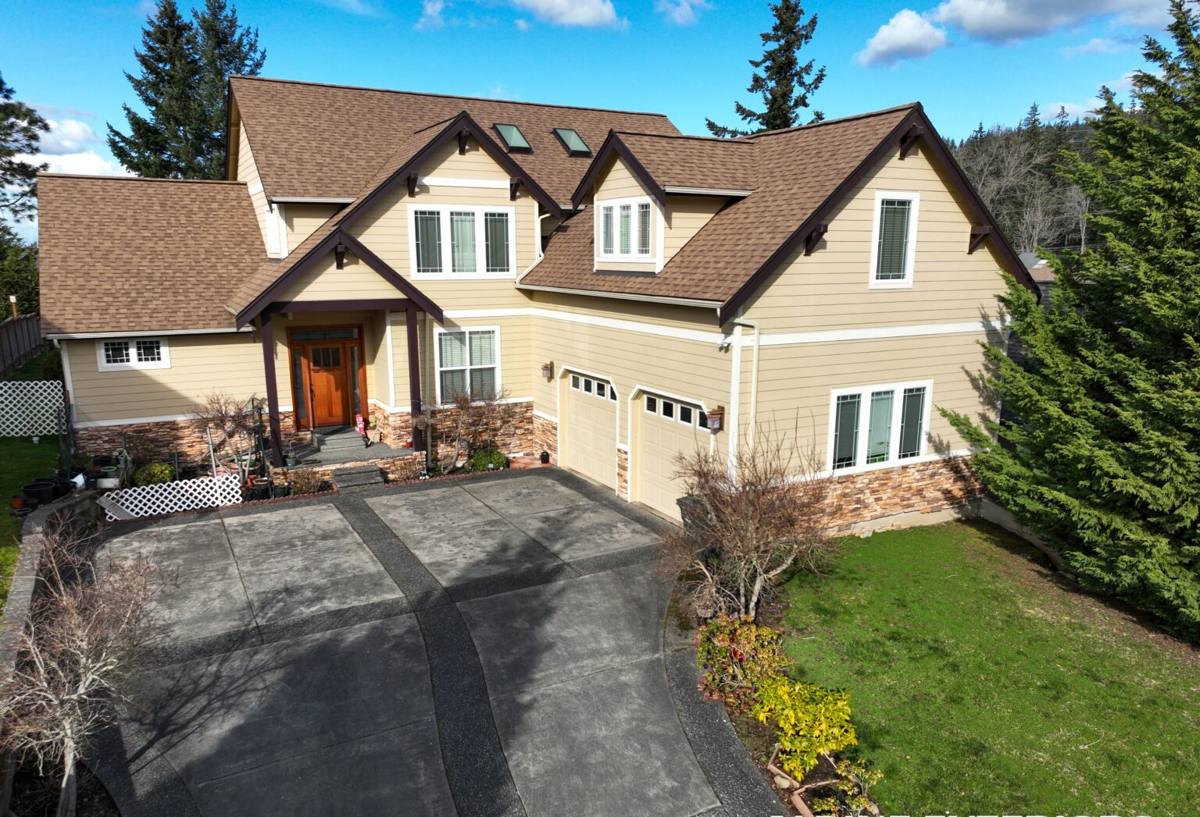
 New Roof Installation Built for Cordata's Climate
Cordata sits in north Bellingham, close enough to Bellingham Bay and the Salish Sea that homes here deal with the same marine climate that defines all of Whatcom County: long wet winters, driving rain that comes in sideways during fall storms, salt-tinged air off the water, and a moss season that can run eight months or longer on shaded or north-facing roof slopes. A roof in this neighborhood isn't just protecting a house from rain — it's fighting a slow, steady battle against moisture intrusion, organic growth, and the freeze-thaw cycles that show up every winter even though Bellingham rarely sees deep snow.
A correctly installed new roof accounts for all of that from the start. That means the right underlayment for wind-driven rain, ventilation that actually moves moist air out of the attic before it condenses, and material choices that hold up to moss and algae rather than feeding it. Cutting corners on any of these shows up as a leak, a rotted deck, or a roof that needs moss treatment every single year instead of every few.
Signs a Cordata Home Needs a New Roof, Not Another Repair
Roof repairs make sense when the problem is isolated — a cracked pipe boot, a few lifted shingles after a windstorm, a flashing detail that was never sealed right. A full new roof installation is the honest recommendation when the underlying material is at or past its service life, or when repairs are starting to happen in different spots every year.
- Shingles that are cupping, curling, or losing their granules in patches, especially on south- and west-facing slopes that get the most sun and weather
- Moss that keeps returning within a season or two of being cleaned, which usually means it has already worked under the shingle edges
- Soft or spongy spots on the roof deck, felt underfoot from the attic or noticeable when walked on
- Daylight visible through the roof deck from inside the attic, or water staining on rafters and sheathing
- A roof original to the house that's now 20-30 years old, depending on the material
- Rising energy bills tied to poor attic ventilation or insulation that a re-roof would let you correct
Why Moss Matters More Here Than Elsewhere
Moss isn't just cosmetic. In a climate as consistently damp as Bellingham's, moss holds moisture directly against the shingle surface long after the rest of the roof has dried out. Over a few seasons that constant moisture accelerates granule loss, works its way under shingle tabs, and can lift them enough for wind-driven rain to get underneath. A roof that's shedding moss every year on its own, without treatment, is usually a roof with a moisture problem underneath it, not just on top of it.
What a Correct New Roof Installation Actually Involves
"New roof" covers a lot of ground, and the difference between a roof that lasts its full rated life and one that fails early almost always comes down to what happens under the visible shingle layer.
Full Tear-Off, Not Overlay
We remove the existing roofing down to the deck rather than layering new shingles over old ones. An overlay hides deck problems, traps moisture between layers, and voids most manufacturer warranties. Tear-off is the only way to actually inspect the deck and fix what's underneath.
Deck Inspection and Repair
Once the old material is off, we check the sheathing for soft spots, delamination, and rot — common wherever a slow leak has been running unnoticed. Any compromised sections get replaced before anything new goes down. Skipping this step is the single most common reason a "new" roof leaks within a few years.
Underlayment Suited to Driving Rain
Standard felt underlayment is fine in dry climates. In a place where wind pushes rain up and under the shingle line, a synthetic or self-adhered underlayment along eaves, valleys, and vulnerable transitions is the right call, not an upsell. Ice-and-water shield at eaves and valleys matters here more for wind-driven rain protection than for ice dams.
Flashing at Every Transition
Chimneys, skylights, sidewalls, and roof-to-wall transitions fail more often than open field shingles do. New step flashing, counter-flashing, and properly lapped valley metal — not just caulk over old flashing — is part of doing this correctly.
Ventilation That Matches the Attic
Balanced intake (soffit vents) and exhaust (ridge or roof vents) keep the attic close to outdoor temperature and humidity. Without it, moisture from daily living gets trapped in the attic, condenses on the underside of the deck, and rots it from the inside — a problem that has nothing to do with the roofing material itself.
Material Options for Cordata Homes
There's no single "best" roofing material — the right choice depends on budget, roof pitch, how much moss and shade the property deals with, and how long you plan to own the home. Here's how the common options compare for a Whatcom County home.
| Material | Typical Lifespan | Moss/Algae Resistance | Relative Cost |
|---|---|---|---|
| Standard 3-tab asphalt shingle | 15-20 years | Low without treated granules | $ |
| Architectural (dimensional) asphalt shingle | 25-30 years | Good with algae-resistant (AR) granules | $$ |
| Standing-seam metal | 40-50+ years | Excellent — sheds moss growth medium | $$$ |
| Composite/synthetic shake | 30-50 years | Good, varies by product | $$$ |
For most Cordata homes we recommend architectural asphalt shingles with algae-resistant granules as the baseline — they hold up well to the local moss pressure at a reasonable cost. Metal is worth considering on lower-slope sections or for homeowners planning to stay long-term, since it sheds moss buildup far better than any shingle. Manufacturers like GAF, CertainTeed, and Owens Corning all make AR-rated architectural lines that perform well in this climate; we'll walk through the specific product options and warranty terms during your estimate rather than push one brand as a default.
Our Installation Process, Step by Step
- On-site assessment: we inspect the current roof, attic ventilation, and any problem areas, and measure the roof for an accurate material estimate.
- Written estimate: a clear scope of work and price, including material choice, so there are no surprise add-ons once tear-off starts.
- Scheduling around the weather: we watch the forecast and plan tear-off days to avoid starting a section that can't be dried in before rain moves through.
- Tear-off and deck inspection: full removal of old material, deck repair where needed, and disposal of debris.
- Underlayment and flashing installation: synthetic or self-adhered underlayment, new flashing at every penetration and transition.
- Shingle or material installation: installed to manufacturer spec, including proper nailing pattern and exposure — details that affect wind rating and warranty validity.
- Ventilation tie-in: ridge and soffit venting connected and balanced for the attic's size.
- Final walkthrough and cleanup: magnetic sweep for nails, gutter check, and a walk-through of the finished roof with the homeowner.
Why a Crew That Already Works Cordata Matters
A new roof installation isn't just a materials question — it's a logistics and judgment question, and local experience shows up in both. A crew that regularly works this part of Bellingham knows how quickly a weather window can close in the fall and schedules tear-off accordingly, rather than leaving a deck exposed overnight and hoping. They know which slopes in this area tend to hold moss longest based on tree cover and sun exposure, and size the ventilation and material choice accordingly instead of using a one-size-fits-all spec.
There's also the practical side: permitting through the City of Bellingham or Whatcom County (depending on the property's exact location), navigating narrower lots or shared driveways common in newer Cordata developments, and coordinating dumpster placement and material staging without blocking neighbors. None of that is complicated, but it's the kind of thing that goes smoothly when a crew has already done it on this side of town and goes sideways when it hasn't.
Cost Factors Homeowners Should Understand
Every roof is priced individually after an on-site look, but the main variables that move the number are consistent:
| Factor | Why It Matters |
|---|---|
| Roof size and pitch | Steeper roofs take longer and require more safety setup, increasing labor cost. |
| Number of layers being removed | Tear-off of multiple old layers adds disposal and labor time. |
| Deck condition | Rotted sheathing found during tear-off adds material and labor not visible during the initial estimate. |
| Roof complexity | Valleys, dormers, skylights, and chimneys each add flashing work. |
| Material selected | Asphalt, metal, and composite materials carry different price points and labor requirements. |
| Ventilation upgrades | Adding or correcting soffit/ridge venting is worth doing during a re-roof rather than after. |
Maintaining a New Roof Through Moss Season
A well-installed roof still needs basic upkeep in a climate like this. A short annual routine goes a long way toward getting the full rated life out of the investment.
- Have moss and debris cleared from the roof surface and gutters at least once a year, ideally before the fall rains start
- Keep overhanging branches trimmed back to reduce shade and leaf litter on the roof
- Check attic ventilation isn't blocked by insulation piled against soffit vents
- Watch for granule buildup in gutters, which signals accelerated shingle wear
- Address any small flashing or sealant issues promptly rather than waiting for a leak to show up inside
Getting Started
If your Cordata home's roof is showing its age, keeps growing moss no matter what you do, or you're just trying to plan ahead before it becomes an emergency, we're happy to take a look and give you a straight answer about what it actually needs. Reach out for a free, no-pressure estimate using the form below.