 Bellingham Siding
 Deck Repair Built for Cordata's Wet Climate
Cordata sits in a part of Bellingham that gets the full Whatcom County weather cycle: long stretches of driving rain from fall through spring, damp air pushed in off the Salish Sea, and short summers that never quite dry everything out before the rain starts again. Decks here don't fail because homeowners neglect them. They fail because wood, fasteners, and even composite materials are under near-constant moisture pressure for eight or nine months of the year. A deck that would last two decades in a dry climate can show real problems in Cordata by year eight or ten if it wasn't built or maintained with that reality in mind.
We repair decks in this neighborhood regularly, and the damage patterns repeat: soft spots where water pools against ledger boards, moss creeping into shaded north-facing sections, rusted fasteners bleeding rust stains into the decking, and railings that have gone spongy at the post bases. None of this is unusual for the area. It's just what needs to be caught and fixed before it becomes a safety issue instead of a maintenance item.
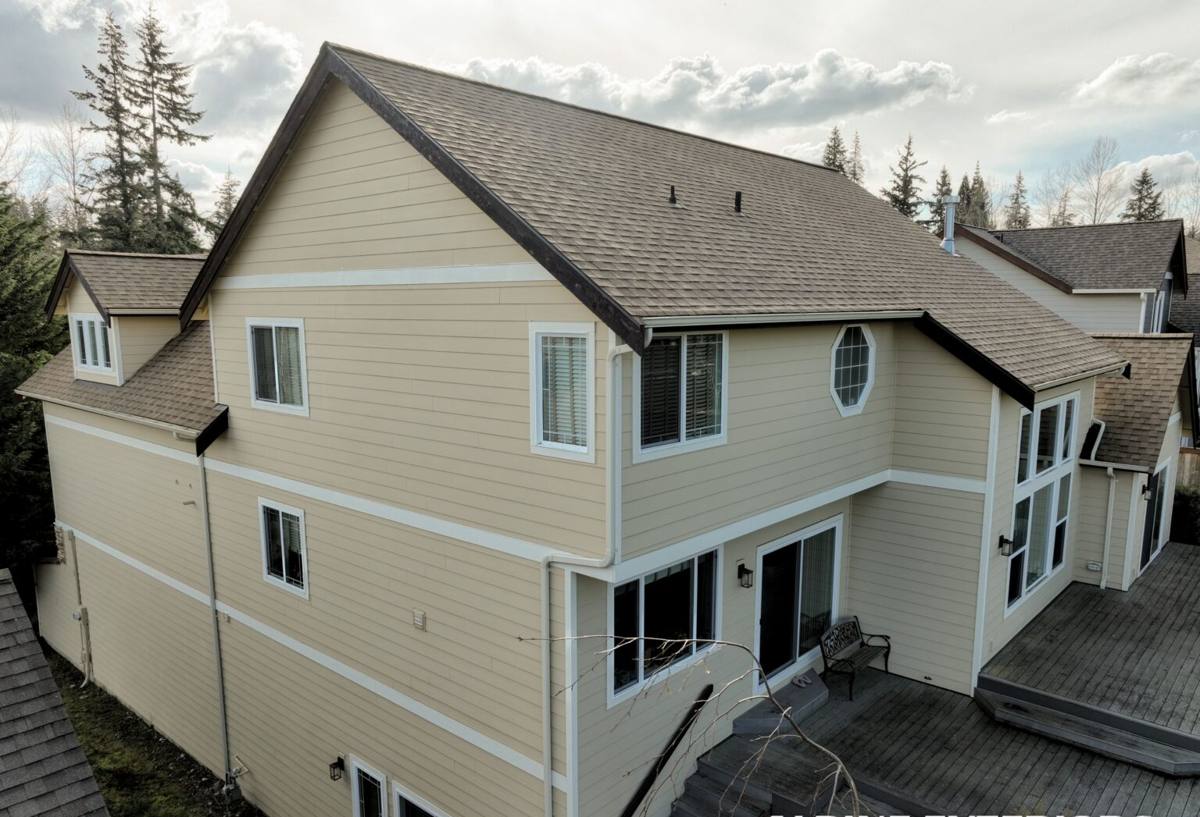
Signs a Cordata Deck Needs Repair
Most deck problems start small and stay hidden until someone steps on a soft board or notices a railing that flexes more than it should. Here's what we look for, and what you can check yourself before calling anyone.
- Boards that feel spongy, bounce underfoot, or show dark staining along the edges
- Green or black growth in shaded corners, between boards, or on the north side of the structure
- Gaps opening up between decking boards, or boards that have cupped or crowned
- Rust streaks running down from screws or nails, which usually means the fasteners are failing
- Railings or stair posts that wiggle when you push on them
- Soft or discolored wood where the deck ledger board meets the house
- A musty smell coming from underneath the deck, which often points to trapped moisture below the surface
Any one of these by itself might be minor. Several together, especially near the ledger board or support posts, usually means it's time for a closer look before the next wet season makes it worse.
The Ledger Board Is the Most Important Check
The ledger board, where the deck attaches to the house, is the single most common failure point we see on repair calls in this area. It's also the least visible, tucked behind flashing and decking, which is exactly why it's dangerous when it fails. Water that gets behind poorly flashed ledger boards can rot the framing for years without any visible sign on top of the deck. We always check this connection first on any repair visit, because a deck can look fine on the surface and still have a structural problem underneath.
What a Correct Repair Actually Involves
A lot of deck "repairs" are cosmetic patches: pressure washing, a coat of stain, replacing an obviously broken board. Those things have their place, but they don't fix the underlying moisture problems that caused the damage in the first place. A repair that's actually going to hold up through another Bellingham winter needs to address the cause, not just the symptom.
Structural Repairs
This covers anything load-bearing: ledger board reattachment and flashing, support post replacement, joist sistering or replacement where rot has set in, and railing post repairs. These aren't optional upgrades. If the framing underneath is compromised, resurfacing the top of the deck just hides the problem.
Moisture Management
Proper flashing at the ledger board, gaps between boards for drainage, and clearing debris from under the deck all matter more here than in drier climates. We pay close attention to water paths — where rain lands, where it should drain, and where it's actually pooling instead.
Cosmetic and Wear Repairs
Board replacement, sanding, re-staining or sealing, and fastener upgrades. These matter for appearance and for slowing the next round of moisture damage, but they come after the structural and drainage issues are handled, not instead of them.
How Common Deck Materials Hold Up in This Climate
What your deck is built from changes both how it fails and what repair looks like. Here's a general comparison based on what we see on repair calls around Bellingham and Whatcom County.
| Material | Common Failure Point Here | Repair Considerations |
|---|---|---|
| Pressure-treated pine/fir | Rot at ledger board, fastener corrosion, moss on shaded boards | Individual boards often replaceable; framing needs inspection for rot before resurfacing |
| Cedar | Graying, splitting, softening at ground contact points | Sands and refinishes well if caught early; structural rot repair similar to pine |
| Composite decking | Moisture wicking at cut edges, mold on the underside, fastener pull-through | Boards usually need full replacement rather than patching; check manufacturer warranty terms first |
| Older or DIY-built decks | Undersized or improperly flashed ledger connections | Often the most work-intensive repairs; framing may need partial rebuild for safety |
None of these materials are wrong choices. Each has trade-offs in a climate like ours, and each needs a different repair approach. We tell homeowners honestly what we're seeing and why, rather than pushing a full replacement when a targeted repair will hold up fine.
Repair vs. Replace: What Actually Drives the Decision
Homeowners in Cordata often ask whether it's worth repairing an older deck or just starting over. The honest answer depends on a few specific factors, not the age of the deck alone.
| Factor | Leans Toward Repair | Leans Toward Replacement |
|---|---|---|
| Framing condition | Posts and joists are solid, only surface boards affected | Rot has reached multiple structural members |
| Ledger board | Properly flashed, minor issues only | Chronic leaking or rot at the house connection |
| Extent of damage | Localized to a few boards or one section | Damage spread across most of the deck surface |
| Age and material | Under 15 years, quality lumber or composite | Original build was undersized or poorly detailed from the start |
| Your plans for the home | Staying long-term, want to preserve the deck's footprint | Planning a larger remodel or different layout anyway |
We'll give you a straight answer on which side of that line your deck falls on. There's no benefit to us in talking you into a full replacement when a repair will genuinely last — and no benefit in patching something that's going to need the same fix again in two years.
Our Repair Process
- Inspection — We check the ledger board connection, support posts, joists, railings, and decking surface, including underneath the deck where visible.
- Written assessment — You get a clear breakdown of what's structural, what's cosmetic, and what can wait versus what shouldn't.
- Repair plan — We scope the actual work needed: specific boards, connections, or framing members, not a blanket "resurface everything" quote.
- The work — Structural fixes first, then drainage and flashing corrections, then surface repairs and finishing.
- Follow-up guidance — Simple maintenance notes specific to your deck's material and exposure, so you know what to watch for going into the next wet season.
Moss and Mildew: A Year-Round Concern Here
Bellingham's moss season is long, and Cordata's mix of tree cover and shaded yards means many decks stay damp longer than decks in more open, sun-exposed parts of the county. Moss isn't just unsightly — it holds moisture against the wood surface, which accelerates rot underneath it. Left alone through a few wet seasons, a mossy deck surface can turn a cosmetic issue into a structural one.
Regular removal, keeping surrounding vegetation trimmed back for airflow, and making sure boards have proper drainage gaps all help. On decks with heavy, established moss, we sometimes recommend a full clean and reseal as part of the repair rather than trying to spot-treat around it, since moss tends to come back fast in shaded, damp sections if the underlying moisture problem isn't addressed.
Why It Matters That We Already Work in This Neighborhood
A crew that repairs decks across Whatcom County sees the same climate patterns repeat: which ledger connections tend to fail first, how moss behaves on shaded lots, which materials hold up and which need more frequent attention. That's not something you learn from a general contracting background — it comes from doing this specific work, in this specific climate, over and over.
Being familiar with Cordata also means we're not guessing at typical lot layouts, drainage patterns, or the kind of tree cover that shapes how a deck ages here. That local pattern recognition speeds up the inspection and helps us give you an accurate assessment on the first visit instead of a rough guess.
A Quick Checklist Before You Call
- Walk the deck and note any soft or bouncy spots
- Check for moss or dark staining, especially on shaded sides
- Look at fasteners for rust streaking
- Push on railings and stair posts to check for movement
- Peek under the deck if accessible, and note any musty smell
- Check where the deck meets the house for staining or gaps in flashing
If you find one or two of these, it's worth a look before the next rainy stretch. If you find several, especially near the house connection, don't wait — that's the kind of damage that gets more expensive the longer it sits.
Get a Straight Answer on Your Deck
We offer free, no-pressure estimates for deck repair in Cordata and the surrounding Bellingham area. We'll tell you honestly whether you're looking at a repair or a replacement, what's driving the damage, and what it'll take to fix it right. Fill out the form below and we'll get back to you to schedule a visit.