 Bellingham Siding
 Windows Built for a Silver Beach Winter, Not Just a Silver Beach Sale
Silver Beach is one of those Bellingham neighborhoods where the house looks fine from the street and the windows tell a different story once you're standing next to them. Sashes that stick in July and won't seal in December. Fogged glass between the panes. A draft along the bottom rail that shows up the moment the wind picks up off the water. None of that is unusual for homes in this part of Whatcom County — it's what happens to windows that were never really built for our climate, or that were installed correctly twenty-five years ago and have simply reached the end of their service life.
We replace windows for homeowners throughout Bellingham, and Silver Beach is a neighborhood we know well — the mix of housing stock, the exposure patterns, the way certain streets catch more wind and moisture than others just a few blocks away. This page is about what window replacement actually looks like when it's done right for a home in this specific area, not a generic rundown of window types.
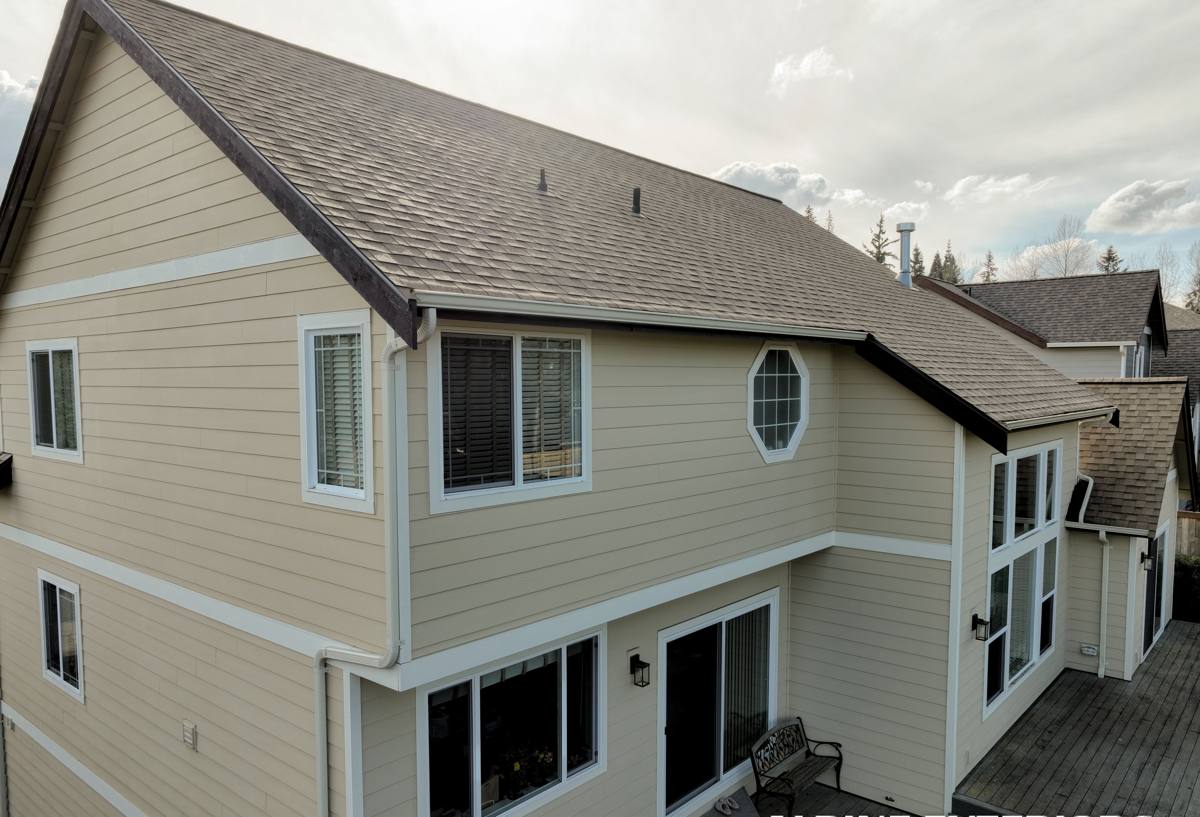
Why Local Climate Changes the Window Conversation
Whatcom County's marine climate is mild compared to most of the country, but "mild" is doing a lot of work in that sentence. Salt-laden air off the water, long stretches of driving rain, and a moss season that can run most of the year all put steady, cumulative stress on window systems — especially at the frame, the sill, and the seal between the sash and the frame. It's rarely one dramatic storm that causes trouble. It's years of moisture finding the same weak point, over and over, until wood softens, seals fail, or hardware corrodes.
A window that performs fine in a drier inland climate can underperform here within a decade if the materials or the installation weren't matched to what this area actually throws at a house. That's the gap we're trying to close — not by upselling the most expensive product on the shelf, but by matching the window and the installation detail to the exposure the home actually has.
What Salt Air Does Over Time
Salt-bearing moisture in the air accelerates corrosion on exposed metal hardware — hinges, balances, cranks, and fasteners — faster than it would inland. It also tends to find its way into any gap in the frame sealant and stay there, since coastal air rarely dries out completely for long. Windows facing open exposure toward the water generally show wear sooner than windows on a sheltered side of the same house.
What Driving Rain Does
Wind-driven rain doesn't just fall on a window — it gets pushed sideways and upward into any gap that isn't properly flashed and sealed. This is where a lot of window failures actually start: not with bad glass, but with water finding its way behind the trim or under the sill because the flashing detail was skipped or done wrong the first time.
What a Long Moss Season Means for Trim and Sills
Moss and algae thrive in the shaded, damp conditions common around Bellingham for much of the year. On window sills, trim, and exterior casing, that growth holds moisture against the wood or cladding far longer than open sun-exposed surfaces would ever see. Over time that constant dampness softens wood trim, degrades paint and caulk lines, and creates the kind of slow rot that's often worse than it looks from the ground.
Signs a Silver Beach Home Needs Window Replacement
- Visible fog, haze, or moisture trapped between panes of double-pane glass — the seal has failed and it won't clear on its own
- Windows that are difficult to open, close, or lock, especially if this changed gradually over a few years
- Drafts you can feel near the frame on a windy day, even with the window fully closed and latched
- Soft, spongy, or visibly rotted wood at the sill, jamb, or exterior trim
- Paint that keeps failing on the same window's trim no matter how often it's touched up
- A noticeable jump in heating costs without any other change in the home
- Condensation forming on the inside of the glass regularly during cooler months
- Visible gaps between the window frame and the siding or trim around it
What Correct Window Replacement Actually Involves
Window replacement gets treated as a simple swap sometimes, and that's exactly how problems get built into a house for the next twenty years. The window itself is only part of the job. What happens around it — the flashing, the sealant, the sill pan, the way water is directed away from the opening — matters just as much, especially given how much moisture Whatcom County homes deal with.
Our General Process
- Assessment: We look at each window opening individually, not just the whole house at once. Exposure, existing damage, framing condition, and how the opening was originally flashed all factor into the plan.
- Removal: The old window comes out carefully so we can inspect the framing and sill underneath — this is often where hidden moisture damage shows up.
- Repair as needed: Any soft or rotted framing gets addressed before a new window goes in. Installing a new window over compromised framing just hides a problem instead of solving it.
- Sill pan and flashing: Proper drainage and flashing details are installed so any water that reaches the opening has a way out, rather than a place to collect.
- Installation: The new window is set, leveled, shimmed, and fastened according to manufacturer specification, then sealed with materials suited to our climate.
- Interior and exterior finish: Trim, caulking, and touch-up work are completed so the opening is fully weathertight and looks finished, inside and out.
- Final check: We test operation — opening, closing, locking — and walk the exterior seal before calling the job done.
Choosing Window Materials for This Climate
There's no single "best" window material for every home — the right choice depends on the home's exposure, the homeowner's maintenance preferences, and budget. Here's how the common options generally compare for a coastal Whatcom County home.
| Material | Moisture Performance | Maintenance | Typical Lifespan |
|---|---|---|---|
| Vinyl | Good — won't rot, handles moisture well | Low | 20-30+ years |
| Fiberglass | Very good — stable in wet/dry cycling | Low | 30-40+ years |
| Aluminum-clad wood | Good exterior protection, wood interior needs care | Moderate | 20-30 years |
| Solid wood | Requires diligent upkeep in high-moisture areas | High | Varies widely with maintenance |
We don't push one material as universally superior. Solid wood windows, for example, can look excellent and perform well for a long time — but they demand consistent maintenance to hold up against the kind of sustained moisture exposure common here, and that's a real trade-off homeowners should go in understanding, not one we gloss over. For most Silver Beach homes without a dedicated maintenance routine, vinyl or fiberglass tends to hold up with less ongoing work, which is why we recommend them more often — not because the alternatives are bad products, but because they better match how most people actually want to live with their windows.
Cost Factors Homeowners Should Understand
Window replacement pricing varies a lot from house to house, and anyone who quotes a firm number before seeing the home isn't giving you a real estimate. What actually moves the price:
| Factor | Why It Matters |
|---|---|
| Window size and type | Larger openings, custom shapes, and specialty operating styles cost more than standard sizes |
| Number of windows | Per-window cost typically drops somewhat on larger multi-window jobs |
| Framing condition | Hidden rot or damage found during removal adds repair scope |
| Material choice | Vinyl, fiberglass, and clad-wood options carry different material costs |
| Exposure and flashing complexity | Openings with heavier weather exposure may need more involved flashing detail |
| Access | Second-story or hard-to-reach windows can add labor time |
We'd rather walk the actual home and give an honest range than quote a number over the phone that won't hold up once we're standing in front of the windows.
Why a Crew That Knows Silver Beach Matters
A window installer who mostly works drier inland markets can do competent work and still miss details that matter here — the sill pan detail that keeps wind-driven rain out, the sealant that actually holds up to sustained damp exposure, the flashing sequence that accounts for how water moves on a coastal-influenced home. None of that is exotic knowledge, but it's the difference between an installation that looks right on day one and one that's still performing right in year fifteen.
Working regularly in Bellingham neighborhoods like Silver Beach means we've seen how houses in this specific area age, what typically fails first, and which details are worth the extra attention. That's not a marketing line — it's just what happens when a crew works the same region consistently instead of treating every job as a one-off.
Maintaining New Windows in a Wet Climate
- Clean debris and moss out of window tracks and weep holes a couple times a year so water can drain as designed
- Check exterior caulking annually and touch up any cracked or separated sealant before it lets moisture in
- Wipe down interior sills periodically, especially in colder months when condensation is more common
- Keep gutters and downspouts clear so roof runoff isn't sheeting down over window openings
- Trim back vegetation that keeps window trim shaded and damp for extended periods
New windows reduce a lot of the moisture-related risk older windows carry, but no window is entirely maintenance-free in this climate. A little seasonal attention goes a long way toward getting the full lifespan out of the investment.
Let's Take a Look at Your Windows
If your Silver Beach home has windows that are drafty, sticking, fogged, or just past their prime, we're happy to come take an honest look and walk you through what we're seeing — no pressure, no upsell script. Use the form below to request a free estimate, and we'll get back to you to schedule a time that works.