 Bellingham Siding
 Roofing in Puget Takes More Than a Standard Install
Puget sits close enough to the water and deep enough into Whatcom County's marine weather pattern that a roof here works harder than the spec sheet assumes. Salt-laden air off the Sound accelerates corrosion on fasteners and flashing, driving rain finds its way under shingles that aren't lapped and sealed correctly, and a long, wet moss season keeps organic growth active on north-facing slopes for most of the year. A roof that would hold up fine in a drier inland climate can start showing problems here in half the time if it wasn't built for these conditions from the start.
This page is about one job, done right, in one place: asphalt shingle roofing for homes in and around Puget. We're not going to sell you on every roofing material available — we're going to walk through what actually matters when you're putting shingles on a roof that has to survive Bellingham's wet season year after year.
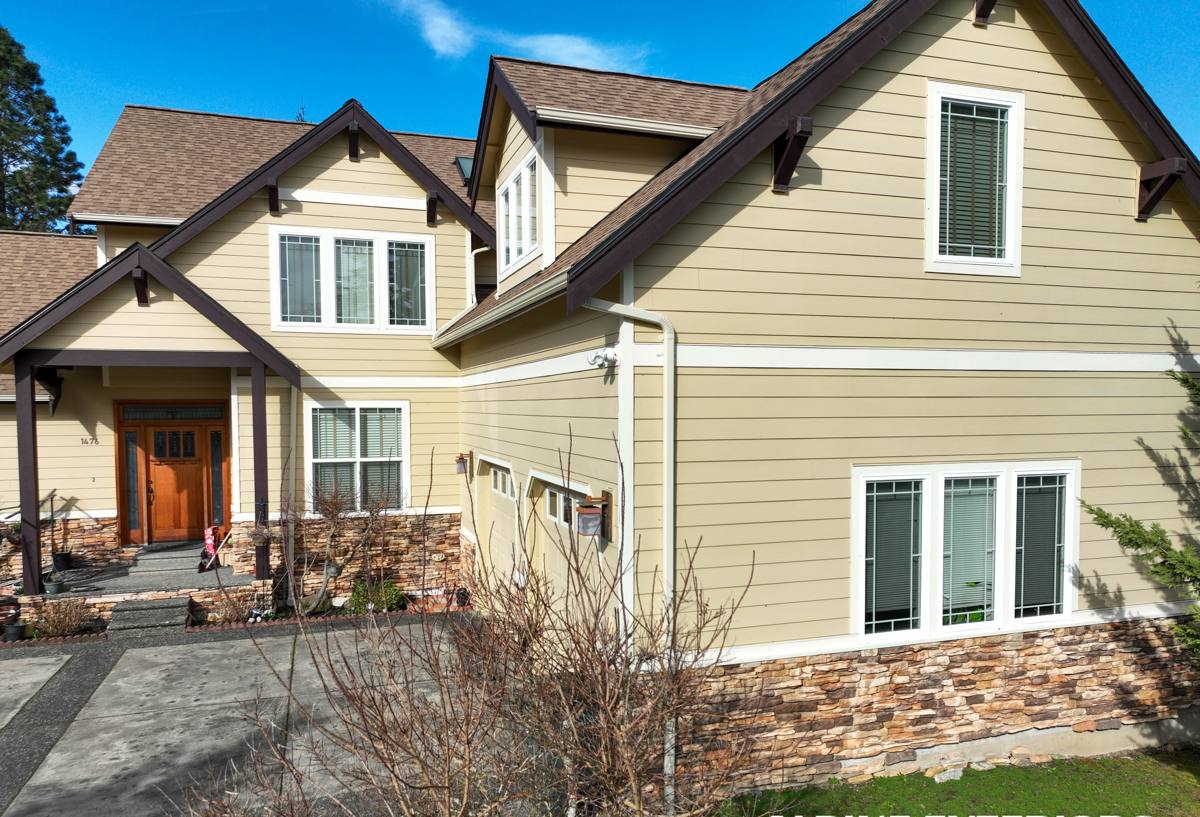
What Salt Air, Rain, and Moss Actually Do to a Roof
Each of these three factors stresses a roof differently, and understanding the mechanism helps explain why certain shortcuts fail here faster than they would elsewhere.
Salt Air and Corrosion
Homes closer to the water pick up airborne salt that settles on exposed metal — nail heads, drip edge, flashing, and vent caps. Over years, that accelerates rust on lower-grade fasteners and thin-gauge flashing. It's not dramatic, but it's steady, and it's the kind of wear that shows up as a leak at a valley or chimney flashing long after the shingles themselves still look fine.
Driving Rain
Bellingham doesn't just get rain — it gets wind-driven rain that comes in at an angle instead of falling straight down. That matters because it can push water sideways under shingle tabs, into fastener holes, and along valleys and roof-to-wall transitions where standard flashing details aren't enough. A roof built for a calmer climate, with minimal underlayment and loose flashing tolerances, will eventually leak in these conditions even if every individual shingle is intact.
Moss and Algae
Shaded, north-facing, and low-slope sections of roof in this part of Whatcom County stay damp for long stretches, especially through fall and winter. Moss doesn't just look bad — its root structure lifts shingle edges and holds moisture against the roof deck, which shortens the life of the shingle and, eventually, the plywood underneath it. Left unaddressed for a few seasons, a moss problem stops being cosmetic and starts being structural.
Choosing an Asphalt Shingle That Fits This Climate
Not every asphalt shingle product is built the same way, and in a climate like this, the differences matter more than they would in a drier region. The table below breaks down the common tiers of asphalt shingle you'll be choosing between.
| Shingle Type | Typical Lifespan | Wind Rating | Best Fit for Puget |
|---|---|---|---|
| 3-Tab (economy) | 15-20 years | Lower | Budget-driven jobs; more prone to lifting under driving rain and wind over time |
| Architectural / Dimensional | 25-30+ years | Higher | Our standard recommendation locally — thicker profile sheds water better and resists wind uplift |
| Algae-Resistant (AR) Architectural | 25-30+ years | Higher | Copper- or zinc-infused granules slow moss and algae growth on shaded slopes |
| Premium / Designer | 30+ years | Highest | Best for exposed, high-wind, or high-visibility roofs where longevity and appearance both matter |
For most homes in Puget, we lean toward algae-resistant architectural shingles. The upfront cost difference over a basic 3-tab is modest compared to the total job cost, and the payoff — slower moss growth, better wind performance, a heavier profile that handles driving rain better — is exactly matched to the problems this climate actually causes. We'll walk you through the real options for your roof rather than pushing one product line.
What a Correctly Installed Roof Actually Includes
The shingles themselves get most of the attention, but they're only one layer of a system. A roof that fails prematurely in this climate almost always fails because one of these other components was skipped, undersized, or installed carelessly — not because the shingles themselves were defective.
Underlayment
Synthetic underlayment goes down over the entire deck as the roof's backup water barrier. In driving-rain conditions, this layer is what keeps a small shingle gap or wind-lifted tab from becoming an active leak.
Ice and Water Shield
Self-adhering membrane at eaves, valleys, and roof penetrations gives extra protection exactly where water concentrates and where wind-driven rain is most likely to work its way underneath the shingle layer.
Flashing
Step flashing at walls, valley flashing, and flashing around chimneys and vents needs to be correctly lapped and, given the salt air in this area, ideally a corrosion-resistant metal rather than the thinnest option available. Flashing failures are one of the most common causes of roof leaks that have nothing to do with the shingles themselves.
Fasteners
Proper nail placement, count, and depth matter for wind resistance — and in a marine climate, using fasteners rated to resist corrosion protects against the slow rust-driven failures that show up years down the road.
Ventilation
An underventilated attic traps moisture, which shortens shingle life from underneath and contributes to premature deck rot — a problem that compounds in a climate this wet. We check intake and exhaust ventilation as part of every roofing job, not as an upsell.
Ventilation and Moisture Control Matter as Much as the Shingles
It's worth calling this out on its own because it's the piece homeowners are least likely to think about when they're picking out shingle color. A roof deck that's trapping heat and moisture from below will age faster no matter how good the shingles on top of it are. In Bellingham's climate, where the outside air is already damp for much of the year, poor attic ventilation is one of the more common hidden causes of a roof that "should have lasted longer" not lasting as long as it should have. Balanced intake at the eaves and exhaust at the ridge lets the roof deck dry out between wet spells instead of staying saturated.
Our Process for a Puget Re-Roof
Every roof is different, but the sequence we follow doesn't change, because each step protects the one after it.
- On-site inspection of the existing roof, deck condition, ventilation, and any moss or moisture damage
- Written estimate that spells out shingle type, underlayment, flashing, and any deck repair allowance
- Full tear-off of old roofing material — we don't install new shingles over old ones
- Deck inspection once the old roofing is off, with any soft or damaged plywood replaced before anything goes back down
- Ice and water shield at eaves, valleys, and penetrations, followed by synthetic underlayment across the full deck
- New flashing at walls, valleys, chimneys, and vents
- Shingle installation to manufacturer spec for nailing pattern and exposure
- Ventilation check and correction where intake or exhaust is inadequate
- Full site cleanup, including a magnetic sweep for stray nails
- Final walkthrough so you can see the finished roof and ask questions before we consider the job done
Living With a Moss-Prone Climate
Even a well-installed, algae-resistant shingle roof benefits from some routine attention in this climate. A gutter that's clogged with needles and debris holds water against the lower edge of the roof and gives moss an easy place to start. A light moss treatment on shaded slopes every year or two keeps growth from establishing a foothold. None of this is complicated or expensive, but it's the kind of upkeep that makes the difference between a roof that reaches its full expected lifespan and one that starts needing repairs early because moss and standing moisture were left alone for too long.
What Roofing Work in Puget Typically Costs
Every roof is priced individually after an on-site look, but the factors below are what actually move the number up or down. We'll walk through each of these with you before you commit to anything.
| Cost Factor | Why It Matters |
|---|---|
| Roof size and number of squares | The single biggest driver of material and labor cost |
| Roof pitch and complexity | Steep or cut-up roofs with multiple valleys take longer and require more safety setup |
| Number of existing layers | Tear-off of multiple old layers adds labor and disposal cost |
| Deck condition | Rotted or soft plywood found during tear-off needs replacement before shingles go down |
| Shingle tier selected | Basic 3-tab versus architectural or algae-resistant product changes material cost per square |
| Ventilation or flashing upgrades | Correcting inadequate intake/exhaust or replacing old flashing adds scope but prevents future leaks |
We give straightforward, itemized estimates — no inflated "worst case" numbers meant to be negotiated down, and no lowball quote that leaves out flashing, ventilation, or deck repair and then grows once the tear-off starts.
Why a Crew That Already Works in Puget Makes a Difference
A roofing crew that works this part of Whatcom County regularly already knows how driving rain behaves on a north-facing valley, how fast moss establishes on a shaded slope near the water, and which flashing details hold up against salt air over years rather than months. That's not something you get from a crew that's used to a drier, calmer climate installing the same way everywhere they go. It shows up in the small decisions — how much ice and water shield to use, how flashing gets lapped, which shingle tier actually makes sense for a given roof's exposure — that don't appear on an estimate line item but determine whether the roof is still performing well in fifteen years.
If you're weighing a repair against a full replacement, or you just want an honest read on the condition of your current roof, we're happy to take a look and give you a straightforward assessment — no pressure, no inflated urgency. Reach out for a free estimate and we'll walk your roof with you and explain exactly what we see.