 Bellingham Siding
 Windows in Happy Valley Take a Different Kind of Beating
Happy Valley sits close enough to Bellingham Bay and the surrounding waterways that homes here deal with a specific combination of weather stress: salt-tinged air moving in off the water, long stretches of wind-driven rain, and the deep shade and moisture that keep moss and mildew active for most of the year. None of that is dramatic on any given day, but it adds up. A window that would last three decades in a dry inland climate can start failing in half that time here if it wasn't built, flashed, or sealed correctly for this environment.
This page is about window replacement specifically for Happy Valley homes — not a general overview of windows everywhere. The climate factors below shape almost every decision, from frame material to how we detail the flashing, and they're the reason a crew with local experience makes a real difference.
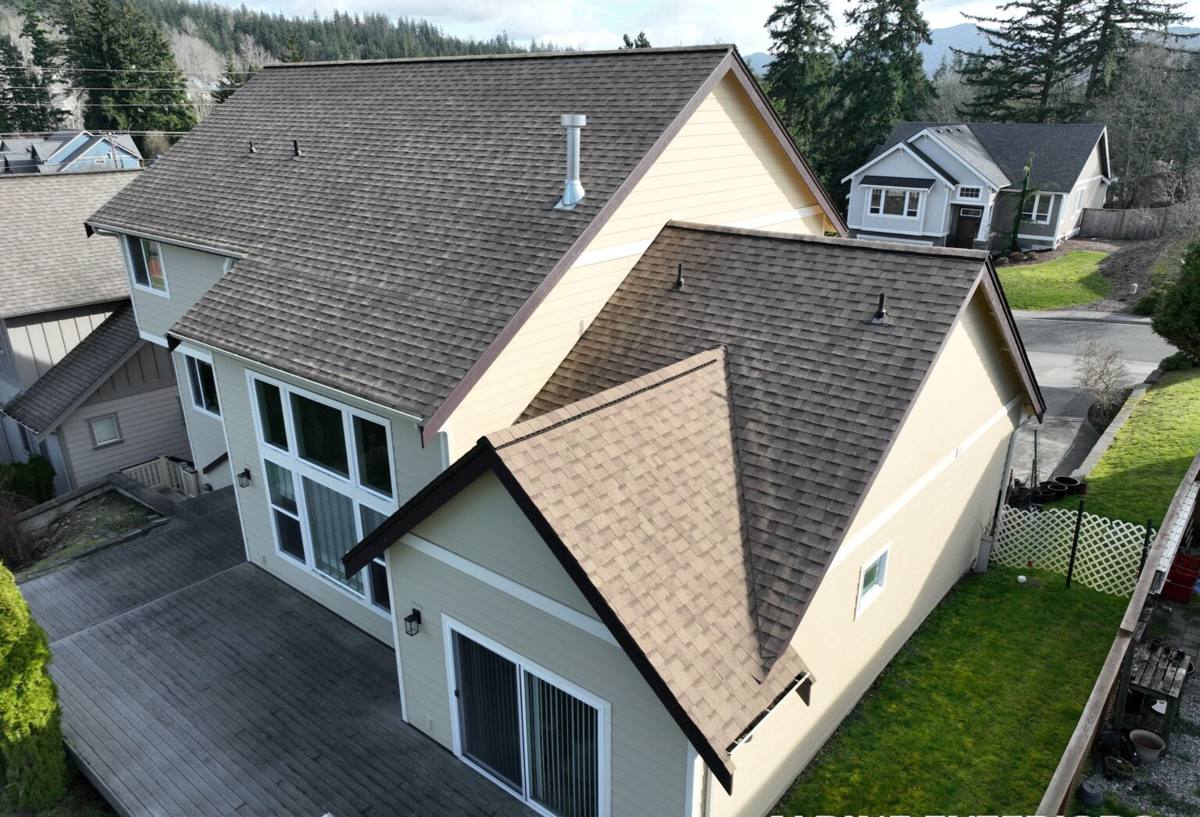
What Salt Air, Driving Rain, and Moss Season Actually Do to a Window
Salt-laden air and hardware
Even a few miles inland, the air here carries enough salt to accelerate corrosion on unprotected metal. Window hardware — hinges, balances, locks, and screen frames — is often the first thing to show it. Once corrosion sets in, hardware binds, locks stop seating properly, and the seal around the sash weakens even if the glass and frame still look fine. This is why hardware quality and finish matter as much as the frame material itself in this area.
Wind-driven rain and flashing
Bellingham gets a lot of rain, but the more damaging pattern for windows is driving rain pushed sideways by wind off the bay. That kind of weather finds any gap in flashing or sealant that a straight-down rain never would. Water doesn't need a hole to get in — it needs a path, and driving rain is very good at finding one around a poorly flashed window head or sill.
Moss, shade, and constant moisture
Homes with mature trees, north-facing walls, or covered porches hold moisture longer, which means moss and algae get a longer season to establish themselves on sills, trim, and cladding around window openings. Beyond the cosmetic issue, moss holds water against wood trim and sheathing, which is exactly the kind of sustained dampness that leads to rot behind the window, not just around it.
Signs a Happy Valley Home Is Ready for Window Replacement
Most window failure is gradual, so homeowners often notice symptoms before they connect them to the window itself. Watch for:
- Condensation or fogging between double-pane glass — a sign the seal has failed and the insulating gas is gone
- Soft or discolored wood trim at the sill or corners, especially on walls that get less sun
- Windows that are hard to open, close, or lock, or that no longer sit flush in the frame
- Visible moss, black streaking, or persistent dampness on trim below or beside the window
- A noticeable draft or cold spot near the window even when it's fully closed
- Rising heating bills without any other clear cause
- Peeling paint or bubbling on interior or exterior trim near the window opening
Any one of these can be a minor fix. Several at once, especially on the same window, usually means the unit or its flashing has reached the end of its service life.
What a Correct Window Replacement Actually Involves
Window replacement done right is mostly about what happens before the new window ever goes in. This is where jobs are won or lost, especially in a climate that punishes shortcuts.
Careful removal
The old window and its surrounding trim come out without tearing into sheathing or siding that doesn't need to be disturbed. This is also the point where we get an honest look at the condition of the framing and sheathing behind the old unit — something that can't be assessed from outside.
Checking for hidden damage
Given how common moisture-related rot is around older or poorly flashed windows in this area, we check the framing, sill, and sheathing for soft spots or damage before installing anything new. Covering up existing rot with a new window is the single most common cause of repeat failures, and it's not something we do.
Flashing and the sill pan
A sloped sill pan and properly layered flashing at the sides and head are what actually keep wind-driven rain out — the window unit itself is only part of the water-management system. Flashing needs to be layered correctly (each piece overlapping the one below it) so water sheds down and out rather than getting trapped behind the trim.
Sealing and insulation
The gap between the window frame and the rough opening gets sealed and insulated properly, not just caulked shut on the outside. A gap that's filled but not properly sealed can trap moisture instead of blocking it.
Finish work, inside and out
Trim gets reinstalled or replaced, caulking joints get finished cleanly, and the window is checked for square, level, and proper operation before we call the job done.
Choosing a Frame Material for This Climate
There's no single "best" window material — the right choice depends on budget, the home's style, and how much maintenance an owner wants to take on. Here's how the common options hold up specifically against salt air, driving rain, and a long moss season:
| Frame Material | How It Handles This Climate | Maintenance |
|---|---|---|
| Vinyl | Doesn't corrode from salt air; handles moisture well; can flex slightly in temperature swings | Low — occasional cleaning |
| Fiberglass | Very stable in wet, salty air; resists warping and doesn't corrode | Low |
| Aluminum | Strong but prone to corrosion pitting over time in salt-air exposure unless well-finished | Moderate — watch for corrosion at hardware and joints |
| Wood | Excellent insulator but needs a sound exterior clad or consistent paint upkeep to resist rot and moss staining | High — regular inspection and refinishing |
| Wood-clad (wood interior, vinyl/aluminum exterior) | Combines wood's interior look with a weather-resistant exterior shell | Low to moderate |
For most Happy Valley homes, vinyl or fiberglass frames offer the best balance of weather resistance and low upkeep. Wood and wood-clad options remain a good fit where the look matters more and the owner is comfortable with the added maintenance.
Our Process, From Estimate to Final Walkthrough
- On-site assessment: We look at each window's current condition, the surrounding trim and framing, and how the home's exposure to wind, rain, and shade affects that specific opening.
- Honest recommendation: We tell you which windows genuinely need replacement, which can wait, and which just need a repair — not every window in a house needs to go at once.
- Written estimate: Clear pricing broken out by window, material, and any additional work (like sheathing repair) if we find damage during assessment.
- Removal and inspection: Old windows come out carefully, and we check the opening for hidden moisture damage before installing anything new.
- Installation with proper flashing: Sill pan, flashing, and sealing are done to shed water correctly for this climate, not just to pass a quick visual check.
- Finish work: Interior and exterior trim, caulking, and paint or stain as needed to match the rest of the home.
- Final walkthrough: We test every window's operation and check the finish work with you before considering the job complete.
Why Local Experience in Happy Valley Matters
A window that's correctly installed for a dry, low-wind climate can still fail here if it's not detailed for salt air and driving rain. Crews that mostly work inland or in milder microclimates sometimes underestimate how much flashing detail and hardware selection matter this close to the water. A crew that already works in Bellingham and Whatcom County has seen how these specific conditions age windows over time and builds the job around that reality — not a generic install checklist.
Local experience also means knowing which parts of a property are most exposed — a north wall shaded most of the day behaves very differently than a sun-exposed south wall a few feet away — and adjusting material and flashing choices accordingly rather than treating every window on the house the same.
What This Work Typically Costs
Window replacement pricing varies by window size, frame material, and how much additional repair work is needed once the old window is out. Rather than quote a single number, here are the factors that move the price up or down:
| Factor | Effect on Cost |
|---|---|
| Frame material (vinyl vs. wood vs. fiberglass) | Vinyl is typically the most budget-friendly; wood and wood-clad run higher |
| Window size and configuration | Larger units and specialty shapes (bays, arches) cost more than standard double-hung or slider sizes |
| Hidden rot or sheathing damage | Adds labor and material cost, but is far cheaper to fix now than after it spreads |
| Number of windows replaced at once | Doing multiple windows in one visit typically reduces the per-window cost |
| Trim and finish complexity | Custom trim profiles or paint-matching add time compared to standard trim |
Most homeowners find it more useful to get an on-site estimate than to rely on a broad price range, since the condition behind the old window often has more impact on final cost than the window itself.
If you're noticing drafts, fogged glass, sticking sashes, or moss buildup around your windows, it's worth having them looked at before the next round of driving rain finds a way in. We're happy to come take a look at your Happy Valley home and put together a free, no-pressure estimate — just fill out the form below.