 Bellingham Siding
 Ferndale's Weather Is Harder on Windows Than It Looks
Ferndale sits close enough to open water and farmland that its houses take a different kind of weather beating than homes tucked into a denser part of Bellingham. Salt-tinged air off the Strait, wind-driven rain that finds every weak seam in old flashing, and a moss season that seems to stretch across most of the year all work against window frames, seals, and sills. If your windows are more than fifteen or twenty years old, or were installed in a hurry the first time, you're probably already living with the results — fogged glass, swollen trim, a draft you can feel from across the room, or a sill that's started to soften.
Custom windows aren't just about appearance. In this part of Whatcom County, "custom" means built and installed to match your home's actual openings, orientation, and exposure to weather — not a stock size forced into a rough opening and caulked until it looks finished.
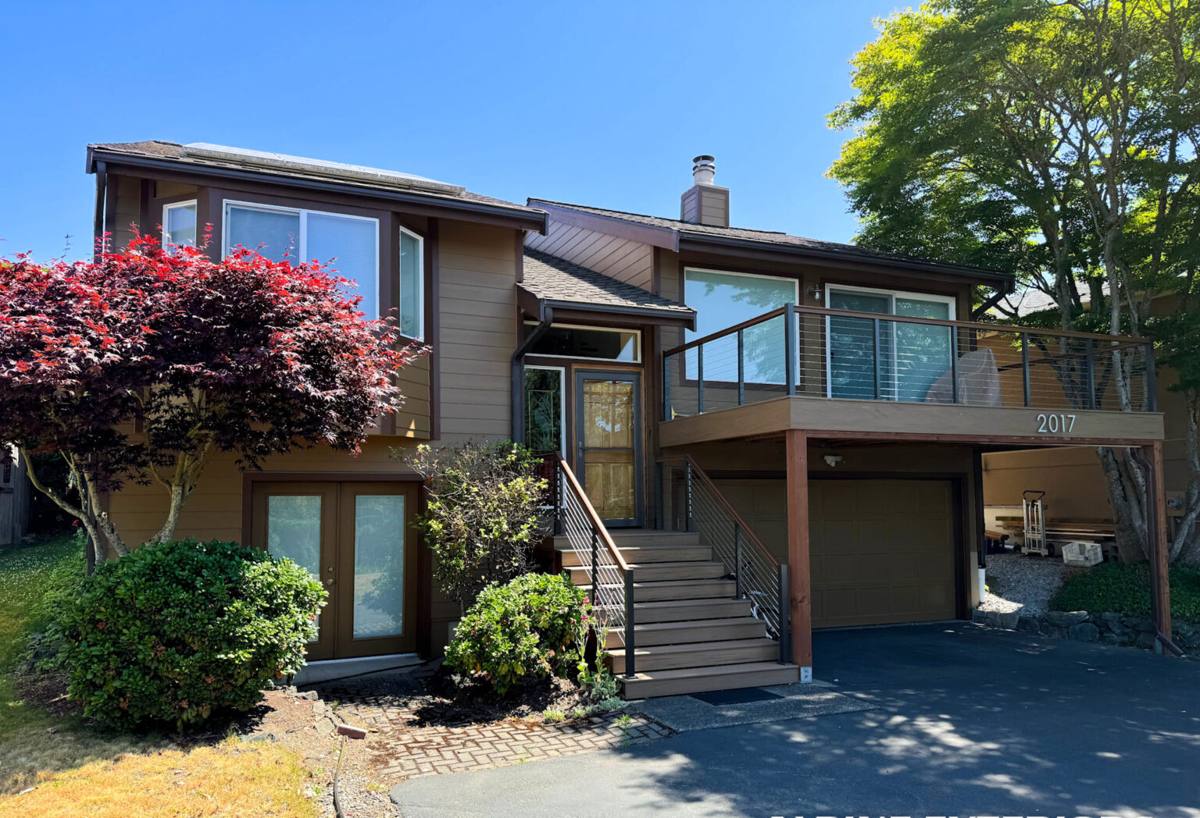
What "Custom" Actually Means for a Ferndale Home
Every Opening Gets Measured, Not Assumed
No two houses settle the same way. Framing shifts, siding gets added over the years, and original openings are rarely perfectly square by the time a window needs replacing. A correct custom window job starts with measuring each opening individually — width, height, diagonal, and level — rather than ordering a batch of same-size units and trimming the gaps with extra caulk. That difference shows up later as either a tight, weathertight seal or a window that whistles in a west wind.
Matching the Mix of Homes in the Area
Ferndale's housing stock runs from older farmhouses on larger lots to newer subdivision builds, with plenty of homes in between that have had additions, remodels, or replacement siding over the years. Older homes often have deeper wall cavities and original wood trim worth preserving; newer homes are more likely to have modern rough openings that just need a straightforward swap. A custom approach accounts for which situation you're actually in, instead of applying the same install method to every house on the street.
Frame Material: What Holds Up in This Climate and What Doesn't
Frame material has more to do with long-term performance here than most homeowners expect. Constant moisture and salt-laced air are hard on anything that isn't built to handle both.
| Material | Moisture Behavior | Maintenance | Typical Fit For |
|---|---|---|---|
| Vinyl | Doesn't rot or corrode; seams and welds matter more than the material itself | Low — occasional cleaning | Most replacement projects; budget-conscious upgrades |
| Fiberglass | Very stable in wet, temperature-swinging conditions; won't warp or swell | Low | Larger openings, exposed walls, long-term durability |
| Wood-clad | Interior wood needs protection from condensation and humidity indoors | Higher — finish upkeep over time | Homes prioritizing interior wood trim appearance |
| Aluminum | Conducts cold, prone to condensation in our damp winters | Moderate | Rarely our first recommendation for full-house replacement here |
We don't push one material on every house. What we won't do is install something we know will fight the local climate for the next fifteen years just because it's cheaper up front — we'd rather explain the trade-offs honestly and let you decide with real information.
Glass Packages Worth Paying For Out Here
Glass does more work than frame material in a lot of ways, especially for comfort and condensation control.
Double-Pane vs. Triple-Pane
Double-pane with a quality Low-E coating and argon gas fill is the standard upgrade for most Ferndale homes and performs well against our rain and wind. Triple-pane adds another layer of insulation and can help on north- or west-facing walls that take the brunt of storms coming off the water, but it adds weight and cost — it's worth discussing case by case rather than assuming it's always the better choice.
Condensation Resistance Matters More Here Than Elsewhere
Humidity indoors combined with cold, damp air outdoors is a recipe for interior condensation on older or poorly sealed windows. A properly sized Low-E coating and warm-edge spacer system cuts down on that fogging and the moisture damage to sills and trim that follows it. If your current windows sweat heavily every winter, that's a glass and seal issue worth fixing, not something to just wipe down all season.
The Installation Details That Actually Keep Water Out
A well-built window can still leak if it's installed wrong, and in a climate with this much driving rain, installation mistakes show up fast.
Where Leaks Actually Start
Most window leaks don't come from the window unit itself — they come from flashing and sealing details around it. Water that gets behind the siding at the top or sides of a window opening will find its way to the wall cavity if the flashing isn't lapped correctly, if house wrap isn't integrated properly, or if sealant is used as a substitute for proper flashing instead of a backup to it.
What a Correct Install Includes
- Sill pan flashing to direct any intruding water back out, not into the wall
- Housewrap and flashing tape integrated in the correct shingle-lap order
- Proper shimming so the window operates square without stressing the frame
- Insulation in the gap between frame and rough opening — not left empty, not overpacked
- Exterior sealant used as a final barrier, not the only barrier
- Interior air sealing to stop drafts and moisture movement from inside the house
Skip any one of these and the window can look fine for a year or two before a leak shows up as a stain, a soft spot in the siding, or mold inside a wall cavity that's expensive to find and fix later.
Our Process, Start to Finish
- On-site assessment. We look at every opening, check for existing water damage or rot, and talk through what you actually need versus what you don't.
- Measurement and product selection. Each opening is measured individually, and we walk through frame material and glass package options based on your home's exposure and budget.
- Written estimate. Clear pricing, no pressure, and no surprise add-ons once work starts.
- Scheduling around the weather. Openings are only exposed as long as necessary, and we plan installs to minimize how long your home is open to the elements.
- Installation with proper flashing and sealing. Every step above — sill pan, flashing order, shimming, insulation, sealant — done in sequence, not shortcut.
- Final walkthrough. We check operation, seals, and finish work with you before calling the job done.
Signs Your Current Windows Are Already Failing
Some of these show up gradually enough that homeowners get used to them before realizing they're actual problems:
- Fogging or moisture trapped between panes — the seal has failed and can't be fixed, only replaced
- Visible moss or dark staining on the sill or surrounding trim
- Difficulty opening, closing, or locking a window that used to operate smoothly
- Noticeable drafts even with the window fully closed and locked
- Soft or spongy wood at the sill or jamb when pressed
- Condensation on the inside of the glass most winter mornings
- Paint or finish peeling on interior trim near the window
One or two of these might just mean a repair. Several at once, especially across multiple windows, usually means the units are past the point where repair makes sense.
What Affects the Cost of a Custom Window Project
| Factor | Why It Matters |
|---|---|
| Number of openings | Whole-house projects have better per-window pricing than one-off replacements |
| Frame material | Vinyl, fiberglass, and wood-clad carry different material costs |
| Glass package | Triple-pane and specialty coatings add cost over standard double-pane Low-E |
| Opening condition | Rot or damage found during removal adds repair work before a new window goes in |
| Trim and finish work | Matching existing wood trim or custom sizing adds labor beyond a standard swap |
| Access and exposure | Second-story or hard-to-reach windows take more time and equipment |
We'd rather walk your home and give you real numbers than quote a price range that doesn't mean much until we've actually seen the openings.
Why a Crew That Already Works Ferndale Matters
A contractor who works this area regularly already understands what a house near open water and farmland is up against — the wind exposure, the moss growth on north-facing walls, the way salt air accelerates wear on anything with a weak seal. That's not something you can fully learn from a manual; it comes from doing the work here, season after season, and seeing which installations hold up ten years later and which ones didn't.
Familiarity with the area also means fewer surprises on scheduling and logistics — knowing how weather windows tend to run through the county, planning installs to avoid leaving openings exposed during a stretch of driving rain, and understanding the permitting and inspection expectations that apply to exterior work in Whatcom County. It's the difference between a contractor guessing at your climate and one who's already accounted for it.
Ready for an Honest Look at Your Windows?
If your windows are fogging, drafting, or just past their useful life, we're happy to take a look and give you a straight assessment — no pressure, no upsell on materials you don't need. Fill out the form below for a free estimate, and we'll walk through what your Ferndale home actually needs.