 Bellingham Siding
 Roof Repair Built for Birchwood's Weather
Homes in the Birchwood area of Bellingham deal with a specific combination of conditions that not every roofing crew accounts for correctly. You're close enough to the water to catch salt-laden air, you get long stretches of driving rain off the Sound, and the tree cover and shade patterns common to this part of Whatcom County mean moss has months, not weeks, to take hold on north-facing slopes. A roof repair here isn't just patching a leak — it's addressing why that leak started in the first place, and that usually traces back to moisture that had nowhere to go and organic growth that held it there.
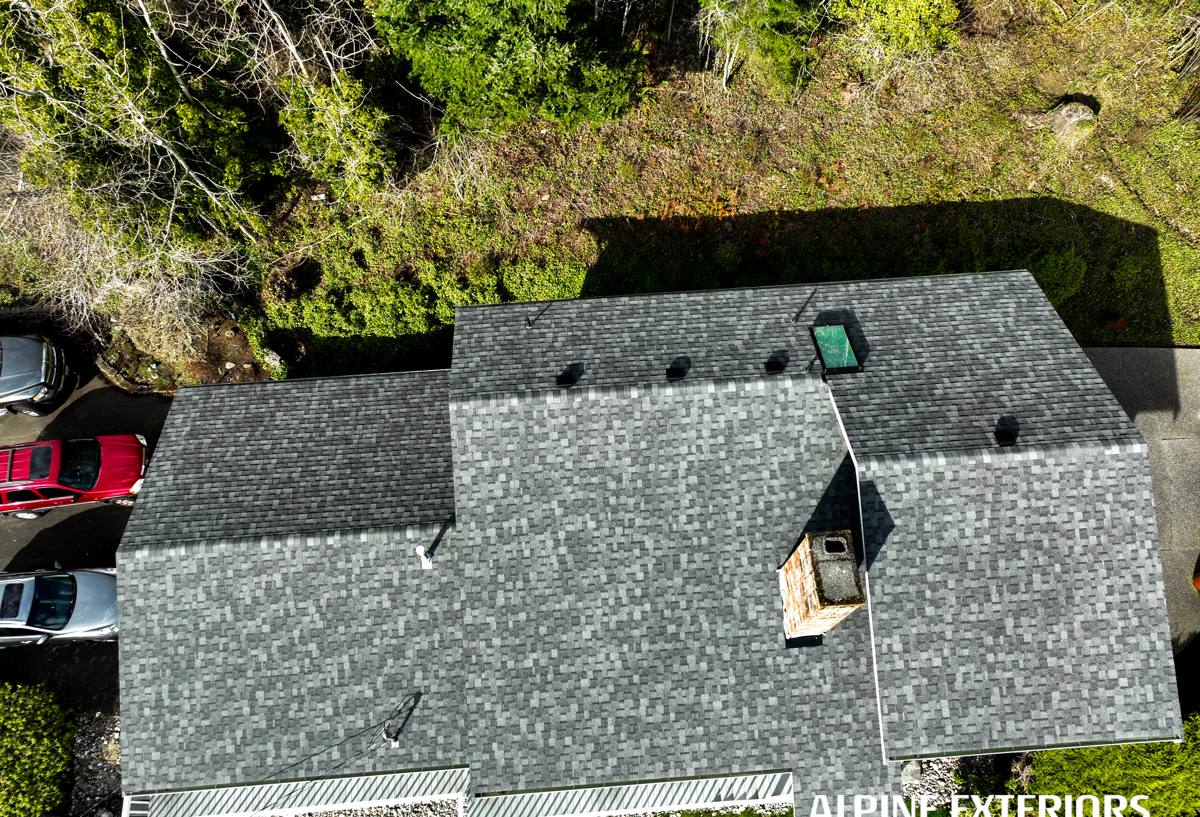
We work on roofs in this neighborhood regularly, which means we already know the common trouble spots: valleys that collect needle litter, north-side moss buildup, flashing around older chimneys and skylights that was never detailed for this much sustained moisture, and gutters that back up during heavy rain events and push water under the roof edge. A repair that ignores those local realities tends to fail again within a season or two.
What Bellingham's Climate Actually Does to a Roof
Salt Air and Metal Fatigue
Being near Bellingham Bay means airborne salt reaches roofs more than most homeowners expect. It accelerates corrosion on exposed fasteners, metal flashing, and any galvanized components that aren't properly coated or that have had their protective layer scratched during a prior repair or storm. Once corrosion starts at a fastener head or flashing seam, it creates a path for water that's easy to miss during a quick visual check from the ground.
Driving Rain and Wind-Driven Moisture
Rain in this region doesn't always fall straight down. Wind off the water pushes it sideways and up under shingle tabs, ridge caps, and flashing edges that would be fine in a calmer climate. Underlayment and flashing details that were adequate for light rain often aren't enough here, which is why we pay close attention to how water is meant to shed at every transition point on the roof, not just the open field areas.
Moss, Shade, and a Long Growing Season
Whatcom County's mix of tree cover, marine humidity, and mild temperatures gives moss a long window to establish itself, especially on north- and east-facing slopes that don't get much direct sun. Moss holds moisture against the roofing material far longer than open air would allow, and as it grows it can lift shingle edges and work its way under laps. Left alone, a moss mat becomes a slow, steady source of water intrusion rather than a single obvious leak.
Signs a Birchwood Roof Needs Repair, Not Just Cleaning
- Dark streaking or green growth concentrated on shaded or north-facing slopes
- Granules collecting in gutters or at downspout outlets, indicating shingle wear
- Soft or spongy spots on the roof deck, usually felt more than seen
- Water stains on interior ceilings or upper walls, especially after a windy rain event
- Lifted, curled, or missing shingles near valleys, ridges, or roof-wall intersections
- Rusted or visibly corroded flashing around chimneys, vents, or skylights
- Daylight visible through the roof deck from inside an attic space
- Sagging in the roofline between rafters, which points to deck or structural moisture damage
Some of these are visible from the ground with a careful look; others only show up on the roof itself or in the attic. That's part of why a proper repair estimate includes an actual roof-surface inspection rather than a guess from the driveway.
What a Correct Repair Actually Involves
Diagnosing the Real Cause
Every roof repair should start with figuring out why water got in, not just where it's showing up inside the house. Interior stains don't always sit directly below the actual entry point — water can travel along rafters or sheathing before it drips somewhere visible. We trace the path back to the source before opening anything up.
Removing Compromised Material
Damaged shingles, saturated underlayment, and any deck sheathing that's gone soft from prolonged moisture exposure need to come out completely. Patching over wet or rotted material just traps the problem under a new layer and guarantees a repeat call.
Addressing Moss and Growth at the Source
Where moss is part of the problem, removal has to be done carefully — aggressive scraping can damage shingle granules and shorten the roof's remaining life. We remove growth using methods that don't tear up the surface, and where it makes sense, we install zinc or copper strips near the ridge that let rainwater carry trace metal ions down the slope, which discourages regrowth over time.
Rebuilding Flashing and Transitions Correctly
Chimneys, skylights, vent pipes, and roof-to-wall junctions are where most leaks actually originate, not the open shingle field. We rebuild these with proper step flashing, counter-flashing, and sealant details rated for sustained wet exposure — not just a bead of caulk over the old metal.
Matching Materials and Finish
Wherever possible, we match new shingles or roofing material to the existing roof in color and profile so the repair blends in rather than standing out as an obvious patch. Where an exact match isn't available due to product discontinuation or sun fading on the existing roof, we'll tell you that upfront rather than let it be a surprise.
Our Process for a Birchwood Roof Repair
- On-site inspection — We get on the roof (not just a ground-level look) to check the deck, flashing, ventilation, and the full extent of moss or moisture damage.
- Honest diagnosis — You get a plain explanation of what's actually wrong, what's causing it, and what happens if it's left alone.
- Written estimate — Scope and cost factors are laid out before any work starts, including what we can confirm versus what we'll need to verify once we open up the affected area.
- Repair work — Removal of compromised material, deck repair if needed, correct flashing and underlayment work, and shingle or material replacement matched to your existing roof.
- Cleanup and walkthrough — Debris removal and a final review so you know exactly what was done and why.
Cost Factors for Roof Repair in This Area
Every roof and every leak is different, so we won't quote a number without seeing the roof, but the factors below are what typically move a repair estimate up or down.
| Factor | Why It Matters Here |
|---|---|
| Extent of moss or growth damage | Long-established moss can lift and damage shingles beyond simple cleaning, requiring more material replacement |
| Roof deck condition | Saturated or rotted sheathing under the roofing material adds structural repair work beyond surface-level fixes |
| Flashing complexity | Roofs with multiple chimneys, skylights, or wall intersections need more detailed flashing work to stop wind-driven rain |
| Roof pitch and access | Steeper slopes and limited access points affect labor time and safety setup |
| Material availability | Matching older or discontinued shingle profiles can affect cost and timeline |
| Roof age | Older roofs nearing the end of their service life may need broader repair or a frank conversation about replacement timing |
Repair vs. Replacement: An Honest Look
Not every roof problem in Birchwood needs a full replacement, and not every leak can be permanently solved with a patch. If the roof is otherwise sound and the damage is localized — a section of moss-damaged shingles, one failed flashing detail, a single storm-damaged area — a targeted repair is the right call and the more cost-effective one. If the deck has widespread moisture damage, the shingles are past their expected service life across the whole roof, or repairs are becoming a recurring pattern in the same areas, we'll tell you honestly that continued patching is throwing money at a problem that a repair alone won't fix long-term. We'd rather give you that assessment upfront than sell you a series of repairs on a roof that needs to be replaced.
Preventing the Next Repair
- Keep gutters and downspouts clear, especially before the fall rain season starts
- Trim back tree branches that shade roof sections and keep them damp longer than necessary
- Have moss addressed while it's still light growth, before it lifts shingle edges
- Check attic ventilation — poor airflow traps moisture against the underside of the deck
- Schedule a roof check after major wind events, since displaced flashing or lifted shingles aren't always visible from the ground
Why a Local Crew Matters for This Kind of Work
A roofing crew that works Bellingham and greater Whatcom County regularly already knows what this climate does to a roof over time — which slope orientations moss favors, how salt air affects metal components near the water, and which flashing details actually hold up against wind-driven rain instead of just looking correct on installation day. That local, repeated experience shows up in the diagnosis: we're not guessing at what might be wrong, we're checking the spots that reliably cause problems on roofs like yours in this specific area.
If you're dealing with a leak, visible moss, or just want an honest read on your roof's condition before it becomes an emergency, we're glad to take a look. Reach out for a free, no-pressure estimate using the form below — we'll assess the roof, explain what we find in plain terms, and let you decide from there.