 Bellingham Siding
 Storm Damage Repair Built for Birch Bay's Waterfront Climate
Birch Bay sits right on the water, and that changes what "storm damage" means for a roof here compared to a house a few miles inland in Bellingham. Wind off the water, salt-laden air, and driving rain hit bay-facing roofs harder and more often than roofs tucked into inland neighborhoods. A repair that would hold up fine in a sheltered part of Whatcom County can fail again within a season or two out here if it isn't done with that exposure in mind. This page covers what storm damage actually looks like on a Birch Bay roof, what a correct repair involves, and why local experience matters when you're picking who does the work.
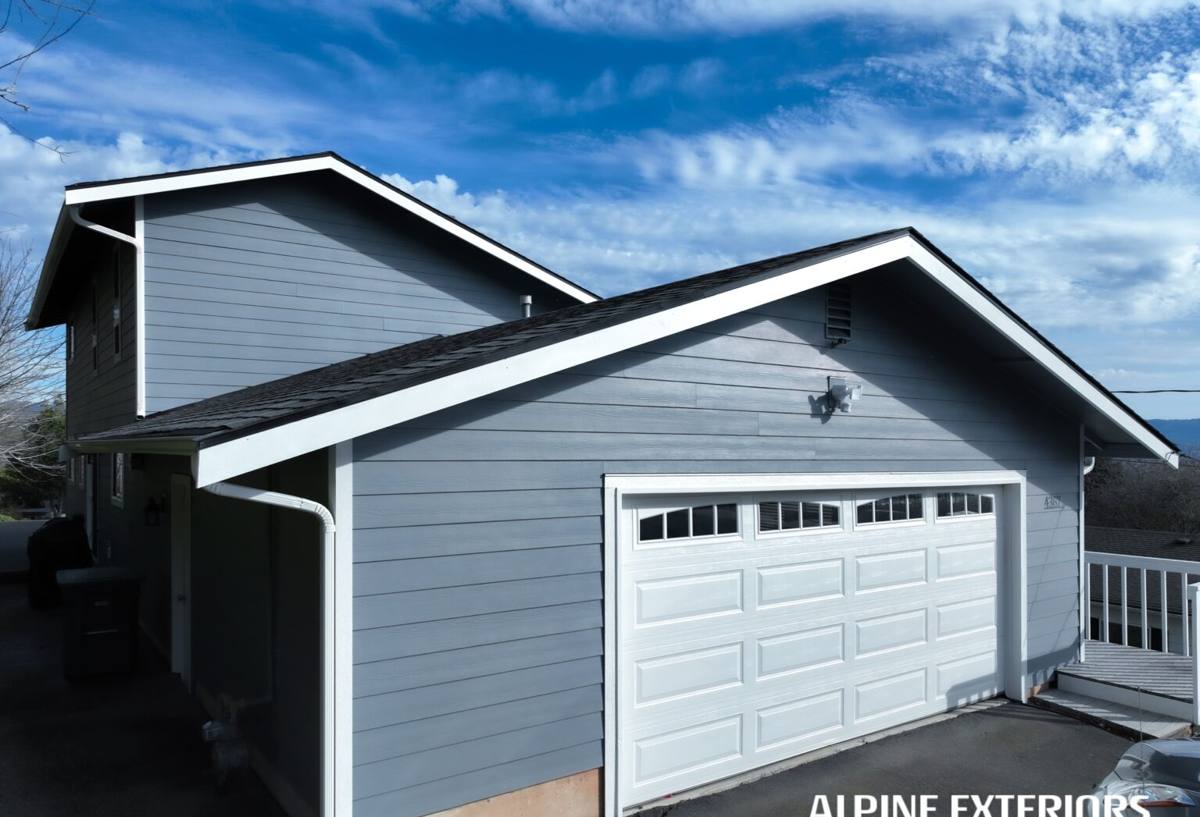
How Storms Actually Damage a Birch Bay Roof
Wind-Driven Rain and Uplift
When wind comes off open water, rain doesn't just fall straight down — it gets pushed sideways and driven up under shingle edges, flashing laps, and vent boots that were never designed to shed water from that angle. At the same time, sustained gusts lift the leading edge of shingles or shakes, especially on the slopes that face the bay directly. Repeated cycles of this loosen fasteners and seals long before any single storm causes a dramatic, obvious failure.
Salt Air and Corrosion
Salt in the air accelerates corrosion of anything metal on a roof — nail heads, flashing, gutter screws, and the fasteners holding vent boots in place. On or near the waterfront, that corrosion can happen noticeably faster than it would on an inland roof of the same age. A fastener that's rusted through is a leak waiting for the next windstorm to find it, even if the shingle above it still looks fine.
Debris and Impact Damage
Big wind events bring branches and loose debris down, and heavier rain can overwhelm gutters that are undersized, clogged, or already pulling away from the fascia. When a gutter backs up during a storm, water gets pushed back up under the roof edge instead of running off — which shows up later as a ceiling stain that has nothing to do with the shingles themselves.
Signs You Need a Storm Damage Inspection
Not all storm damage is obvious from the ground. After any significant windstorm, it's worth checking for:
- Missing, cracked, or lifted shingles or shakes, especially on bay-facing slopes
- Granules collecting in gutters or at the base of downspouts
- Water stains on ceilings or ductwork, or in the attic near chimneys, skylights, and vent penetrations
- Bent, lifted, or missing flashing around chimneys, vents, or roof-wall intersections
- Dented or damaged gutters, downspouts, or roof vents from wind-blown debris
- Soft or spongy spots underfoot when walking the roof, which usually means trapped moisture
- New drafts, musty smells, or daylight visible in the attic that weren't there before
If you notice any of these after a storm, it's worth having someone look before the next round of weather makes it worse.
What a Correct Storm Damage Repair Actually Involves
Diagnosing the Whole Assembly, Not Just the Visible Spot
Storms rarely damage just one shingle in isolation. Wind uplift usually loosens an entire course, and water that gets in during a storm can travel along the decking and show up feet away from where it actually entered. A correct repair traces the water path back to its source, checks the decking underneath for soft or delaminated spots, and looks in the attic — not just at the visible damage on the outside.
Matching Materials Instead of Guessing
On an older roof, matching the color and profile of existing shingles or shakes matters for how well the repair blends and sheds water at the seams. When an exact match isn't available — which happens more often on older Birch Bay homes — we say so upfront and walk through the realistic options rather than patching with whatever's closest and hoping it's good enough.
Upgrading Flashing and Fasteners Where It Counts
If salt air has already thinned the coating on the original flashing or fasteners, replacing them with the same standard hardware just sets up the next repair call. When we open up a flashing detail on a storm repair this close to the water, our default is corrosion-resistant hardware, even if that wasn't what was originally installed.
Our Process for Storm Damage Calls in Birch Bay
Storm repair moves faster than a full re-roof, but skipping steps is how repairs fail early. Here's how we run it:
- Full-roof inspection, not just a look at the obvious damage
- Photo documentation and plain-language notes, useful if you're filing an insurance claim
- Temporary weatherproofing — tarping or sealing — if the roof is actively leaking
- A written scope and estimate before any repair work starts
- Repair using matched materials and, where appropriate, coastal-grade fasteners and flashing
- A final walk-through, including an attic check, to confirm there's no hidden moisture left behind
Standard vs. Coastal-Grade Materials: What We Use and Why
Not every storm repair needs upgraded hardware, but on waterfront and near-waterfront lots in Birch Bay, it usually pays for itself by avoiding a repeat call in a few years.
| Component | Typical Inland Choice | What We Use Near the Water | Why It Matters |
|---|---|---|---|
| Fasteners | Electro-galvanized nails/screws | Hot-dip galvanized or stainless | Salt air corrodes light coatings years faster than inland exposure |
| Flashing metal | Painted steel | Aluminum or heavier-gauge coated steel | Resists pitting and rust streaking from salt spray |
| Vent boot hardware | Standard boot, steel screws | UV- and corrosion-rated boot, stainless screws | Boots and fasteners take direct sun and salt exposure on bay-facing slopes |
| Gutter fasteners | Standard hangers | Stainless or heavy-coated hangers | Prevents early hanger failure and gutter sag |
| Drip edge | Mill-finish or painted steel | Aluminum | Won't rust-streak the fascia over time |
The upgraded hardware costs modestly more upfront. On a shoreline roof, that difference is usually smaller than the cost of a second storm-damage visit a few years later for the same detail.
What Actually Drives the Cost of a Storm Repair
| Factor | Why It Changes the Price |
|---|---|
| Extent of damage | A single leak point costs far less to fix than damage spread across multiple slopes |
| Roof pitch and access | Steep or hard-to-reach roofs take more time and rigging |
| Material matching | Older or discontinued shingle and shake profiles can be harder to source |
| Hidden decking damage | Rot found once shingles are pulled back adds material and labor |
| Insurance documentation | Adds time upfront but doesn't usually change the repair itself |
Moss, Shade, and the Long Wet Season
Plenty of Birch Bay lots have mature evergreen cover on the inland side of the house, which keeps parts of the roof shaded and damp well outside of storm season. That's exactly the environment moss needs, and moss holds moisture against shingles while working its way under the edges — which turns a small, unnoticed patch of moss into an entry point for wind-driven rain during the next storm. Whatcom County's long moss season means this isn't a one-time cleanup; it's something worth checking every year, especially on north-facing or shaded slopes, so storm damage isn't compounding on top of moss damage that was already loosening things underneath.
Storm Damage and Insurance: What's Worth Knowing
Many storm repairs are covered by homeowners insurance when the damage is tied to a specific wind or storm event. Gradual damage from moss, age, or general wear typically isn't, which is a distinction adjusters look for closely. We document what we find in plain terms and give an honest written scope either way — we don't pad a scope to help hit a deductible, because an inflated repair record can cause problems later, whether or not a claim is involved. What you do with that documentation, including whether to file a claim, is your call.
Why a Crew That Already Works Birch Bay Matters
After a significant windstorm moves through Whatcom County, every roofing crew in the area gets busy at once, and out-of-area companies often show up in the weeks that follow. A crew based in Bellingham that already works Birch Bay regularly knows the mix of older beach-lot roofs and newer builds in the area, what normal weathering looks like on a shoreline roof versus real storm damage, and how to get an accurate scope on the first visit instead of guessing. Being local also means we can usually get out to look at storm damage sooner rather than routing a crew in from farther away once regional demand spikes.
If a recent storm has you wondering about your roof, we're happy to take a look. The estimate is free, there's no pressure to book anything on the spot, and you'll get a straight answer about what's actually going on — just fill out the form below to get started.