 Bellingham Siding
 Window Replacement for York Homes in Bellingham
York is one of Bellingham's established residential neighborhoods, and like most of Whatcom County, it sits close enough to Bellingham Bay to feel the effects of salt-laden air, sideways rain, and long stretches of damp, shaded weather every year. Windows here do a harder job than windows almost anywhere inland. If yours are original to the house, or even a first-generation replacement from a couple decades back, there's a good chance they're no longer sealing the way they should be.
This page covers what window replacement actually involves for a home in this part of Bellingham — what the climate does to windows over time, what a correct installation looks like, how we run the job from estimate to cleanup, and why it matters to hire a crew that already works in this neighborhood instead of one that's driving in from out of the area for a single job.
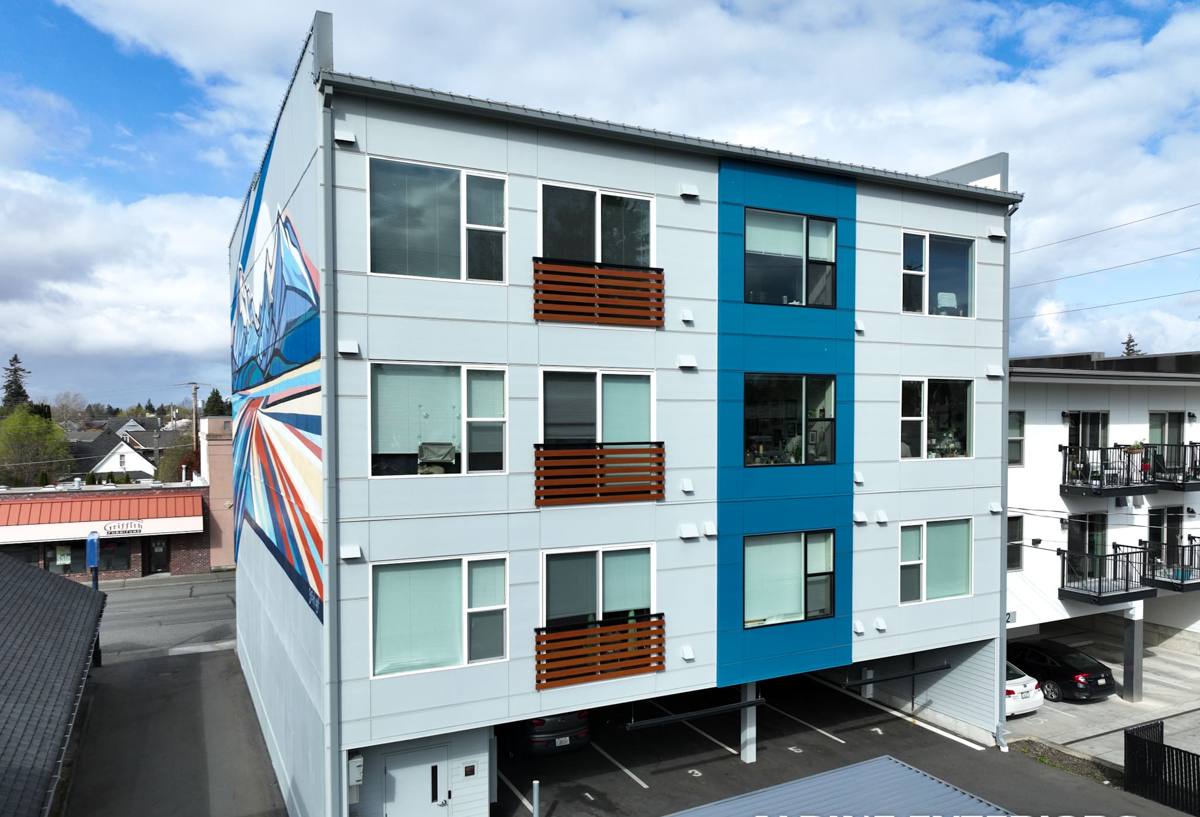
What Bellingham's Climate Does to Windows Over Time
Whatcom County's marine climate is mild, but it's relentless. Three things in particular wear on windows in neighborhoods like York:
Salt Air
Proximity to Bellingham Bay means a steady, low-level exposure to salt-carrying air. Over years, that air works into metal hardware — hinges, locks, cranks, and screws — causing corrosion that makes windows harder to open, close, and lock properly. It also accelerates the breakdown of certain sealants and finishes, especially on older aluminum-frame windows that weren't built with coastal exposure in mind.
Driving Rain
Bellingham doesn't just get a lot of rain — a good portion of it comes in sideways during winter storms, pushed by wind off the water. That kind of wind-driven rain finds any gap in flashing, caulking, or a warped sash and pushes water past it. A window that "looks fine" from the curb can still be letting moisture into the wall cavity behind it, which is where the real damage happens.
A Long Moss and Damp Season
Shaded exposures and consistently high humidity keep moss, algae, and mildew active for much of the year in this area. On windows, that shows up as green or black staining in corners, on sills, and along frame joints — areas that stay wet longer because they don't get direct sun or airflow. Beyond the cosmetic issue, sustained dampness is exactly the condition that lets wood frames rot and seals fail early.
Signs a York Home's Windows Need Attention
Most homeowners don't think about window replacement until something forces the issue. In our experience, these are the earliest and most reliable signs that windows in this area are due:
- Visible condensation or fogging between panes — a sign the seal has failed and the insulating gas has escaped
- Soft, discolored, or spongy wood on the sill or lower frame corners
- Persistent moss or dark staining in the same spot on a window each year
- Drafts you can feel with a hand near the frame on a windy day
- Windows that stick, won't stay open, or are hard to lock — often a sign of corroded hardware or a frame that's shifted
- A noticeable rise in heating costs with no other obvious cause
- Paint that keeps peeling or bubbling near the window frame, even after repainting
Any one of these on its own might just mean a repair. Several of them together, especially on windows original to the house, usually means replacement is the more cost-effective long-term move.
What a Correct Window Replacement Job Actually Involves
The window unit itself is only part of the job. In a climate that pushes rain sideways, how the window is installed matters as much as which window you buy. A correct installation includes:
Removing the Old Window Properly
This means fully removing the old unit and inspecting the rough opening underneath — the framing, sheathing, and any existing flashing — rather than just popping a new window into a bad opening. This is the point where hidden rot or water damage from a failed seal gets found and dealt with, instead of sealed back up behind a new window.
Flashing and Weatherproofing
Proper flashing directs any water that gets past the exterior trim back out and away from the wall assembly, using correct lapping order (so upper layers overlap lower ones, never the reverse) and compatible sealants. This step is invisible once the job is done, which is exactly why it's the step that gets skipped by installers trying to move fast. It's also the step most responsible for whether a window is still watertight in ten years.
Setting and Shimming the Window
The new window needs to be shimmed level, plumb, and square in the opening — not just screwed in wherever it happens to sit. A window that's slightly out of square will bind, won't seal evenly, and will wear out its hardware faster.
Sealing and Insulating
The gap between the window frame and the rough opening gets insulated (typically with low-expansion foam, not packed fiberglass, which can compress and leave voids) and sealed with an appropriate exterior sealant rated for this climate's temperature swings and moisture exposure.
Interior and Exterior Finish Work
Trim, casing, and any siding disturbed during the swap get reinstalled or replaced cleanly, and the area gets caulked and painted to match. A window job isn't finished until the house looks finished around it.
Choosing Window Materials for a Coastal Whatcom County Home
There's no single "best" window material — the right choice depends on the home's age, style, budget, and how much upkeep the owner wants to take on. Here's how the common options hold up specifically against salt air, driving rain, and a damp climate:
| Material | How It Handles This Climate | Maintenance |
|---|---|---|
| Vinyl | Doesn't rust or corrode from salt air; handles moisture well; good energy performance | Low — occasional cleaning, no painting |
| Fiberglass | Very stable in temperature swings and moisture; strong resistance to warping | Low — very durable finish, rarely needs attention |
| Wood | Classic look, but most exposed to rot and moss staining if not maintained | High — regular painting/sealing needed, especially on north- and shade-facing walls |
| Wood-clad (wood interior, metal or vinyl exterior) | Exterior shell protects against rain and salt while keeping interior wood look | Moderate — interior wood still needs occasional attention |
| Aluminum | Prone to corrosion and heat/cold transfer in coastal salt air over time | Moderate to high — hardware and finish need monitoring |
For homes in this area, we generally steer owners toward vinyl or fiberglass unless there's a strong aesthetic or historical reason to stick with real wood. It isn't that wood windows can't work here — it's that they demand a level of ongoing maintenance that most owners don't want to keep up with year after year, and a missed maintenance cycle in this climate shows up fast as rot or staining.
What Drives the Cost of Window Replacement
Every home is different, so we don't quote prices without seeing the job, but these are the main factors that move the number up or down:
| Factor | Why It Matters |
|---|---|
| Number and size of windows | The most direct driver of total project cost |
| Frame material chosen | Vinyl is typically the most budget-friendly; wood and wood-clad cost more |
| Glass package | Double-pane vs. triple-pane, and coatings for energy performance, affect unit price |
| Condition of the existing opening | Hidden rot or damaged framing found during removal adds repair work |
| Installation type | A full-frame replacement (removing down to the studs) costs more than an insert replacement but is often the right call on an older or water-damaged opening |
| Access and site conditions | Second-story windows, tight lot access, or extensive trim work add labor time |
As a rule, replacing several windows in one project is more cost-effective per window than doing them one or two at a time over several years, both in labor efficiency and in getting consistent products and warranties across the house.
How Our Process Works
We keep the process straightforward from first contact to final walkthrough:
- Free on-site estimate — we look at each window in question, check the condition of the surrounding frame and siding, and talk through what you actually need versus what you don't.
- Straightforward quote — a written estimate covering materials, labor, and timeline, with no pressure to decide on the spot.
- Scheduling around the weather — we plan installation windows with Bellingham's rain patterns in mind so openings aren't left exposed longer than necessary.
- Installation — removal, inspection of the rough opening, flashing, setting, insulating, and sealing, done to the standard described above rather than shortcuts that save time now and cost money later.
- Finish work and cleanup — trim, caulking, paint touch-up, and a full cleanup of the work area, inside and out.
- Final walkthrough — we go over the finished windows with you before calling the job done.
Why It Matters to Hire a Crew That Already Works in York
A contractor who regularly works in this part of Bellingham has already seen how homes in the neighborhood are built and what tends to go wrong with them — the common window styles, typical framing quirks in homes of a certain age, and the exposures (which walls take the worst of the wind-driven rain, which corners hold moss longest) that matter for a correct install. That's knowledge you don't get from a crew that treats every job as a first encounter with the area.
There's also a practical side to it: a local crew is easier to reach for a warranty question, a follow-up caulking touch-up, or advice on a window that's acting up two winters after installation. That kind of accountability is harder to get from an outfit that's just passing through.
Questions to Ask Before Hiring a Window Contractor
Whoever you hire for this work, these are worth confirming up front:
- Are they licensed and insured to work in Washington State?
- Do they inspect the rough opening for hidden rot or damage before installing, or just swap the unit?
- What flashing and sealing method do they use, and can they explain why?
- Is the warranty on the window itself separate from the warranty on their installation labor?
- Will they give you a written estimate before starting, with no pressure to sign the same day?
- Have they worked on other homes in your neighborhood or a similar coastal setting?
If a contractor can't answer these clearly, that's worth noting before you sign anything.
If your windows in York are drafty, fogging, sticking, or just showing their age, we're happy to take a look and give you an honest read on what's actually needed — no pressure, no obligation. Reach out below to schedule a free estimate.