 Bellingham Siding
 Windows Built for the Sudden Valley Setting
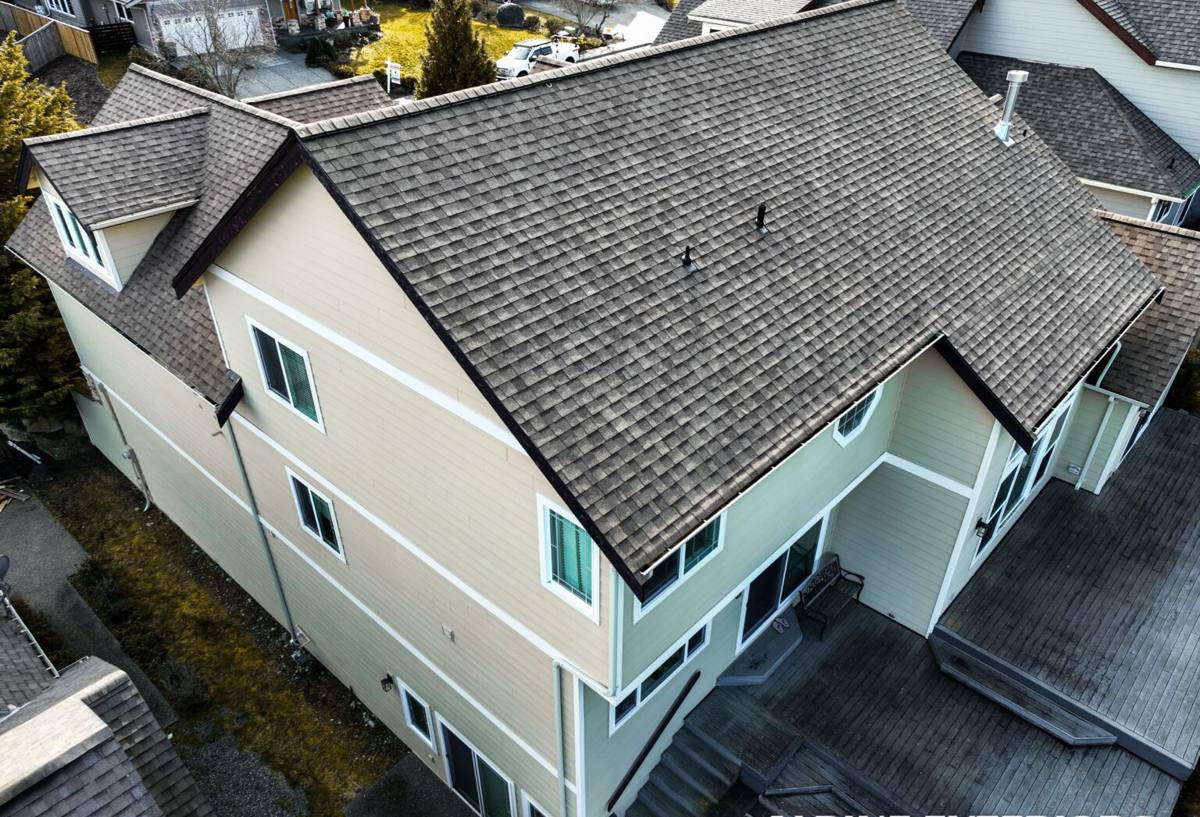
Sudden Valley sits in a wooded, lakeside pocket of Whatcom County, and that setting cuts both ways. The tree cover and lake views that make the neighborhood desirable also mean homes here spend a lot of the year in shade, in still, damp air, and under a steady drip from overhanging branches. Add in the driving rain that rolls through the Bellingham area off the Salish Sea and the salt-laden marine air that moves inland with it, and you've got a climate that is genuinely hard on window frames, seals, and sills. This isn't a place where "good enough" window work holds up for long.
We're not describing a rare or extreme climate — it's the normal Whatcom County pattern of wet falls, wet winters, and short dry summers. But normal here still means more cumulative moisture exposure than most window products, and most installers, are used to accounting for. A window that's a fine fit for a dry-climate home can start failing in Sudden Valley within a few years if it wasn't installed with this environment in mind.
What This Climate Actually Does to Windows
Moss and Organic Growth
A long moss season isn't just a roof problem. Moss and algae take hold on shaded window sills, in frame corners, and along exterior trim wherever moisture sits instead of draining. Over time, that growth holds water against wood and vinyl surfaces, accelerates rot in wood components, and stains cladding. On heavily shaded lots — common throughout Sudden Valley — this cycle runs longer each year than it does on more open, sun-exposed properties elsewhere in Bellingham.
Driving Rain and Wind-Driven Moisture
Storms coming off the water don't just drop rain straight down — wind pushes it sideways, into gaps around window frames that would stay dry in a calmer climate. This is where flashing and sealant quality matter more than the window itself. A premium window installed with poor flashing details will leak; a mid-range window installed correctly usually won't.
Salt Air and Humidity
Marine air carries fine salt and moisture that speeds up corrosion on hardware — hinges, locks, balance mechanisms — and can degrade certain sealants and finishes faster than a dry inland climate would. It also keeps ambient humidity higher for more of the year, which affects how well a window's weatherstripping and glazing seals hold up over time.
Condensation
Older single-pane or poorly sealed double-pane windows in shaded, humid spots are prone to interior condensation, which shows up as fogged glass, damp sills, and eventually soft wood or mildew at the frame edges. This is one of the most common complaints we hear from homeowners in tree-covered parts of the Bellingham area.
Signs Your Windows Need Attention
Most window failures announce themselves gradually. Here's what we tell Sudden Valley homeowners to watch for:
- Fogging or moisture trapped between panes of a double-pane window (a sign the seal has failed)
- Soft, discolored, or crumbling wood at the sill or frame corners
- Visible moss, algae, or dark staining on the sill or exterior trim
- Drafts you can feel near the frame even with the window fully closed and latched
- Windows that are hard to open, close, or lock — often a sign the frame has warped slightly
- Paint that keeps peeling or bubbling on the interior or exterior frame despite repainting
- A noticeable rise in heating costs with no other explanation
- Noticeably louder outside noise than you remember, which often points to failed seals
Any one of these on its own might just need a repair. Several at once, especially on the same window, usually means replacement is the more honest recommendation.
What a Correct Window Replacement Job Involves
Replacing a window well is mostly about what happens before and around the window itself, not just swapping the unit. In a climate like this one, we treat the following as non-negotiable:
Removal and Inspection
When we pull the old window, we inspect the rough opening for hidden rot or moisture damage in the framing. This is common on older Sudden Valley homes where a window has been quietly leaking behind the trim for years without an obvious interior sign. Any compromised framing gets repaired before a new window goes in — installing a new window into a rotten opening just delays the same problem.
Flashing and Water Management
Proper flashing directs any water that gets past the exterior trim down and out, away from the wall assembly, instead of letting it pool at the sill or wick into the wall. This detail matters more here than in drier climates, and it's the single most common shortcut we see in poor-quality prior installs.
Sealing and Insulation
The gap between the window frame and the rough opening needs to be properly insulated and air-sealed — not just caulked around the outside trim. Done right, this stops both drafts and the kind of moist air infiltration that leads to condensation and mold inside the wall cavity.
Integration with Siding and Trim
The window has to tie back into the surrounding siding and trim cleanly, with the right overlaps and gaps to shed water. This is where a crew that also does siding work has an advantage — we're not treating the window as an isolated component, we're treating it as part of the whole exterior water-management system.
Choosing the Right Window for This Climate
There's no single "best" window brand or material for every home — it depends on the home's exposure, budget, and how much upkeep the homeowner wants to take on. Here's how the common options stack up for a moist, shaded, moss-prone setting like Sudden Valley:
| Frame Material | Moisture / Rot Resistance | Maintenance | Typical Cost Range | Best Fit |
|---|---|---|---|---|
| Vinyl | Good — won't rot, but seams and seals still need attention | Low | Lower | Most homes, especially shaded or high-moisture lots |
| Fiberglass | Very good — stable in wet-dry cycling, resists warping | Low | Mid to higher | Homes with heavy weather exposure or larger window sizes |
| Wood (unclad) | Poor without diligent upkeep — the material most vulnerable to this climate | High | Higher | Homeowners committed to regular repainting/resealing |
| Wood-clad (vinyl or aluminum exterior) | Good on the exterior face; interior wood still needs some care | Moderate | Higher | Homeowners wanting a wood interior look with better exterior durability |
| Aluminum | Resists rot but conducts cold and can corrode in salt air over time | Low | Mid | Limited use; usually not our first recommendation here |
For most Sudden Valley homes, we steer toward vinyl or fiberglass frames precisely because they don't give moss, moisture, and salt air anything to work on. We'll still install what a homeowner wants, including wood or wood-clad, but we're upfront that those choices carry a real, ongoing maintenance commitment in this environment — that's a trade-off we explain plainly rather than gloss over.
Glass Packages Worth Considering
Beyond the frame, the glass package matters for both comfort and moisture control:
- Double-pane, argon-filled glass is the standard baseline for this climate and a meaningful step up from older single-pane windows
- Low-E coatings help manage heat loss through the long, cool, cloudy Bellingham stretch of the year
- Warm-edge spacers (rather than older metal spacers) reduce the chance of condensation forming at the edge of the glass, which is a common cold-climate complaint
Our Process for Sudden Valley Projects
We keep the process straightforward and communicate clearly at each step:
- On-site assessment — we look at each window individually, not just as a line-item count, since exposure and condition often vary a lot from one side of a house to another
- Honest recommendation — repair versus replace, and which materials fit the home's exposure and your budget, explained without upselling
- Written estimate — clear on scope, materials, and timeline before any work starts
- Careful removal and opening inspection — catching hidden rot or damage before it's covered up again
- Installation with proper flashing, sealing, and trim integration — the details that determine whether the job holds up through winter storms
- Cleanup and walkthrough — so you know exactly what was done and how to maintain it
We also plan around access. Some Sudden Valley properties have private roads, gate access, or tight driveways, and steep or wooded lots aren't unusual. We account for that in scheduling so a project doesn't stall out because a delivery truck can't get where it needs to be.
Why Local, Sudden Valley-Familiar Experience Matters
A window replacement crew that mostly works in drier, more open parts of the region can still do competent work, but they're often making judgment calls about flashing, sealing, and material choice without much firsthand experience of what a heavily shaded, moisture-heavy lot actually does to a window over five or ten years. Crews that regularly work in and around Bellingham's wetter, wooded neighborhoods make different — and better — calls on materials, sealing detail, and drainage almost automatically, because they've seen what fails here and what doesn't.
There's also a practical side: familiarity with the community's access points, typical lot layouts, and the general condition of homes built in different decades around Whatcom County means fewer surprises once a project starts, and a more accurate estimate up front.
Protecting Your Investment After Installation
New windows will hold up far longer with a small amount of seasonal attention, especially on shaded lots:
- Clear debris and moss buildup from sills and tracks a couple of times a year, more often on heavily shaded windows
- Check exterior caulking annually for cracking or gaps, particularly after a hard winter
- Keep gutters and downspouts clear so roof runoff isn't sheeting down across window heads
- Trim back branches or vegetation that keep a window in constant shade and dampness, where that's practical
- Operate locks and hardware periodically through the year so mechanisms don't seize from disuse or corrosion
None of this is a heavy chore — it's the same light maintenance most Whatcom County homeowners already do for their homes. It just makes a bigger difference here than it would in a drier region.
Get a Straightforward Estimate
If you're dealing with foggy glass, drafty frames, moss buildup, or windows that are simply past their useful life, we're happy to take a look and give you an honest read on repair versus replacement. There's no pressure and no obligation — just a clear assessment and a written estimate you can use to make the decision on your own timeline. Use the form below to get started.