 Bellingham Siding
 Storm Damage Roof Repair, Built for the York Area's Weather
If you live in the York neighborhood, you already know Bellingham weather doesn't do you any favors when it comes to roofing. You're close enough to Bellingham Bay to catch salt-laden wind off the water, exposed to the driving, sideways rain that comes with winter fronts rolling in from the Strait of Georgia, and stuck under a moss season that seems to run longer every year. That combination wears on a roof differently than it would in a drier climate, and it means storm damage here often isn't a single dramatic event. It's usually a wind gust that lifted a few shingles last month, moss that's been holding moisture against the decking since fall, and a recent storm that finally pushed water through a weak spot that had been building for a while.
This page is about one thing: what it actually takes to repair storm-damaged roofing on a York home, done right, by a crew that already knows this part of Bellingham.
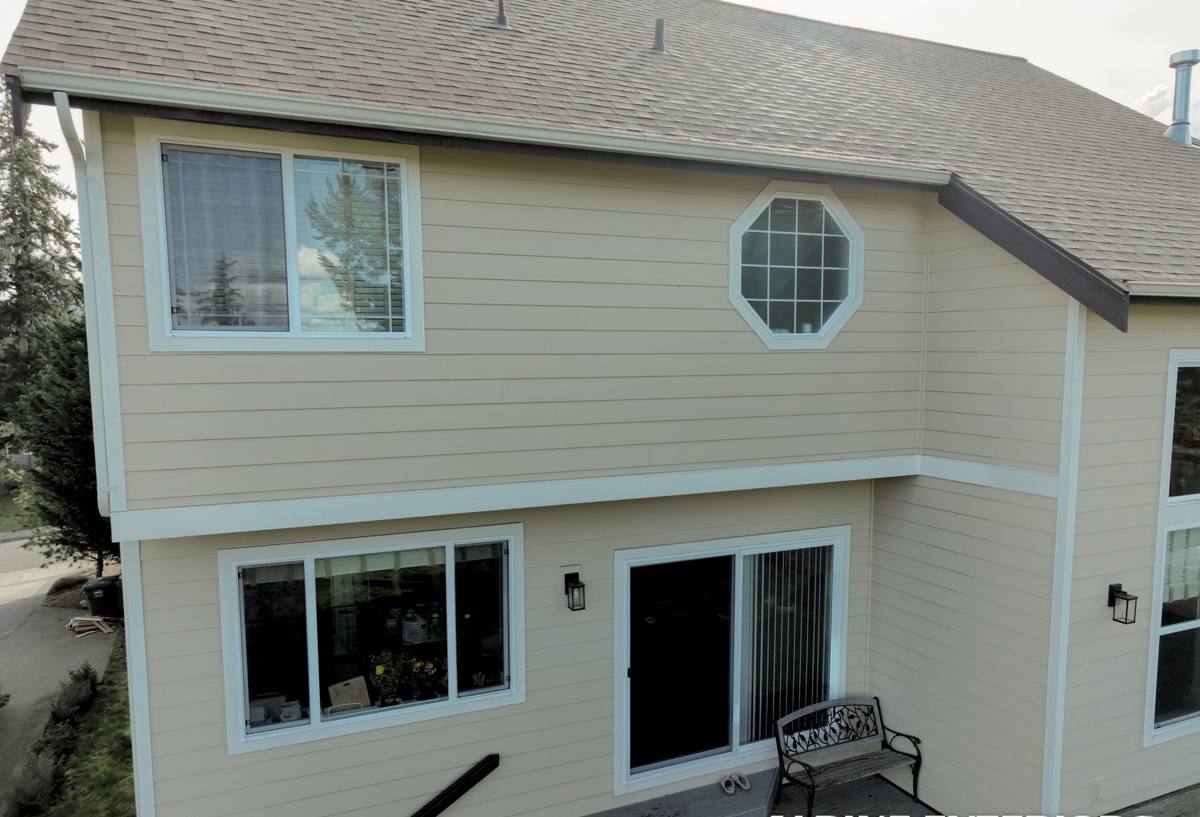
Why York Roofs Take Storm Damage Differently
Whatcom County storms aren't usually the kind that rip a roof off in one shot. They're the kind that find every existing weakness and make it worse. A few local factors matter more here than they would somewhere inland:
- Salt air corrosion: Proximity to the bay means metal flashing, fasteners, and vent boots corrode faster than manufacturer literature usually assumes. A flashing detail that would last 20 years in a dry inland climate can start failing well before that near the water.
- Wind-driven rain: Bellingham storms often bring rain sideways, not straight down. That means water finds its way under shingle tabs and around flashing laps that would stay dry in a normal downpour.
- Extended moss season: Shade, moisture, and mild temperatures let moss establish on north-facing slopes and anywhere debris collects. Moss holds water against the roof surface for days after a storm has passed, which accelerates rot at the decking level long before a leak ever shows up inside.
- Tree cover: Many York lots have mature trees nearby. Storms knock down branches and drop debris that can crack shingles or puncture underlayment even without a full limb strike.
The result is that storm damage repair in this area has to account for what was already happening to the roof before the storm hit, not just the obvious damage from the storm itself.
What a Correct Storm Damage Repair Actually Involves
It Starts With an Honest Inspection, Not a Sales Pitch
A roof that took storm damage needs to be inspected from the decking out, not just glanced at from the ground. That means checking:
- Shingle or roofing material condition — cracked, creased, lifted, or missing pieces
- Flashing around chimneys, vents, skylights, and roof-to-wall transitions
- Underlayment and decking condition wherever water has clearly gotten through
- Gutter and downspout function, since clogged or damaged gutters turn ordinary rain into standing water against the roof edge
- Moss and debris buildup, especially on shaded or north-facing slopes
- Attic or interior signs of moisture — staining, soft spots, or musty odor
We'll tell you plainly if something is a genuine storm-related repair versus pre-existing wear that the storm just exposed. Both matter, but they're different conversations — one may be insurance-relevant, the other is maintenance you'll want to plan for regardless.
Then the Actual Repair Work
Depending on what the inspection finds, a proper repair can include:
- Replacing damaged or missing shingles/roofing material, matched as closely as possible to the existing roof
- Re-flashing chimneys, vents, or wall transitions where corrosion or storm impact compromised the seal
- Repairing or replacing damaged decking sections where sustained moisture has caused rot
- Clearing moss and treating the surface to slow regrowth, especially on slopes prone to holding moisture
- Restoring proper gutter flow so water is directed away from the roof edge and foundation
- Sealing any secondary entry points — nail pops, cracked boots, lifted counter-flashing — that wouldn't show up as obvious "storm damage" but will cause the next leak
A repair that only patches the visible hole and ignores the moss, the marginal flashing, or the gutter backup isn't really finished. It just delays the next call.
Repair vs. Full Replacement: How We Help You Decide
Not every storm-damaged roof needs a full replacement, and we're not going to tell you it does. But there's a point where patch repairs stop making financial sense. Here's the general way we think through it:
| Factor | Leans Toward Repair | Leans Toward Replacement |
|---|---|---|
| Roof age | Under roughly two-thirds of expected lifespan | Near or past expected lifespan for the material |
| Damage extent | Isolated to one section or slope | Spread across multiple slopes or recurring in different spots |
| Decking condition | Solid, dry, no rot found | Soft, delaminated, or rotted decking discovered |
| Moss/moisture history | Recent or manageable buildup | Long-term moss damage affecting multiple areas |
| Prior repairs | First significant repair needed | Third or fourth patch in a few years |
We'll walk you through where your roof actually falls on this before recommending anything. If a repair is the honest answer, that's what we'll propose.
Our Process for York Storm Damage Calls
1. Fast, No-Pressure Inspection
We look at the roof, document what we find, and explain it in plain terms — what's storm damage, what's wear, and what can wait.
2. Clear Scope and Straight Answers on Cost
You get a written scope of what needs to happen and why, not a vague estimate. If insurance is involved, we'll document damage in a way that's useful for a claim, though the claim itself is between you and your insurer.
3. Repair Work Matched to Your Existing Roof
We match materials as closely as possible so a repair doesn't stand out as an obvious patch, and we address the underlying cause — moss, flashing wear, gutter backup — not just the hole the storm made.
4. Follow-Through
We stand behind the workmanship on repairs we perform. If something isn't sealing right, we come back and make it right.
Why Hiring a Crew That Already Works York Matters
Roofing crews that mainly work drier, inland regions sometimes underestimate how much salt air and moss cut into a roof's real lifespan on the Whatcom County coast. A crew that regularly works the York area and greater Bellingham already accounts for that. We know which flashing details tend to fail first near the bay, which slopes hold moss longest given the tree cover common on these lots, and how wind-driven rain during a typical fall or winter storm finds its way in. That local pattern recognition is the difference between a repair that lasts and one you're calling about again next winter.
It also means faster response. When a storm comes through Bellingham, a local crew isn't driving in from out of the area — we can typically get eyes on your roof sooner, which matters when there's active water intrusion.
What Homeowners Can Do Between Now and an Inspection
If you've got visible storm damage right now, a few practical steps while you wait for an inspection:
- If it's safe to do so from the ground, note obviously missing or displaced shingles and any debris on the roof — don't get on the roof yourself, especially in wet conditions
- Check your attic (if accessible) for fresh water staining or drips, and place a container underneath if there's active dripping
- Clear gutters at ground level if they're visibly clogged and easy to reach safely
- Take photos from the ground of any visible damage — useful for both us and any insurance conversation
- Avoid tarping the roof yourself unless you're experienced doing it safely; an improperly secured tarp can cause its own damage in the next windstorm
None of this replaces a proper inspection, but it can help limit damage in the day or two before we get there.
Maintenance That Reduces Future Storm Damage
Once repairs are done, a few ongoing habits make a real difference in this climate:
- Trim back tree limbs that overhang the roof to reduce debris and shade that feeds moss growth
- Have moss treated or removed on a regular schedule rather than waiting until it's visibly thick
- Clean gutters at least twice a year, more often if you're under conifers
- Have flashing and roof penetrations checked periodically, since these fail well before the roofing material itself typically does in salt-air conditions
These aren't upsells — they're the difference between one storm repair and a pattern of repeat calls.
If your York-area roof has taken storm damage, or you're just not sure whether recent weather did any harm, we're happy to take a look. The estimate is free, there's no pressure to move forward, and you'll get a straight answer about what your roof actually needs.