 Bellingham Siding
 Siding Repair in Lynden: What Local Homes Actually Need
Lynden homes take a steady beating from Whatcom County's wet, marine-influenced climate. Long stretches of driving rain, humid air moving in off the water, and a moss season that can run most of the year all work against exterior siding. Add in the freeze-thaw cycles of a Pacific Northwest winter, and even well-built siding systems eventually develop weak points that need real repair, not a quick cosmetic fix.
The tricky part with siding repair is that the visible damage is rarely the whole story. A cracked board, a soft spot, or a patch of peeling paint is usually a symptom of something happening behind the surface — moisture that's gotten past the exterior layer and is sitting against the wall sheathing. Repairing siding correctly in this climate means treating it as a moisture-management job first and a cosmetic job second.
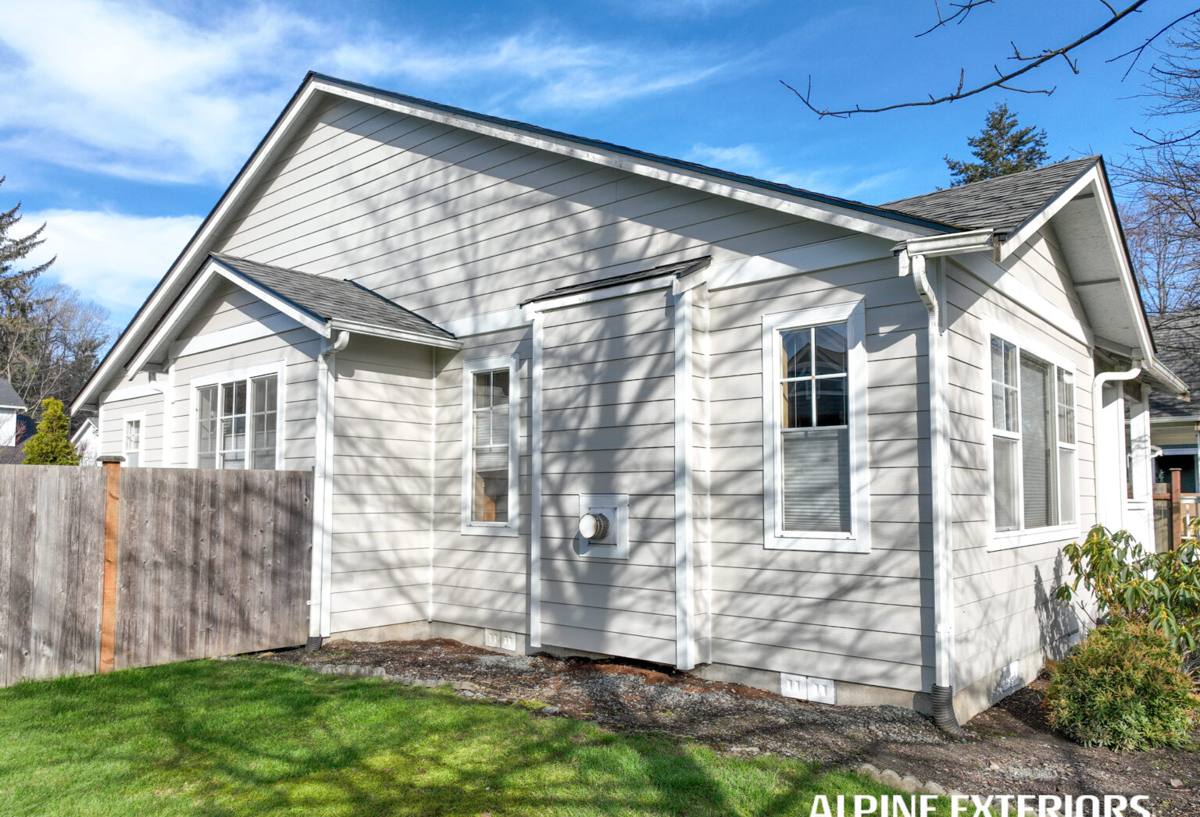
Signs a Lynden Home Needs Siding Repair
Because damage often starts behind the siding before it's visible on the surface, it pays to catch the early signs rather than waiting for something obvious.
- Soft, spongy, or spongy-feeling siding when pressed, especially near the bottom of walls
- Visible cracking, splitting, or warping in individual boards or panels
- Paint that's bubbling, peeling, or failing faster than the rest of the house
- Dark streaking or persistent moss and algae growth that keeps coming back after cleaning
- Gaps opening up at seams, corners, or around window and door trim
- A musty smell near exterior walls inside the home, which can point to moisture already inside the wall cavity
- Visible daylight or drafts around siding seams
Any one of these on its own might be minor. Several showing up in the same area of the house is a sign the problem has been developing for a while.
What's Actually Causing the Damage
Moisture That Doesn't Fully Dry Out
Whatcom County doesn't just get rain — it gets long stretches where the air stays damp and surfaces don't fully dry between storms. Siding materials that absorb water, or that were installed without enough of a gap for airflow behind them, stay wet longer than they should. Over months and years, that constant dampness is what breaks materials down from the inside.
Moss and Organic Growth
A long moss season means anything that holds moisture on its surface — north-facing walls, areas shaded by trees or neighboring structures, low sections near grade — becomes a growth surface for moss and algae. That growth holds even more water against the siding, which accelerates whatever damage is already underway.
Salt-Laden Air and Wind-Driven Rain
Whatcom County's proximity to the water means homes throughout the region, including inland communities like Lynden, get periodic exposure to salt-carrying marine air on top of the more frequent wind-driven rain. That combination is harder on fasteners, caulking, and paint finishes than rain alone, which is part of why repairs that only address the visible surface tend not to last.
What a Correct Repair Actually Involves
Diagnosing Before Patching
Before any board is replaced, a proper repair starts with figuring out why the damage happened. That means checking whether water is getting in through a failed seal, a flashing gap, a missing kick-out at a roofline, or simply through material that's reached the end of its usable life. Replacing a damaged board without fixing the entry point just buys a few more years before the same spot fails again.
Checking What's Behind the Siding
Once a section is opened up, the house wrap or building paper and the sheathing underneath need to be inspected. If moisture has reached the sheathing, the repair scope grows — it's no longer just a siding question, it's a matter of drying out and, if necessary, replacing damaged wood before any new siding goes back on.
Matching Materials Honestly
Matching new siding to old is straightforward when the original material is still available and hasn't faded or weathered too far from its original color. When it isn't a clean match, we'll tell you that up front rather than installing something that will stand out. In some cases, the more honest answer is repairing a full elevation or transitioning the repaired section in a way that looks intentional, rather than chasing an invisible patch that won't hold up to daylight.
Repair or Replace: How We Help You Decide
Not every repair call ends in a repair. Sometimes patching a section is the right, cost-effective answer. Other times, the damage is widespread enough that repair spending doesn't make sense compared to replacing the affected siding outright. Here's how we think through that decision with homeowners.
| Factor | Favors Repair | Favors Replacement |
|---|---|---|
| Extent of damage | Isolated to one or two boards/panels | Spread across a wall or multiple elevations |
| Age of existing siding | Still within its expected service life | Nearing or past the end of its lifespan |
| Moisture behind the wall | None found, or a single clear entry point | Sheathing damage or moisture found in multiple areas |
| Material match | Original material and color still available | Discontinued, faded, or no longer manufactured |
| Underlying cause | A fixable detail (flashing, sealant, clearance) | A systemic issue with the original material or installation |
We'll walk you through where your situation falls on this table before recommending either path — there's no reason to sell a full replacement when a targeted repair will genuinely hold up.
Why Repairs Get More Complicated With Some Materials
What the siding is made of has a lot to do with how well a repair holds up over time. This is part of why we standardized on James Hardie fiber cement for the installation work we do, and it shapes how we approach repairs even on homes with other materials already on them.
Cedar and Wood Siding
Wood siding that's been exposed to Lynden's damp climate for years often has rot extending further than what's visible from the outside. A repair on wood siding sometimes uncovers more compromised material once we start removing the damaged section, which changes the scope mid-job.
Vinyl Siding
Vinyl fades unevenly over time, so a replacement panel bought years after the original installation rarely matches exactly, even in the same color name. Vinyl also expands and contracts significantly with temperature, which can make small repairs prone to visible seams or buckling if not installed with the right clearances.
LP SmartSide and Similar Engineered Wood Products
Engineered wood siding is sensitive to sustained moisture exposure at cut edges and seams — exactly the conditions Lynden's wet season creates. Repairs on this material need careful attention to sealing exposed edges, or the same failure tends to recur nearby.
Why We Install James Hardie Instead
James Hardie fiber cement is non-combustible, holds its factory ColorPlus finish far longer than field-applied paint on wood or vinyl's molded-in color, and is engineered in HZ product lines specifically for climates like ours. When we do install new siding — whether as a full repair section or a broader replacement — Hardie is what goes on the house, backed by a strong transferable warranty and a track record that holds up when it's installed to spec.
Our Repair Process
- On-site inspection — We look at the visible damage, probe for soft spots, and check surrounding areas for related issues before quoting anything.
- Diagnosis — We identify the actual cause: a flashing gap, failed caulk joint, grade or clearance issue, or material fatigue.
- Scope and estimate — We give you a clear picture of what the repair involves, what it will cost, and what to expect if we find additional damage once we open the wall.
- Repair or replacement work — We fix the underlying issue first, then address the siding itself, matching materials where a clean match is realistic.
- Final check — We confirm sealing, flashing, and clearances are correct before calling the job done, since those details are what determine whether the repair lasts.
Why It Matters to Hire a Crew That Already Works in Lynden
Siding repair done right depends on understanding how the local climate actually behaves against a house — which walls take the worst of the wind-driven rain, where moss builds up fastest, and which details tend to fail first on homes in this area. A crew that regularly works in Lynden and greater Whatcom County has already seen these patterns repeat across different homes, which means less guesswork and a more accurate diagnosis the first time out.
It also means someone who understands that a "small" repair call can sometimes turn into a bigger conversation once a wall is opened up, and who will tell you that honestly rather than either underselling the scope or padding it.
Get a Straight Answer About Your Siding
If you're seeing warning signs on your Lynden home's siding, it's worth getting a professional look before the damage spreads further. We'll give you a clear, honest assessment of what's going on and what it will take to fix it properly — no pressure, no upsell. Use the form below to request a free estimate.