 Bellingham Siding
 Roof Replacement in Cordata: What This Neighborhood Actually Needs
Cordata sits on the north side of Bellingham, close enough to the water and the open flats around the airport that homes here take a different kind of weather beating than a roof tucked into a sheltered south-side lot. Between the salt-tinged marine air rolling in off Bellingham Bay, driving rain that comes in sideways during winter storms, and a moss season that seems to start earlier and last longer every year, Cordata roofs are working hard year-round. We've replaced and repaired enough roofs in this part of Whatcom County to know what fails first here, and it's rarely the field of shingles itself — it's the details around penetrations, valleys, and edges that were never built for this exposure.
This page is specifically about full roof replacement for Cordata homes — not a general overview of roofing everywhere. If you're trying to figure out whether it's time to replace, what a correct job looks like in this climate, and why hiring a crew that already works this neighborhood matters, this is written for you.
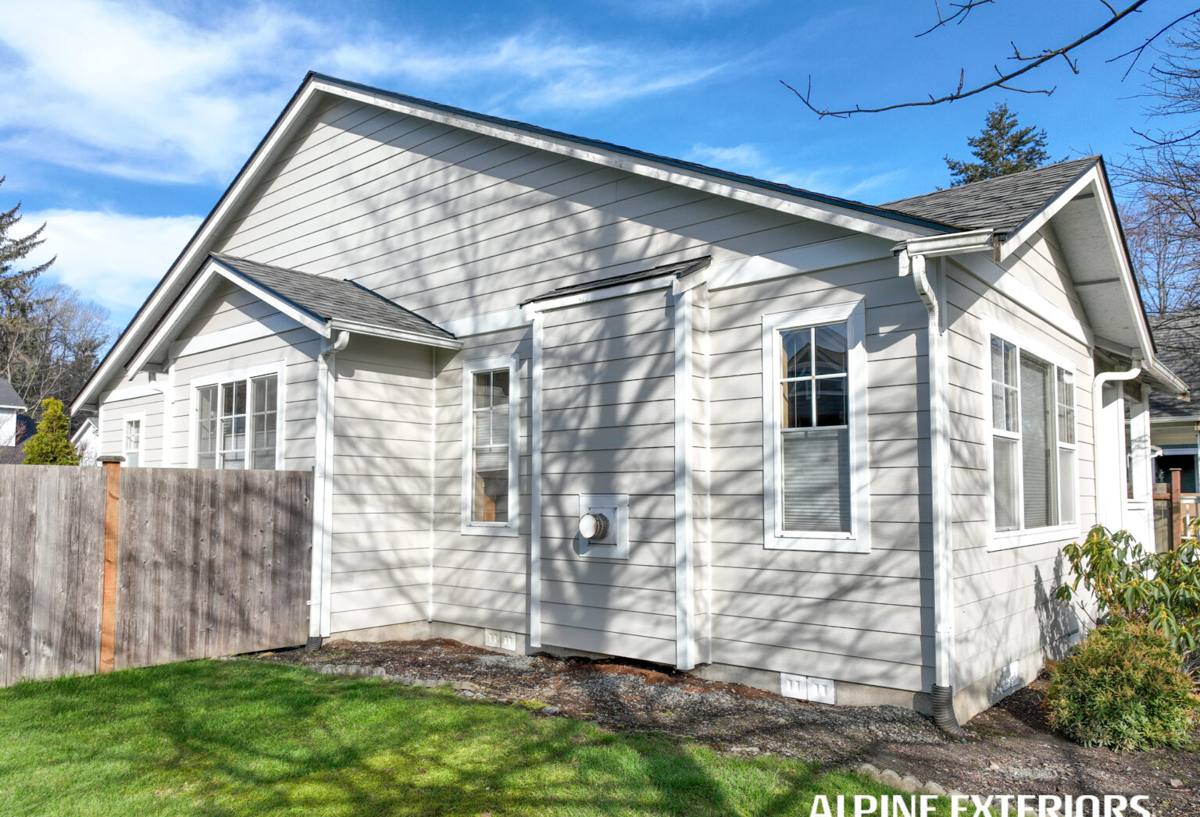
Why Bellingham's Climate Is Hard on Cordata Roofs
Salt Air and Metal Fatigue
Cordata isn't waterfront, but it's close enough to Bellingham Bay that salt-laden air still reaches roofs here, especially on the north and west-facing slopes. Salt air accelerates corrosion on exposed metal — flashing, nail heads, vent stacks, and gutter hardware — faster than inland Whatcom County properties see. A roof that looks fine from the ground can have flashing that's already rusting through at the seams.
Driving Rain and Wind-Driven Water
Bellingham doesn't just get a lot of rain — a good share of it comes in at an angle during winter windstorms. Wind-driven rain finds every weak lap, every under-sized overlap, and every place where flashing depends on caulk instead of proper shingle work. On a standard shingle roof, that means valleys, roof-to-wall transitions, and low-slope sections are where leaks actually start, even though the field of the roof looks intact.
Moss Season Runs Long
Shaded, moisture-holding roofs in Cordata's tree-lined streets grow moss nearly year-round, with the worst growth in the wet months from fall through spring. Moss isn't just cosmetic — it holds water against the roofing material, lifts shingle edges as it grows, and works its way under laps over time. A roof with heavy moss coverage is aging faster than its calendar age suggests, whether or not it's leaking yet.
Signs a Cordata Roof Needs Replacing, Not Patching
- Granule loss heavy enough that you can see bare, shiny patches on south- and west-facing slopes
- Moss coverage that comes back within a season or two of cleaning, especially on north-facing or shaded slopes
- Shingles curling, cupping, or losing their tab edges — a sign the asphalt has dried out and lost flexibility
- Rusted or lifting flashing at chimneys, skylights, and roof-to-wall junctions
- Daylight visible through the attic sheathing, or damp insulation after a storm
- Multiple past repairs in different spots — a pattern that usually means the roofing material itself is at the end of its service life, not just unlucky damage
- A roof original to a home built more than 20–25 years ago, even if it "looks okay" from the street
One or two of these on their own might mean a repair is enough. Several together, especially combined with the roof's age, usually means repair costs start competing with replacement cost without buying you much extra life.
What a Correct Roof Replacement Involves Here
Tear-Off and Deck Inspection
We remove the existing roofing down to the deck rather than layering over old material. That's the only way to actually see the sheathing underneath — soft spots, delaminated plywood, or old water staining that tells us where past leaks were. In a climate as wet as Bellingham's, skipping this step just hides problems under a new roof instead of fixing them.
Underlayment That Matches the Exposure
Given how much wind-driven rain and moss moisture Cordata roofs deal with, we don't treat underlayment as an afterthought. Synthetic underlayment across the full roof, with self-adhered ice-and-water membrane in valleys, along eaves, and around every penetration, gives the roof a real second line of defense if wind ever drives water past the shingles themselves — which it will, eventually, in this climate.
Flashing Done as Metal Work, Not Caulk Work
Chimneys, skylights, dormers, and roof-to-wall transitions get step flashing and counter-flashing installed as shingles go on, not sealant smeared over old metal. Caulk has a place as a supplement, but it's not a substitute for correctly lapped flashing — sealant degrades faster than metal, especially with the salt content in Bellingham's air.
Ventilation That Fits the Attic
Proper intake and exhaust ventilation keeps moisture from condensing in the attic during our long wet season and helps prevent ice-related backups during cold snaps. We check existing ventilation as part of the estimate rather than assuming the old setup was adequate — a lot of older Cordata homes were under-vented for how the attic is actually used today.
Moss-Resistant Details Where They Make Sense
On shaded slopes prone to heavy moss, we'll talk through options like zinc or copper strips near the ridge, which help suppress regrowth over time through normal rainfall runoff. It's not a cure-all, but it's a low-cost addition worth discussing for lots with heavy tree cover.
Material Choices for Cordata's Climate
There's no single "best" roofing material for every Cordata home — it depends on the home's style, budget, and how much long-term maintenance the owner wants to take on. Here's how the common options stack up against this specific climate:
| Material | Moisture & Moss Behavior | Typical Lifespan Here | Trade-Offs |
|---|---|---|---|
| Architectural asphalt shingles | Good with proper underlayment and ventilation; moss-resistant granule options available | 25–30 years | Best value; needs periodic moss/debris cleaning in shaded areas |
| Standing seam metal | Sheds water and moss very well; minimal moisture retention | 40–50+ years | Higher upfront cost; requires correct fastening detail to handle wind uplift |
| Cedar shake | Attractive but holds moisture in our climate; needs regular maintenance to resist moss and rot | 20–30 years with upkeep | Highest maintenance burden; not our default recommendation for heavily shaded Cordata lots |
| Composite/synthetic shake | Mimics cedar look with much better moisture resistance | 30–40 years | Higher material cost than asphalt; fewer installers experienced with it locally |
For most Cordata homes, a quality architectural asphalt shingle with correct underlayment and ventilation is the practical choice — it balances upfront cost, lifespan, and appearance well for this climate. Metal makes sense where a homeowner wants the longest possible service life and is comfortable with the higher initial investment.
What Roof Replacement Typically Costs to Plan For
Exact pricing depends on roof size, pitch, number of penetrations, deck condition, and material chosen — we won't quote a number without seeing the roof. In broad terms, a straightforward asphalt shingle replacement on an average Cordata home runs meaningfully less than a metal roof of the same size, while cedar or composite shake sits in between depending on the product line. Steeper pitches, multiple valleys, dormers, and chimneys all add labor time and material cost beyond the base square footage. The most reliable way to know what your specific roof will cost is a walk-through — which is exactly what a free estimate is for.
Our Process for Cordata Roof Replacements
- On-site inspection: We walk the roof and attic (not just a ground-level look) to check deck condition, ventilation, flashing, and moss/moisture patterns specific to your lot's sun and tree exposure.
- Written estimate: A clear scope and price — what's being torn off, what underlayment and flashing details are included, and material options with honest trade-offs.
- Scheduling around Bellingham weather: We plan tear-off and dry-in around the forecast so your home isn't left exposed during a wet stretch — a real consideration here, not a formality.
- Tear-off, deck repair, and dry-in: Old roofing comes off, any damaged sheathing gets replaced (documented and priced separately if it wasn't visible beforehand), and underlayment goes down the same day where possible.
- Installation and detail work: Shingles or panels, flashing, and ventilation components installed to manufacturer spec and matched to this climate's exposure.
- Final walk-through and cleanup: Magnetic sweep for nails, full debris removal, and a walk-through so you know exactly what was done.
Why a Crew That Already Works Cordata Matters
Roofing crews that mostly work drier or more sheltered inland areas sometimes under-spec underlayment and flashing because it hasn't failed them elsewhere. A crew that regularly works Cordata and the rest of Bellingham already knows which slopes hold moss longest, where wind-driven rain actually gets in, and how salt air ages metal flashing faster than the manufacturer's general guidance assumes. That local pattern recognition shows up in small decisions — an extra course of ice-and-water membrane in a valley, a flashing detail sized for wind-driven rain instead of just vertical rainfall — that don't cost much more but make a real difference in how long the roof performs.
It also matters for warranty follow-through and being reachable if a question comes up two winters later. A crew based in Whatcom County isn't traveling far to do a warranty check after a storm.
Questions to Ask Any Roofing Contractor Before You Hire
- Will you do a full tear-off, and will you actually inspect the deck before re-roofing?
- What underlayment and ice-and-water membrane are included, and where specifically will they be used?
- How is flashing handled at chimneys, skylights, and roof-to-wall transitions — metal work or sealant-dependent?
- Is attic ventilation part of the scope, or assumed to be fine as-is?
- What's the manufacturer warranty, and what's your own workmanship warranty on top of it?
- Can you provide proof of licensing, bonding, and insurance for work in Washington State?
If your Cordata roof is showing its age, dealing with recurring moss, or you just want an honest read on how much life it has left, we're glad to come take a look. The estimate is free, there's no pressure to book anything on the spot, and you'll get a straight answer about whether replacement makes sense now or repair can reasonably buy you more time. Use the form below to get started.