 Bellingham Siding
 Roof Replacement in Birchwood: Built for Bellingham's Climate
Birchwood homes deal with a specific combination of weather that's harder on roofs than most homeowners realize. Moist marine air off the Salish Sea, long stretches of driving rain through fall and winter, and a moss season that can run nearly year-round all work against a roof's ability to shed water and stay dry underneath. A roof replacement done right in this neighborhood isn't just about swapping old shingles for new ones — it's about building a roof system that's actually suited to Whatcom County conditions.
This page covers what a proper roof replacement looks like for Birchwood homes specifically: what the climate demands, what's involved in doing the job correctly, how our process works from first look to final walkthrough, and why working with a crew that already knows this neighborhood's housing stock and weather patterns matters more than it might seem.
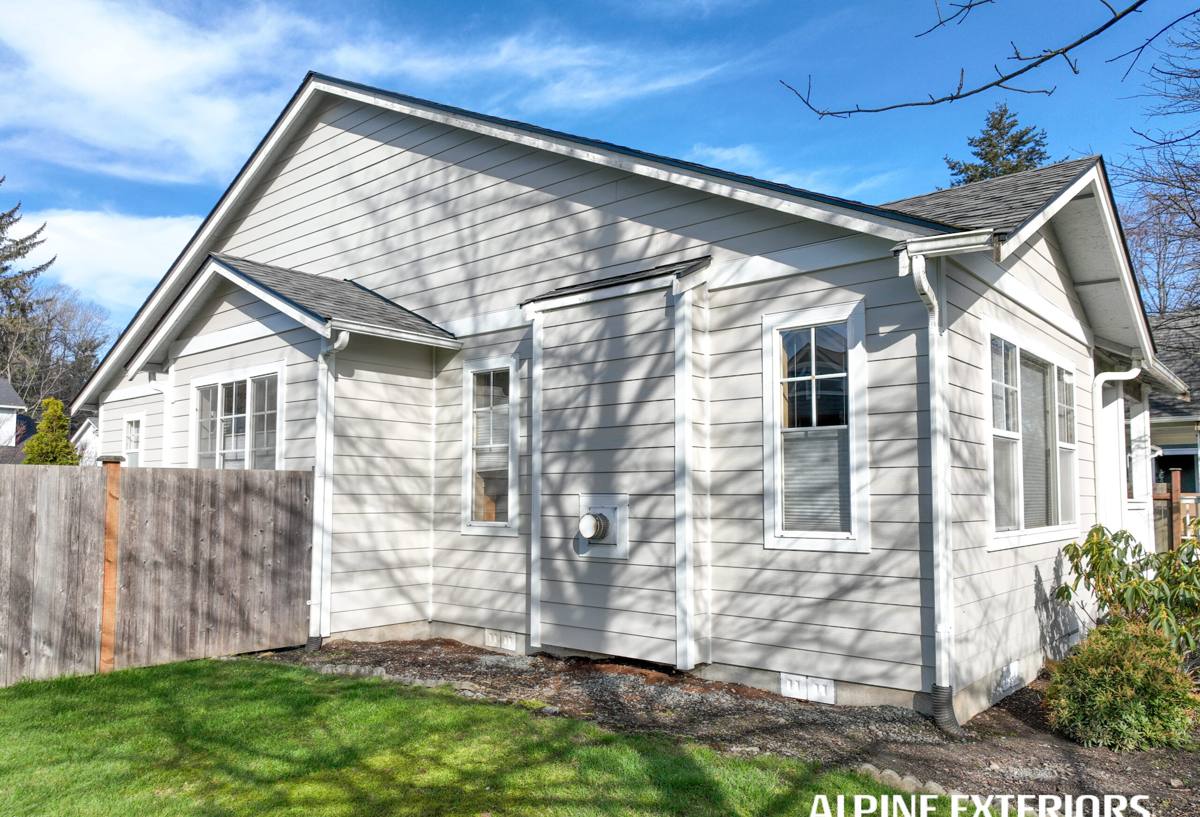
Why Birchwood's Climate Is Tough on Roofs
Bellingham sits close enough to the water that salt-laden air is a real factor for exposed metal components — flashing, fasteners, and vents — especially on homes with more open exposure toward the bay. Over years, lower-grade or uncoated metal can corrode faster here than it would further inland, which is one reason material choice matters as much as installation quality.
Driving rain is the bigger day-to-day concern. Wind-driven rain doesn't just fall straight down — it pushes sideways and upward under shingle edges, around roof penetrations, and into any gap in flashing or underlayment. A roof that would hold up fine in a drier climate can leak within a few seasons here if the underlayment, flashing details, and ventilation aren't built for wind-driven moisture.
Then there's moss. Birchwood's mix of mature trees and shaded rooflines, combined with cool damp air for much of the year, creates ideal moss and moisture-loving growth conditions. Moss isn't just cosmetic — it holds water against the roof surface, lifts shingle edges, and accelerates granule loss. Left unmanaged over a full roof lifecycle, it shortens that lifespan noticeably.
What This Means for a Replacement
- Underlayment needs to handle sustained moisture exposure, not just occasional rain
- Flashing details at valleys, chimneys, and wall intersections need to be built for wind-driven rain, not just gravity drainage
- Ventilation has to move damp air out of the attic efficiently to avoid condensation-driven rot from beneath
- Material and fastener choices should account for corrosion resistance given the coastal air
- Roof design and slope, where original construction allows for it, should minimize moss-friendly conditions
Signs a Birchwood Roof Needs Replacing, Not Just Repairing
Not every roofing issue calls for full replacement, but there's a point where patchwork stops making sense. In this climate, we typically see homeowners reach that point sooner than they expect, because moisture damage often starts underneath the visible roofing and isn't obvious until it's advanced.
| Sign | What It Usually Means |
|---|---|
| Granule loss and bald patches on shingles | Shingles are past their protective lifespan, especially common after years of moss growth |
| Soft or spongy spots on the roof deck | Water has reached the sheathing — a repair won't address the underlying rot |
| Persistent moss regrowth after cleaning | Shaded, damp conditions are outpacing maintenance — a design or material change may be needed |
| Daylight visible in the attic, or damp insulation | Active moisture intrusion, often more widespread than the visible leak point |
| Roof is 20+ years old with multiple past repairs | Materials are aging out together; further patching has diminishing returns |
If a roof is showing more than one of these signs, a full replacement is usually more cost-effective over time than continuing to chase individual repairs.
What a Correct Roof Replacement Involves
A roof replacement that's actually built for Bellingham's weather involves more steps than most homeowners see discussed. Skipping any of these is where roofs in this area tend to fail early.
Tear-Off and Deck Inspection
Old roofing has to come off completely so the deck underneath can be inspected. In a wet climate like this, hidden rot around chimneys, vents, and valleys is common even when the surface shingles look fine. Any damaged sheathing gets replaced before new roofing goes down — installing new shingles over a compromised deck just hides the problem.
Underlayment Built for Wind-Driven Rain
Given how often Birchwood sees sideways rain, underlayment selection matters. Self-adhering, water-resistant underlayment at eaves, valleys, and other vulnerable areas provides a real second line of defense if wind ever drives water past the primary roofing surface.
Flashing Done Right
Flashing around chimneys, skylights, dormers, and wall intersections is one of the most common failure points on any roof, and even more so with driving rain. Correct flashing work means new, properly lapped and sealed metal at every penetration and transition — not reusing old flashing to save time.
Ventilation That Matches the Home
Balanced intake and exhaust ventilation keeps the attic dry and temperature-regulated. In a humid coastal climate, poor ventilation contributes to condensation problems that can rot a deck from the inside even when the roofing above is sound.
Moss-Conscious Material and Detail Choices
Where the roof has heavy shade exposure, material choice and small design details (like copper or zinc strips at ridges, where appropriate) can meaningfully slow moss regrowth. We won't oversell any single product as a moss cure-all, since tree cover and shade are the real driver, but material choice does make a measurable difference in how often a homeowner has to deal with it.
Roofing Materials for Birchwood Homes
Material choice should be driven by the home's exposure, slope, and the homeowner's maintenance tolerance — not by trend. Here's how the common options stack up for this specific climate.
| Material | Coastal/Moisture Performance | Moss Resistance | Maintenance |
|---|---|---|---|
| Asphalt composition shingles | Good with proper underlayment and flashing | Moderate — benefits from periodic cleaning | Low to moderate |
| Metal roofing | Excellent when properly coated and fastened | High — sheds moisture quickly | Low |
| Cedar shake | Requires diligent maintenance in wet climates | Lower without regular treatment | High |
| Synthetic/composite shingles | Good, consistent performance | Moderate to high depending on product | Low |
Asphalt composition shingles remain the most common choice for good reason — modern products, properly installed with the right underlayment package, perform well here. Metal is a strong option on homes with heavier shade or moss history, since it doesn't hold moisture or organic debris the way shingles can. We're honest with homeowners about cedar shake specifically: it can look great, but in a climate with this much sustained moisture and shade, it demands more upkeep than most homeowners want to commit to, and that's a maintenance conversation worth having before, not after, installation.
Our Roof Replacement Process
- On-site assessment: We inspect the current roof, attic ventilation, and any visible moisture or moss issues specific to the home's exposure and tree cover.
- Straightforward estimate: We walk through material options and what they mean for cost, lifespan, and moss/moisture performance — no pressure, no upsell tactics.
- Tear-off and deck inspection: Full removal of old roofing, with any deck damage identified and addressed before new materials go down.
- Underlayment and flashing installation: Built to handle wind-driven rain at every vulnerable point, not just the open field of the roof.
- Roofing installation: Installed to manufacturer specification, with attention to ventilation balance and moss-conscious details where applicable.
- Final walkthrough: We review the completed work with the homeowner and answer questions about maintenance going forward.
Why Hire a Crew That Already Works Birchwood
Roofing work in Bellingham isn't identical to roofing work in a dry inland climate, and it isn't identical from one Bellingham neighborhood to the next either. A crew that already works in Birchwood understands the tree cover and shading patterns common to the area, has a feel for how homes here are typically built and vented, and knows which details tend to fail first under sustained coastal moisture. That local familiarity shows up in fewer callbacks and a roof that's actually built for what it'll face, not just built to a generic spec sheet.
It also matters for scheduling and responsiveness. Whatcom County's wetter months create real time pressure for tear-off work — a crew based locally can plan around weather windows more reliably than one traveling in from farther away.
A Practical Checklist Before You Replace
- Get a full attic inspection, not just a rooftop look, to check for hidden moisture or rot
- Ask what underlayment and flashing package is included at valleys, chimneys, and penetrations
- Confirm the ventilation plan — intake and exhaust balance, not just adding vents
- Discuss your home's shade exposure and what it means for moss going forward
- Get material options in writing with honest maintenance expectations for each
- Ask about warranty coverage for both materials and workmanship separately
Get a Free, No-Pressure Estimate
If your Birchwood home's roof is showing wear, moss buildup, or you're just not sure what condition it's in, we're happy to take a look. The estimate is free, there's no pressure to move forward, and you'll get a straight answer about whether repair or replacement makes sense for your situation. Fill out the form below to get started.