 Bellingham Siding
 Metal Roofing in Sehome: A Different Climate Problem Than Most Installers Admit
Sehome sits close enough to Bellingham Bay that salt-laden air is a real factor in how a roof ages, even on streets that feel well inland and tucked under mature trees. Add Whatcom County's long wet season, driving rain that comes in sideways off the water, and months of shade and moisture that keep moss thriving, and you have a set of conditions that punishes a poorly detailed roof fast. Metal roofing done right handles all of this better than almost any other material available to homeowners here. Metal roofing done wrong — cheap fasteners, skipped underlayment, corners cut on flashing — fails in exactly the ways this climate is best at exploiting.
We work on Sehome roofs regularly, alongside the rest of Bellingham and greater Whatcom County, and the failures we get called out to fix are rarely dramatic. They're slow: a fastener that backed out and let water track down a purlin, a valley that wasn't lapped correctly and backs up during heavy rain, moss that held moisture against a panel seam until it finally corroded through. None of that is a mystery. It's a product of installation shortcuts meeting a climate that never really dries out.
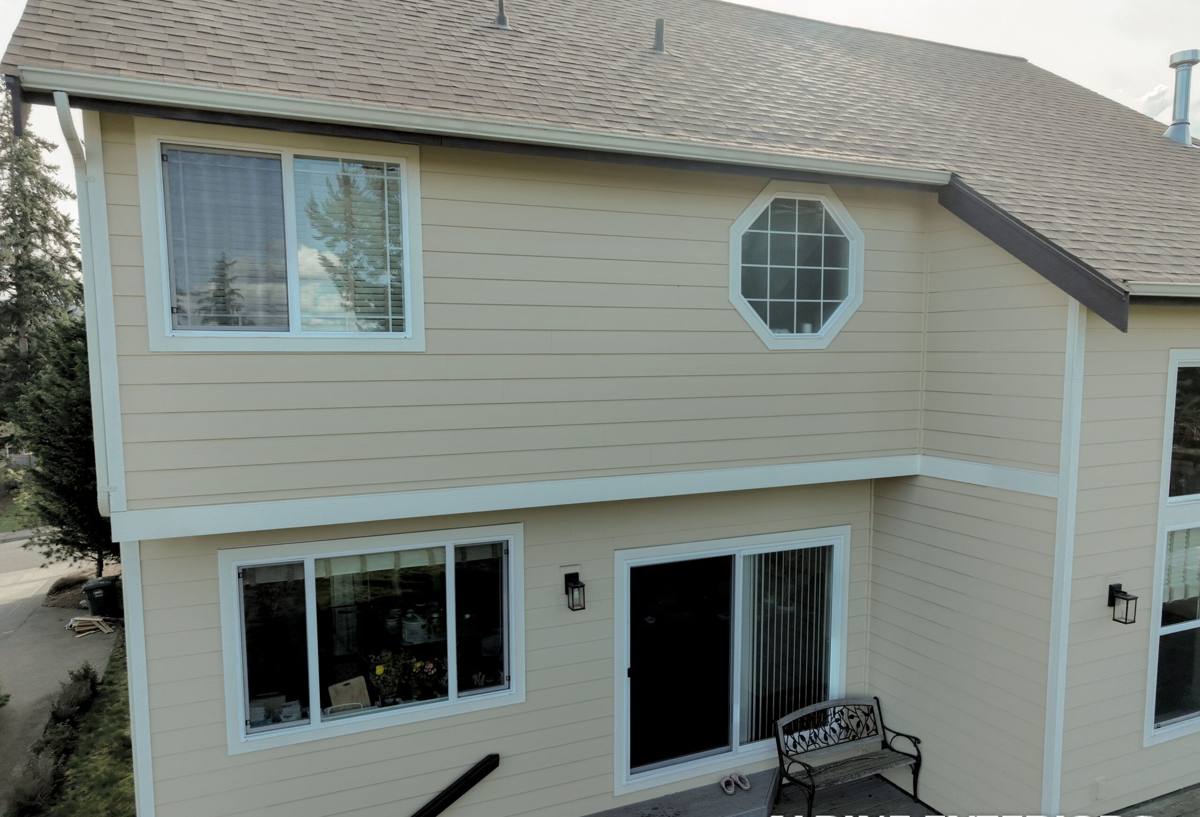
What Sehome's Microclimate Actually Does to a Roof
Salt Air
Proximity to Bellingham Bay means airborne salt settles on exterior surfaces, including roofing, even a few miles inland. Salt accelerates galvanic corrosion, especially at fastener heads, cut edges, and anywhere two dissimilar metals touch. It's not enough to ruin a roof in a year, but over a couple of decades it separates a properly specified metal roof from one that was installed with the wrong fastener coating or mismatched flashing metal.
Driving Rain
Storms off the Strait and the Sound don't just fall straight down here — wind-driven rain pushes water sideways and upward under laps, into fastener penetrations, and behind poorly sealed flashing. A roof that would be fine in a drier, calmer climate can leak in Whatcom County simply because the underlayment and flashing details weren't built for wind-driven water.
Moss Season
Shade, moisture, and mild temperatures for most of the year make Bellingham prime moss territory. On a metal roof, moss isn't just cosmetic — it holds moisture against the panel surface and fasteners far longer than open air would, which is exactly the condition that speeds up corrosion and encourages granule or coating breakdown at seams.
Choosing a Metal Roofing System That Fits This Climate
Not all metal roofing is the same product wearing different colors. The system you choose changes how the roof handles water, wind, and long-term maintenance.
| System | How It Sheds Water | Best Fit | Trade-Offs |
|---|---|---|---|
| Standing Seam | Concealed fasteners, raised interlocking seams | Full roof replacements, homes wanting the longest service life | Higher upfront cost, requires skilled installation |
| Exposed Fastener Panel | Screws through the panel face into gaskets | Budget-conscious full replacements, outbuildings, additions | Fastener gaskets wear over time and need periodic checking |
| Metal Shingle/Shake Profile | Interlocking panels styled like shingles or shakes | Homes wanting a traditional look with metal's durability | More seams than standing seam, so detailing at valleys matters more |
For most Sehome homes, we lean toward standing seam when the budget allows, specifically because it has no exposed fasteners for salt air and moss to work on over time. Exposed fastener panels are a legitimate, lower-cost option, but they carry a real maintenance obligation — those fastener gaskets are a wear item, and in a climate this wet, they need to be checked rather than forgotten.
What a Correct Installation Actually Involves
The panel itself is the part homeowners see. The part that determines whether the roof performs for 40-plus years is almost entirely hidden.
- Underlayment: A full synthetic or self-adhering underlayment, not a bare minimum layer, especially at eaves and valleys where wind-driven rain concentrates.
- Fastener selection: Corrosion-resistant fasteners matched to the panel metal — mismatched metals create galvanic corrosion that salt air accelerates.
- Flashing at penetrations and valleys: Every pipe boot, chimney, skylight curb, and valley is a place water concentrates. These need to be flashed with materials compatible with the panel metal, not whatever was on the truck.
- Ventilation: A metal roof over an unventilated or poorly ventilated attic traps moisture underneath, which causes problems from the inside out rather than the outside in.
- Panel layout and seam direction: Panels run with the prevailing wind and rain direction in mind, not just whatever layout uses the least material.
Skip any one of these and the panels can look perfect from the street while the roof is quietly failing underneath.
How Our Process Works, Start to Finish
1. On-Site Assessment
We walk the roof (weather permitting) and the attic, checking current ventilation, decking condition, and any existing moss or moisture staining that points to a problem area.
2. Honest Scope and Estimate
We tell you what your roof actually needs — full tear-off versus overlay where code and roof condition allow, which system fits your budget and home, and what the real cost drivers are. No inflated scope, no pressure to upsell a system you don't need.
3. Material Order and Scheduling
Metal roofing is typically ordered to the job's exact measurements, so we schedule installation around lead times and give you a realistic window, including how we plan around Whatcom County's rain patterns.
4. Installation
Tear-off (if applicable), decking inspection and repair as needed, underlayment, flashing, panel installation, and ridge/trim work, in that order, with each layer checked before the next goes on.
5. Cleanup and Walkthrough
Magnetic sweep for stray fasteners, full site cleanup, and a walkthrough so you understand what was done and what maintenance, if any, the system requires going forward.
Moss, Trees, and Ongoing Maintenance
Sehome's tree cover is part of what makes it a nice place to live, and it's also the reason moss and organic debris are a recurring issue on roofs there. A correctly installed metal roof resists moss far better than composition shingles, but it isn't immune, especially in persistently shaded sections of a roof plane.
The practical maintenance list is short:
- Keep gutters clear of needles and leaves so water doesn't back up under eave flashing
- Trim back branches that keep a section of roof in constant shade and moisture
- Address moss with a soft-wash approach rather than pressure washing, which can damage panel coatings and force water under seams
- Have fastener gaskets on exposed-fastener systems checked every few years if that's the system you chose
What This Costs and Why the Range Is Wide
Metal roofing costs vary by system, roof complexity, and current roof condition. Rather than quote a single number that won't apply to your house, here's what actually moves the price:
| Factor | Why It Matters |
|---|---|
| System type | Standing seam runs higher than exposed fastener panel for material and labor |
| Roof complexity | Valleys, dormers, and multiple planes add flashing work and labor time |
| Tear-off vs. overlay | Removing an existing roof adds cost but is often the right call for long-term performance |
| Decking condition | Rot or damage found once old roofing is removed adds repair cost |
| Ventilation upgrades | Adding or correcting attic ventilation during the job is cheaper than doing it later |
We'd rather walk your specific roof and give you real numbers than throw out a broad estimate that doesn't hold up once we're actually up there.
A Practical Checklist Before You Hire Anyone
- Ask which metal roofing systems they regularly install, and why they'd recommend one for your specific roof
- Ask what underlayment and fastener spec they use, and whether it's matched for coastal/salt-air conditions
- Ask how they handle valleys and penetrations specifically, since that's where most leaks originate
- Confirm licensing, insurance, and manufacturer certification for the specific product line they're installing
- Ask what warranty covers workmanship separately from the manufacturer's material warranty
Why Hiring a Crew That Already Works in Sehome Matters
A roofing crew that regularly works Bellingham and Whatcom County neighborhoods like Sehome already knows how the local climate behaves on a roof, not just in theory but from having gone back to fix roofs that weren't built for it. That means fewer surprises during the estimate, fewer change orders mid-project, and a system spec that's already accounting for salt air, driving rain, and moss before the first panel goes up. It also means we're a known, reachable local business if you ever have a question or a maintenance need down the road, not a crew that came through once from out of the area.
If you're weighing a metal roof for your Sehome home, we're happy to come take a look, walk you through what your roof actually needs, and give you a straightforward estimate with no pressure attached.