 Bellingham Siding
 Window Replacement Built for Lynden's Climate
Lynden sits close enough to the water and the marine weather patterns that move through Whatcom County that windows here take a different kind of beating than windows a hundred miles inland. Salt-laden air corrodes hardware faster than most manufacturers plan for. Driving rain, pushed sideways by wind off the Strait and the bay, finds every gap in a poorly sealed frame. And the long, damp moss season here — often eight months or more of the year with enough moisture in the air to keep organic growth going — means anything that traps water against wood or vinyl becomes a problem eventually, not maybe.
Window replacement in this area isn't just a cosmetic upgrade. It's weatherproofing work first, and looks second. A window that's beautiful but installed without the right flashing, sealant, and drainage detailing will leak within a few wet seasons. We've built our process around what actually holds up here, not what looks good on a spec sheet in a dry climate.
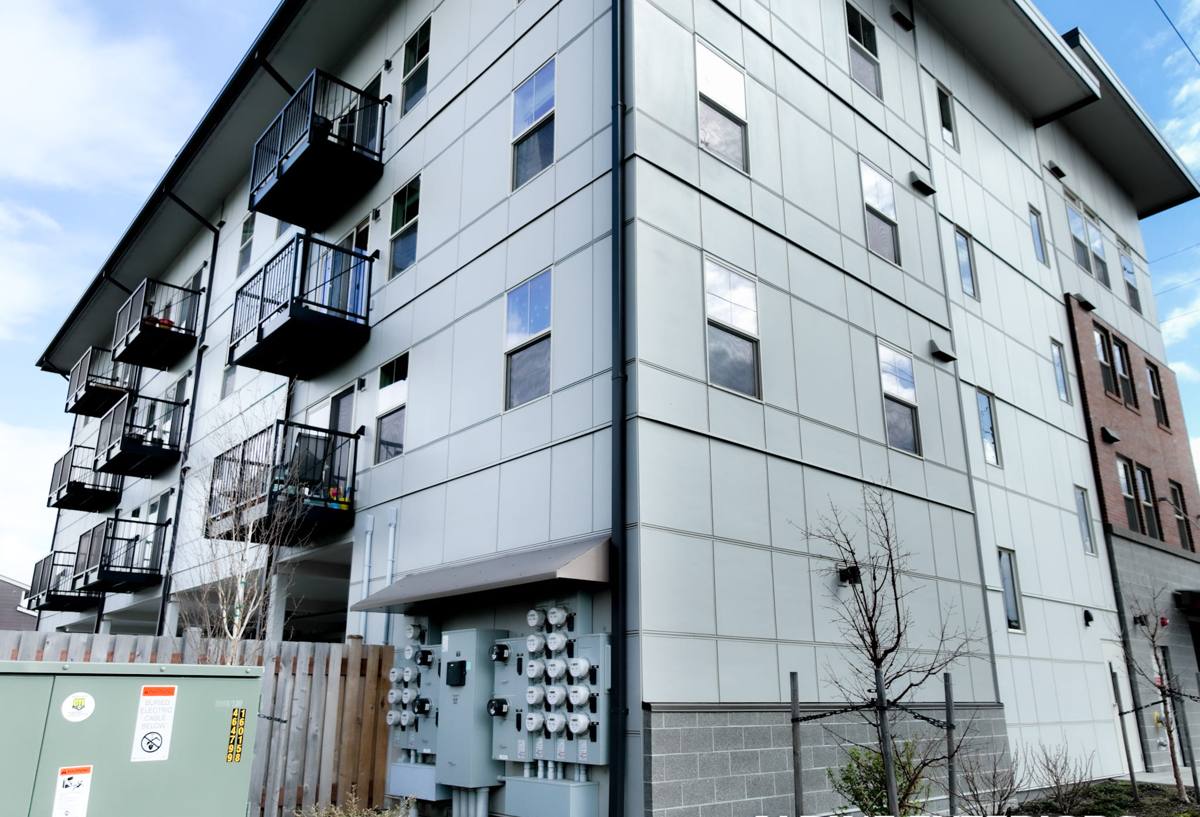
What Lynden Homes Need From Their Windows
Moisture Management, Not Just a Seal
A new window is only as good as the flashing and drainage plane behind it. In Whatcom County's wet-weather pattern, water will find its way to the window opening eventually — the question is whether it has somewhere to go once it's there. We install with proper sill pan flashing and weather-resistant barrier integration so that any moisture that does get past the exterior finish drains back out instead of sitting against your framing.
Wind and Driving Rain Resistance
Homes on more exposed lots around Lynden catch wind-driven rain that pushes water horizontally, not just down. That means standard installation details that work fine in a sheltered spot can fail here. We pay close attention to head flashing and the top of the window opening, since that's where wind-driven rain problems usually start.
Corrosion-Resistant Hardware
Salt air in the atmosphere, even well inland from open water, accelerates corrosion on cheap hinges, locks, and balance mechanisms. We steer toward hardware with better corrosion resistance for coastal and near-coastal installs, because replacing a window's operating hardware five years in is a bill nobody wants.
Moss and Algae Considerations
Moss doesn't grow on glass, but it grows on the sills, trim, and cladding around a window, and if that growth is holding moisture against your siding or trim, it's putting pressure on the window seal from the outside. Part of doing this job right is making sure the trim and flashing details around the new window don't create a ledge or pocket where moss and debris collect.
Signs It's Time to Replace, Not Repair
- Fogging or moisture between panes on double- or triple-glazed units — the seal has failed and it won't clear up
- Soft or discolored wood at the sill or corners of the frame
- Windows that are difficult to open, close, or lock, especially after damp weather
- Visible daylight or a noticeable draft around the frame when it's windy
- Rising heating bills with no other clear cause
- Paint or finish that's peeling from the inside out around the frame — often a sign of trapped moisture
- Rot or staining on the interior or exterior trim surrounding the window
Not every one of these means full replacement is mandatory today, but they're all worth a look. Sometimes a repair buys a few more years; sometimes the frame itself is compromised and repair is just delaying the inevitable at greater cost.
Our Window Replacement Process
1. On-Site Assessment
We look at each window opening individually — not every window on a house fails the same way or needs the same solution. We check for rot, examine the current flashing (or lack of it), and note how exposed each opening is to wind and rain.
2. Product Selection
We walk through frame material, glazing options, and performance ratings based on your budget and how exposed your home is. There's no single "right" window for every house in Lynden; a sheltered window on a covered porch has different needs than one facing open weather.
3. Removal and Opening Prep
Old windows come out carefully to avoid damaging surrounding siding and trim more than necessary. Once the opening is exposed, we inspect the framing underneath — this is often the first time hidden rot or old water damage becomes visible, and it needs to be addressed before a new window goes in, not covered up.
4. Flashing and Weatherproofing
This is the step that determines whether the window lasts fifteen years or fails in three. Sill pan flashing, proper integration with the weather-resistant barrier, and correctly lapped head flashing all happen here, before the window is ever set in place.
5. Installation and Sealing
The window is set, shimmed level and plumb, fastened per manufacturer spec, and sealed with exterior-grade sealant rated for this climate — not a generic caulk that will dry out and crack after one or two Whatcom County winters.
6. Trim and Finish
Interior and exterior trim get reinstalled or replaced as needed, with attention to keeping water shedding away from the frame rather than pooling against it.
Frame Material Comparison for This Climate
| Material | Moisture Performance | Maintenance | Typical Fit for Lynden |
|---|---|---|---|
| Vinyl | Good — won't rot, handles damp cycling well | Low | Solid all-around choice for most homes |
| Fiberglass | Very good — dimensionally stable in temperature and moisture swings | Low | Strong option for exposed elevations |
| Wood | Requires diligent maintenance to prevent rot | High — regular refinishing needed | Best reserved for sheltered openings or homes committed to upkeep |
| Wood-clad (exterior clad, wood interior) | Good if cladding and flashing are done correctly | Moderate | A middle ground when wood interior look is wanted |
| Aluminum | Prone to condensation and corrosion near salt air unless thermally broken | Moderate to high | Generally not our first recommendation this close to the coast |
We don't push one material on every job. The right call depends on your home's exposure, your budget, and how much upkeep you want to take on down the road.
Cost Factors to Understand Before You Budget
| Factor | Why It Moves the Price |
|---|---|
| Frame material | Vinyl is generally the most budget-friendly; fiberglass and wood-clad run higher |
| Number of windows | Whole-house projects typically bring a better per-window cost than one-off replacements |
| Hidden rot or framing damage | Discovered during removal — can't always be quoted until the opening is exposed |
| Glazing package | Double vs. triple pane, low-E coatings, and gas fill all affect cost and performance |
| Opening size and shape | Custom or oversized openings cost more than standard sizes |
| Exposure level | Highly exposed elevations may call for upgraded flashing details, which adds labor |
Broadly, homeowners in this area should expect a range depending on how many windows, what material, and what condition the existing openings are in. We give an honest number after we've actually looked at your windows — not a phone-quote guess.
Why Hire a Crew That Already Works Lynden
A contractor who works across Whatcom County regularly sees how windows actually perform here over years, not just how they're rated on paper. We know which installation shortcuts cause callbacks in this climate and which details are worth the extra time. That local pattern recognition — this sill detail leaks on north-facing walls, this trim style holds moss, this hardware corrodes early near open exposure — comes from doing the work here repeatedly, not from a general installation manual.
We also understand permitting and code expectations that apply locally, and we show up prepared for the weather window we're actually working in, which in this part of Washington often means planning around rain rather than around it.
Maintaining Your New Windows
- Rinse frames and hardware periodically to reduce salt and moss buildup, especially on exposed elevations
- Keep weep holes clear of debris so water can drain as designed
- Inspect exterior sealant annually and re-caulk any cracked or separated joints promptly
- Trim back vegetation that keeps foliage or moss in constant contact with window trim
- Operate locks and hardware periodically even on windows you don't open often, to keep mechanisms from seizing
Get an Honest Look at Your Windows
If your windows are fogging, drafty, hard to operate, or just old enough that you're wondering, it's worth having someone look who actually knows how windows perform in this climate. We'll walk your home, tell you honestly what needs replacing now, what can wait, and what your options are — no pressure, no upsell. Reach out below for a free estimate.