 Bellingham Siding
 Deck Building for York Homes
York sits close enough to the water and the tree line that a deck here takes a different kind of beating than a deck in a drier inland climate. Between the salt-laden air drifting off the Sound, driving rain for a good chunk of the year, and a moss season that seems to start earlier every fall, an outdoor structure in this part of Whatcom County needs to be built — and maintained — with that reality in mind from day one. We build decks for York the way the climate actually demands, not the way a generic spec sheet says to.
A deck is one of the few home improvements that lives entirely outside, fully exposed, twelve months a year. Siding and roofing get some protection from overhangs and flashing details; a deck surface takes rain, UV, and standing moisture head-on. That's why the framing choices, fastener selection, and drainage details matter so much more here than they would somewhere with a milder, drier climate.
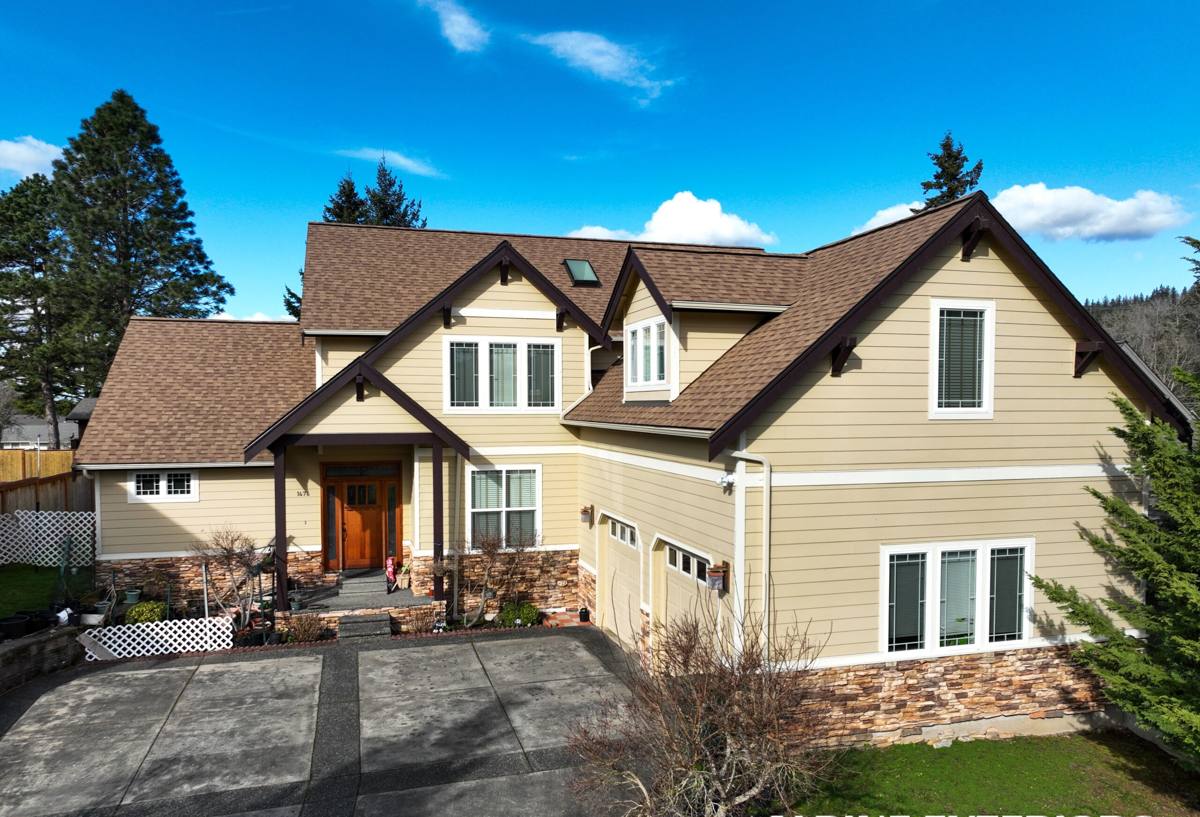
What the York Climate Does to a Deck
Moisture and Rot
Bellingham gets a long wet season, and York's proximity to open water and tree cover means decks here often stay damp longer after a storm than decks in more exposed, sun-drenched parts of town. Untreated or poorly sealed wood framing — especially at ledger boards, joist ends, and post bases — is where rot starts. Once moisture gets trapped between boards or behind flashing, it doesn't dry out fast, and by the time it's visible on the surface, the damage underneath is usually further along.
Moss and Algae
A long moss season isn't just a cosmetic issue. Moss and algae hold moisture against the decking surface and can make boards slick and dangerous underfoot, particularly on shaded portions of a deck or under overhangs. Decking material, board spacing, and surface texture all affect how much moss takes hold and how easy it is to keep off.
Salt Air and Metal Fasteners
Homes closer to the water deal with salt-laden air that accelerates corrosion on anything less than fully rated hardware. Standard fasteners or connectors that would hold up fine further inland can start showing rust and weakening well before their expected service life in a coastal-influenced area like York. Fastener and hardware selection isn't a place to cut corners here.
What a Correctly Built Deck Involves
A deck that's going to hold up in this climate isn't just a matter of nailing boards to joists. The parts that don't show are usually what determine whether the deck lasts fifteen years or thirty-five.
- Ledger board flashing that actually sheds water away from the house rim joist, not just a bead of caulk
- Joist tape or comparable protection over the tops of framing lumber to slow moisture absorption
- Corrosion-resistant, rated fasteners and structural connectors — especially important this close to salt air
- Post bases set to keep wood off grade and away from standing water
- Proper board spacing and airflow underneath to let the structure dry out between rain events
- Grading and drainage around footings so water isn't pooling against posts
- A decking material choice that matches how much sun, shade, and foot traffic the space actually gets
Skip any one of these and the deck may still look fine for a season or two — the problems that show up in wet coastal climates tend to be slow and structural, not immediate.
Decking Material Options for This Climate
There's no single right answer for every deck — it depends on budget, how much maintenance the homeowner wants to do, and how exposed the deck is to shade, moisture, and moss. Here's how the common options compare for a York-area install.
| Material | Moss/Moisture Resistance | Maintenance | Typical Lifespan |
|---|---|---|---|
| Pressure-treated lumber | Good if sealed and maintained; needs re-treating | Annual cleaning/staining recommended | 15-20 years with upkeep |
| Cedar | Naturally rot-resistant, but softens faster in shaded/damp spots | Periodic sealing to maintain appearance and resistance | 15-25 years depending on exposure |
| Composite decking | Very good — doesn't absorb moisture like wood | Periodic washing to keep moss/algae from gripping the surface | 25-30+ years, varies by product warranty |
| PVC decking | Excellent — fully moisture-resistant material | Low; occasional cleaning | 25-30+ years, varies by product warranty |
Composite and PVC products cost more up front but trade ongoing maintenance labor for a higher purchase price — a fair trade for a lot of homeowners who don't want to be re-sealing a deck every couple of years in a climate that doesn't give the wood much time to dry between storms. Wood decks aren't a bad choice; they just come with a real maintenance commitment that has to be kept up, especially in a moss-prone, shaded yard.
Framing and Substructure — The Part That Really Matters
Most deck problems we get called out to inspect aren't decking-surface problems — they're substructure problems that eventually show up as surface problems. A soft spot near the house, a rail post that's gone spongy, a joist that's sagging slightly: these almost always trace back to moisture getting into framing that wasn't protected or flashed correctly at the start.
For a York deck, that means treating the ledger connection to the house as the single most important detail on the project. It's also the spot most prone to water intrusion if it's not flashed correctly, because it sits right against the building envelope. We flash it the way we'd want it done on our own house — properly lapped, sealed, and inspected before decking goes down over it, not assumed to be fine because it looks tight from below.
Our Process for a York Deck Build
1. On-Site Assessment
We look at sun exposure, shade patterns, drainage on the lot, and how close the structure is to moisture sources — including how much tree cover or water proximity is affecting the specific spot the deck will sit. This shapes both the material recommendation and the framing details.
2. Honest Material Conversation
We'll walk through the real trade-offs between wood and composite/PVC options for that specific location — not just cost, but how much maintenance the homeowner is realistically going to keep up with, given how shaded or exposed the deck will be.
3. Framing and Flashing Done Right
Ledger flashing, joist protection, corrosion-resistant hardware, and proper post footing depth and drainage — all specified for this climate, not a generic build sheet.
4. Decking, Railing, and Finish Details
Board spacing set for airflow and drainage, railing installed to code, and finish work done cleanly so the deck looks as good as it performs.
5. Walkthrough
We go over the finished deck with the homeowner, including what maintenance (if any) the chosen material needs going forward, so there are no surprises a year or two down the road.
Why a Crew That Already Works York Matters
A contractor who builds decks across a wide range of climates might default to standard, one-size-fits-all specs. A crew that already works in York and the surrounding Bellingham area knows which yards hold moisture longer, which spots stay shaded most of the day, and how much of a head start moss gets on a north-facing deck versus a sun-exposed one. That local pattern recognition shows up in small decisions — fastener grade, joist tape, board spacing — that add years to a deck's life without adding much to the cost.
It also matters for permitting and code compliance, which varies by jurisdiction within Whatcom County. A crew already familiar with local requirements for railing height, footing depth, and setback rules moves through that process without the delays that come from learning it project by project.
Maintenance: What to Expect After the Build
No deck material in this climate is entirely maintenance-free, though some need far less than others. A short list of what to expect:
- Wood decks: annual cleaning, periodic sealing or staining, and prompt attention to any soft or discolored boards
- Composite/PVC decks: periodic washing to prevent moss and algae buildup, especially in shaded areas
- All decks: keeping gutters and nearby drainage clear so water isn't draining directly onto or under the deck
- All decks: an occasional check of the ledger flashing and any visible fasteners for early signs of corrosion or gaps
Staying ahead of these small items is what keeps a deck's structure sound for decades instead of needing early repair.
Get a Straight Answer for Your Property
Every yard in York has its own mix of sun, shade, and drainage, and that affects what deck build makes sense. If you're planning a new deck or replacing one that's showing its age, we'll take a look, walk you through honest material and framing options for your specific spot, and give you a straightforward estimate — no pressure, no upsell. Fill out the form below to get started.