 Bellingham Siding
 Building a Deck That Actually Belongs in Sunnyland
Sunnyland is one of Bellingham's older, established residential neighborhoods, with a mix of home ages and a lot of variation in how past additions and outdoor structures were built. A deck project here isn't the same job as a deck project in a dry inland climate. Whatcom County sits close enough to Bellingham Bay that salt-laden air, wind-driven rain, and a moss season that can run half the year all work against wood, metal, and even some composite products faster than most manufacturers' literature accounts for. A deck built to a generic national spec will show its age here in a handful of years. A deck built for this specific climate can last decades.
This page is about one thing: custom deck construction and replacement for Sunnyland homeowners, and what it actually takes to get it right given where you live.
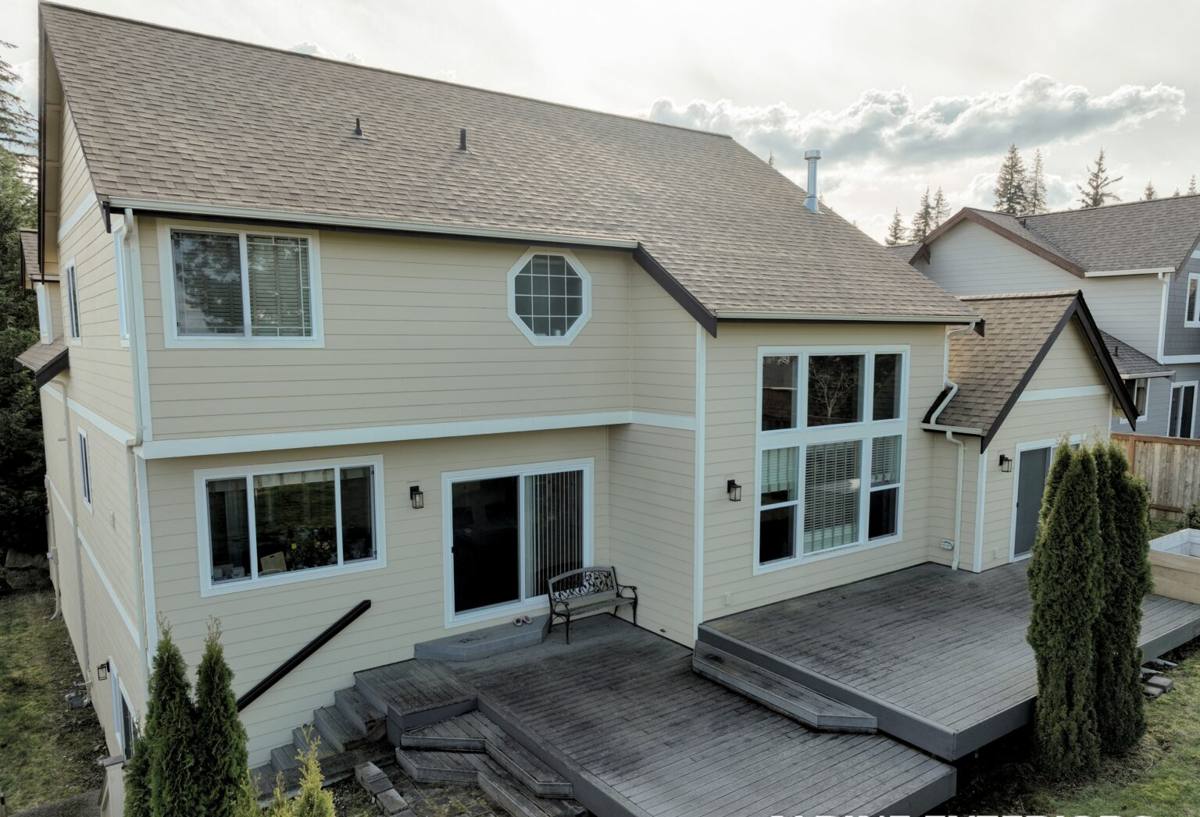
What This Climate Does to a Deck
Three conditions drive almost every decision we make on a Sunnyland deck build:
Salt Air
Proximity to the bay means airborne salt settles on exposed metal fasteners, brackets, and hardware. Standard electro-galvanized screws and nails corrode faster near the coast than they do twenty miles inland. Once a fastener starts rusting, it weakens, stains the decking around it, and eventually fails structurally — often long before the decking itself is worn out.
Driving Rain
Rain here doesn't just fall straight down. Wind pushes it sideways and up under overhangs and into joints that would stay dry in a calmer climate. Any horizontal surface where two boards meet, where a deck meets the house, or where a post meets a footing is a place water will find a way into if it isn't detailed correctly.
A Long Moss Season
Shade, moisture, and mild temperatures give moss and algae a long growing window on north-facing and heavily shaded decks. Beyond being unattractive, moss holds moisture against the decking surface, feeds wood rot, and turns boards slick and dangerous underfoot — a real liability issue on stairs and landings.
What a Correctly Built Deck Needs Here
None of this means decks don't work in Bellingham — they're everywhere in Sunnyland. It means certain details matter more here than they would in a drier region:
- Corrosion-resistant fasteners. Stainless steel or heavy hot-dip galvanized fasteners rated for coastal exposure, not the cheapest box at the hardware store.
- Proper ledger flashing. The board that attaches the deck to your house is the single most common source of rot in Pacific Northwest deck failures. It has to be flashed correctly, not just bolted on.
- Gapped, ventilated decking. Boards need room to shed water and dry out between rain events, whether the material is wood or composite.
- Drainage under the deck. Standing water beneath a low deck accelerates rot in framing that's already hard to inspect and hard to replace.
- Footings set to the correct depth. Frost heave and settling soil both move a deck that isn't footed properly, which eventually racks railings and opens gaps at the house connection.
The Ledger Connection: Where Deck Meets Siding
This is where our background as a siding contractor actually changes the outcome of a deck project. The ledger board — the piece that ties the deck framing to your house — passes through your home's exterior wall assembly. If the flashing at that connection isn't integrated correctly with the house wrap or building paper behind your siding, water gets directed straight into your wall framing instead of away from it. You won't see it happening. You'll see it years later as soft siding, staining, or a soft spot in the floor near the sliding door.
A lot of deck-only crews are very good at framing and decking but don't spend their days thinking about wall assemblies, water-resistive barriers, and how siding sheds water. We do, because it's the other half of our business. When we tie a new deck into your house, we treat that connection with the same care we'd use flashing a window or a siding transition — because structurally, that's exactly what it is.
Choosing a Decking Material for This Climate
There's no single "best" decking material — there's a best material for your budget, your maintenance appetite, and how much sun or shade your deck gets. Here's the honest comparison we walk homeowners through:
| Material | Upfront Cost | Maintenance | How It Handles This Climate |
|---|---|---|---|
| Pressure-treated wood | Lowest | Annual cleaning, periodic sealing | Affordable and strong, but needs consistent upkeep to resist moss and moisture staining in shaded spots |
| Cedar | Moderate | Regular sealing to hold color and resist moisture | Naturally more rot-resistant than treated wood, but still needs maintenance in a wet climate |
| Capped composite | Higher | Occasional washing, no sealing or staining | Resists rot and doesn't absorb water the way wood does, though it still needs airflow underneath to shed moisture and can grow surface moss in deep shade if never cleaned |
| PVC decking | Highest | Lowest — occasional washing | Fully synthetic, doesn't absorb moisture at all, best option for consistently shaded, damp locations |
Shaded, north-facing decks under mature trees are common in Sunnyland, and they're exactly where moss becomes a maintenance headache regardless of material. If your deck site doesn't get much sun, that's a real factor in which material makes sense — we'll be straight with you about it rather than just selling the most expensive option.
Footings, Framing, and Bellingham Permits
Custom decks in the City of Bellingham require a building permit in most cases, and the permit process specifies footing depth, spacing, and inspection points. In this region, footings typically need to sit well below the frost line and on undisturbed or properly compacted soil — the exact depth depends on your lot and will be set by the permit, not guessed at on site. We pull permits and schedule inspections as part of the job rather than treating it as optional paperwork, because a deck that isn't permitted can complicate a future home sale and isn't covered the same way if something goes wrong structurally.
Framing itself should use lumber rated for exterior structural use, joist hardware rated for the fastener corrosion concerns above, and connections sized for the actual load the deck will see — not just what's easiest to build.
Railings, Stairs, and Code Minimums
Guardrails, baluster spacing, and stair rise-and-run are all governed by code, not preference, once a deck reaches a certain height off grade. We build to those minimums as a floor, not a ceiling — a code-compliant railing that's also solid underfoot matters more once moss and rain make surfaces slicker for a good part of the year. Stair treads in particular deserve attention to surface texture and drainage in a climate where a slick step in December is a real fall risk, not a hypothetical one.
How We Approach a Sunnyland Deck Project
- On-site walkthrough to assess your existing structure (if replacing a deck), the ledger connection to your house, sun and shade exposure, and drainage.
- Honest conversation about material options and what they'll actually cost to own over time, not just to build.
- Design and permit drawings sized to your space, your household's use of the deck, and Bellingham's permit requirements.
- Demolition of the old structure (if applicable) with attention to what condition the ledger and framing were actually in — this often tells us things the surface never showed.
- Framing, ledger flashing tied into your siding's water-resistive barrier, footings, and structural connections.
- Decking, railings, and stairs installed to code minimums or better.
- Final walkthrough and permit close-out inspection.
Living With a Deck in Whatcom County
Even a well-built deck needs some seasonal attention here. A short, honest maintenance checklist for Sunnyland homeowners:
- Sweep debris out of gaps between boards regularly — trapped leaves and needles hold moisture against the decking.
- Clean moss and algae off the surface at least once a year, more often on shaded decks, using a deck-safe cleaner rather than a pressure washer set high enough to gouge the wood.
- Check the ledger area and any spot where the deck meets the house yearly for staining, soft wood, or gaps in caulking or flashing.
- Reseal wood decking on the schedule the product actually needs — usually every one to three years depending on sun exposure.
- Inspect fasteners and hardware periodically for rust streaks, which are an early warning sign, not a cosmetic issue.
- Keep gutters and downspouts near the deck clear so roof runoff isn't dumping extra water onto or under the structure.
Why Local Experience Actually Matters Here
Deck plans and building codes don't change block by block, but the practical realities of a specific site do. A crew that already works in Sunnyland and the surrounding Bellingham neighborhoods has seen how homes of this area's typical vintage were originally built, where past additions tend to have cut corners on flashing, and how exposure and tree cover on a given lot affect moss and moisture. That's not something you get from a crew driving in from out of the area for a single job — it's something you get from doing this work, on houses like yours, repeatedly, in this exact climate.
If you're planning a new deck or need to replace one that's showing its age, we're happy to take a look and give you a straight assessment — no pressure, no obligation. Request a free estimate below and we'll walk the site with you.