 Bellingham Siding
 Board & Batten Siding for Cordata Homes
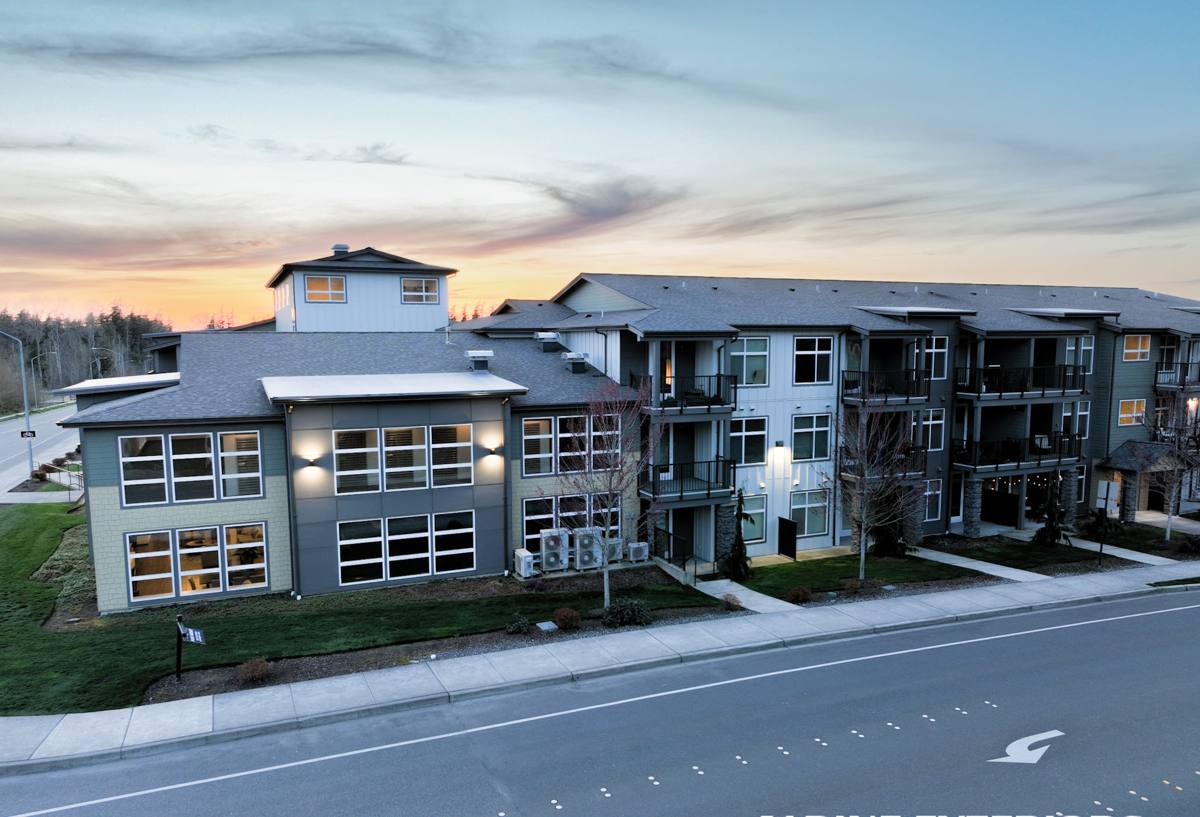
Cordata sits in north Bellingham, close enough to the water that salt-laden air is a real factor in how exterior materials age, and far enough into the Whatcom County rain belt that siding here spends more months wet than dry. Board and batten has become a popular choice in this part of town — it reads as clean and modern on newer builds, and it pairs well with the mixed traditional-and-contemporary styles going up around Cordata's newer subdivisions. But the vertical board-and-batten look is only as good as what's behind it. Get the drainage plane, flashing, and fastening wrong, and this style traps water instead of shedding it. Get it right, and it's one of the most durable, low-maintenance exterior treatments you can put on a Whatcom County home.
This page covers what board and batten siding needs to hold up in Cordata specifically, what a correct installation looks like, and why we install it only in James Hardie fiber cement.
What Bellingham's Climate Does to Vertical Siding
Vertical siding styles like board and batten have long vertical seams and battens that create shadow lines — visually distinctive, but each seam and batten is a potential water path if it isn't detailed correctly. Three regional conditions make this a bigger deal in Cordata than it would be in a drier climate:
Salt Air
Bellingham's proximity to Bellingham Bay and the Salish Sea means airborne salt reaches homes well inland, including north Bellingham neighborhoods like Cordata. Salt air accelerates corrosion of fasteners, staples, and any exposed metal flashing, and it degrades paint film and caulk faster than it would inland. Any batten system relying on painted wood, exposed staples, or standard fasteners is fighting an uphill battle here.
Driving Rain
Storms off the Pacific push rain sideways, not just down. On a vertical siding profile, wind-driven rain gets forced against and up under battens and panel edges in a way it wouldn't on a flat lap siding. Without a proper rainscreen gap and correctly lapped water-resistive barrier (WRB), that moisture works its way behind the siding rather than running off the face.
Moss Season
Whatcom County's wet season runs long — often eight months or more of consistently damp conditions. Shaded lots, common on tree-lined streets around Cordata, stay damp even longer. Moss and algae take hold on any siding surface that doesn't dry out between rain events, and untreated or absorbent materials give moss more to grip. A dense, factory-finished fiber cement surface resists this far better than raw wood or many painted composites.
Why We Install Board & Batten Only in James Hardie Fiber Cement
Board and batten can be built from several materials — cedar, primed spruce, engineered wood, vinyl panels, and fiber cement all show up on Whatcom County homes. We install James Hardie exclusively, and on a style as moisture-exposed as board and batten, the reasoning is straightforward:
- Non-combustible core: Hardie's fiber cement doesn't feed a fire the way wood-based products can, which matters for insurance conversations as much as safety.
- Dimensionally stable: Fiber cement doesn't swell, cup, or split the way wood and some engineered wood products can when they take on repeated wetting and drying cycles — exactly the cycle Bellingham's climate produces.
- Factory-cured ColorPlus finish: The finish is baked on at the factory rather than field-applied, so it resists fading, chipping, and the moss-friendly texture that field-painted or bare wood can develop over time.
- Climate-engineered HZ formulation: Hardie's HZ10 product line is engineered for the Pacific Northwest's freeze-thaw and moisture profile specifically, rather than a one-size-fits-all national spec.
- Warranty that transfers: A strong, transferable manufacturer warranty matters on a style where a poor install can hide problems behind the boards for years.
We don't install board and batten in vinyl, primed spruce, or cedar — not because those materials have no merit, but because on a vertical profile in this climate, the long-term maintenance burden and moisture risk aren't a trade-off we're willing to put our name on.
What a Correct Board & Batten Installation Actually Involves
The finished look of board and batten hides almost all of the work that determines whether it lasts. A correct install in a climate like Cordata's includes:
Drainage Plane and Rainscreen Gap
A continuous, correctly lapped water-resistive barrier goes on first, with all seams and penetrations sealed. Behind the siding itself, a rainscreen gap — typically furring strips or a vented mat — lets any moisture that does get past the face siding drain and dry rather than sitting against the sheathing.
Flashing at Every Transition
Windows, doors, roof lines, and any horizontal trim need correctly integrated flashing, not caulk alone. Caulk fails over time, especially with the temperature swings and UV exposure vertical siding sees; flashing is the permanent line of defense.
Fastener Pattern and Material
Board and batten needs a specific fastener schedule to handle the wider panels and the wind load battens are meant to resist. Given the salt air in this area, corrosion-resistant fasteners rated for the application are non-negotiable — standard fasteners will bleed rust through the finish within a few years.
Batten Spacing and Attachment
Battens need consistent spacing (both for appearance and for even water shedding) and correct attachment into structural framing or properly blocked sheathing — not just into the panel itself.
Bottom Edge and Ground Clearance
The bottom termination of board and batten siding needs proper clearance from grade, decks, and paved surfaces, plus a drip cap or starter detail that keeps splash-back and standing moisture off the cut edge of the material — one of the most common failure points on any vertical siding job.
Board & Batten Style Options
| Approach | How It's Built | Best Fit |
|---|---|---|
| True Board & Batten | Wide vertical boards with narrower battens covering the seams | Farmhouse, craftsman, and modern-farmhouse styles common around Cordata's newer construction |
| Reveal Panel | Flush vertical panels with a shadow-line reveal instead of raised battens | Clean, contemporary elevations, often as an accent alongside lap siding |
| Mixed Elevation | Board & batten on gables or accent walls, lap siding on the main field | Homeowners who want the look without full-elevation cost, or want to break up a large façade |
All three are available in James Hardie fiber cement, and all three need the same underlying drainage-plane and flashing discipline described above — the visual style changes, the moisture management doesn't.
Cost Factors for a Cordata Board & Batten Project
| Factor | Why It Moves the Price |
|---|---|
| Full elevation vs. accent areas | Full-wall board and batten costs more in material and labor than using it as a gable or accent feature |
| Existing siding removal | Tear-off, disposal, and sheathing repair on older homes adds time before new siding goes up |
| Trim and window count | More flashing detail work at openings means more labor hours |
| Access and lot conditions | Shaded, tree-heavy, or sloped lots common around Cordata can add setup and staging time |
| Color and finish selection | Standard ColorPlus colors vs. premium or custom finishes affect material cost |
We give a firm, itemized quote after walking the property — we don't work from square-footage guesses over the phone.
Our Process
- On-site assessment: We inspect existing siding, sheathing condition, moisture history, and the specific exposures on your lot — sun, shade, wind direction, and drainage.
- Design and material selection: We help you choose between true board and batten, reveal panel, or a mixed-elevation approach, along with color and trim.
- Written, itemized estimate: No vague per-square-foot number — you see what's included, from WRB and rainscreen to flashing and fasteners.
- Installation to manufacturer spec: Every install follows James Hardie's installation instructions for our climate zone, which is what keeps the warranty valid.
- Final walkthrough: We review the finished work with you before calling the job complete.
Maintenance Checklist for Board & Batten in a Wet Climate
- Rinse siding annually to remove pollen, salt residue, and early moss growth before it establishes
- Keep gutters clear so overflow doesn't run down the face of vertical siding
- Trim back branches and shrubs that keep panels shaded and damp
- Inspect caulking at trim and window transitions yearly, even with correctly flashed details
- Watch the bottom edge of the siding near grade and decks for standing water or debris buildup
- Repaint is not required with ColorPlus finish, but touch-up paint should match Hardie's approved product if a repair is ever needed
Why Hire a Crew That Already Works Cordata
Board and batten installation isn't forgiving of guesswork, and a crew unfamiliar with Whatcom County's rain patterns, soil, and typical lot drainage is more likely to miss the details that matter here — batten spacing that looks fine on paper but traps water on a north-facing wall, or a rainscreen gap sized for a drier climate. Working across Bellingham neighborhoods including Cordata means we've already dealt with the local building department, the typical framing and sheathing conditions in homes of different ages here, and the specific way salt air and long wet seasons stress an exterior over years, not just at installation.
If you're weighing board and batten for a Cordata home, we're glad to walk the property, talk through the style options, and give you a straight, no-pressure estimate — free, with no obligation.