 Bellingham Siding
 Metal Roofing Built for Blaine's Coastal Conditions
Blaine sits right up against the water at the northern edge of Whatcom County, and that location shapes what a roof has to survive here. Salt-laden air moves inland off the coast, rain comes in sideways more often than it falls straight down, and the shoulder seasons stretch long and damp enough to grow moss on anything that stays wet for more than a day or two. A metal roof can handle all of that better than most materials, but only if it's specified and installed with this specific climate in mind. A metal roof panel, fastener, and coating system that works fine forty miles inland can start showing corrosion or leaks within a few years out here. We work in Blaine regularly enough to know which details matter and which are just extra cost.
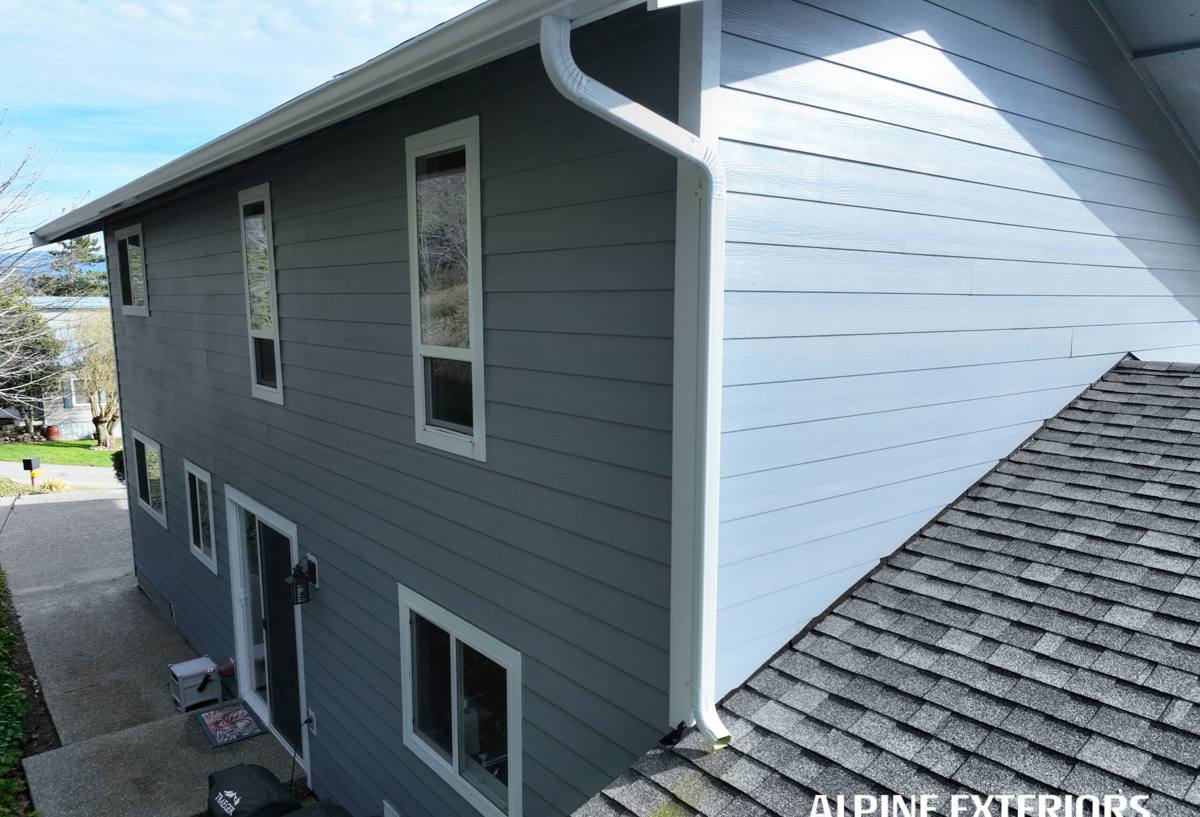
Why Blaine's Location Puts Extra Demands on a Roof
Salt Air and Corrosion
Airborne salt is corrosive to exposed metal, and it doesn't take direct ocean spray to matter — a steady coastal breeze carries enough salt to accelerate rust at fasteners, cut edges, and any spot where a coating has been scratched or worn thin. Cheaper coated steel panels and standard fasteners are more vulnerable here than they would be in a drier, inland part of Whatcom County. The fix isn't complicated, but it does mean paying attention to panel coating class and fastener material rather than defaulting to whatever's cheapest.
Driving Rain and Wind-Driven Water
Storms coming off the water tend to push rain sideways, not straight down. That matters for a metal roof because it means water can be forced uphill under panel laps, around penetrations, and into any seam that wasn't properly sealed or lapped. A roof that would shed water fine in a calm, straight-down rain can leak in Blaine's wind-driven storms if the underlayment, flashing, and seam details weren't built for that condition from the start.
Moss, Shade, and Standing Moisture
Whatcom County's long wet season, combined with tree cover common on many Blaine lots, keeps roofs damp for extended stretches. Moss doesn't damage metal the way it damages shingles, but it does trap moisture against the surface, hold debris in valleys and at panel laps, and accelerate coating breakdown over time if it's left to build up. A metal roof reduces moss risk compared to asphalt shingles, but it doesn't eliminate it, especially on shaded slopes or low-pitch sections.
What a Correctly Installed Metal Roof Actually Includes
"Metal roof" covers a wide range of quality, and the difference between a roof that lasts decades and one that leaks within a few years usually comes down to details that aren't visible once the job is done.
Underlayment and Moisture Barrier
Metal panels are not the only thing keeping water out — a synthetic or self-adhered underlayment underneath handles the moments when wind-driven rain gets past the panels themselves, and it's what protects the deck if a panel is ever damaged. In a climate like Blaine's, we don't treat underlayment as an afterthought; it's specified to handle sustained wet weather and the wind-driven rain events that come with a coastal location.
Fasteners and Flashing
Exposed-fastener panel systems rely on screws with rubber washers that compress to seal each penetration. Those washers degrade over time, faster in salt air, which is one reason we pay close attention to fastener material and washer quality rather than treating them as an interchangeable commodity. Flashing at valleys, walls, chimneys, and roof-to-wall transitions is where most metal roof leaks actually originate, not the field panels themselves, so these details get built to shed water in every direction wind can push it, not just straight downhill.
Panel Type and Seam Style
Standing seam panels use concealed fasteners and interlocking seams, which generally hold up better against wind-driven rain and salt exposure than exposed-fastener panels, because there are fewer penetrations for water and corrosion to work into. Exposed-fastener panels cost less up front and are a reasonable choice for some structures, but they carry more long-term maintenance in a coastal environment. We'll walk through both options honestly rather than steering every job toward the higher-cost system by default.
Comparing Metal Roofing Panel Options
| Panel Type | Fastening | Coastal Durability | Typical Maintenance |
|---|---|---|---|
| Standing seam | Concealed clips | Strong — fewer exposed penetrations | Low; occasional seam and flashing check |
| Exposed-fastener panel | Screws with washers | Good, if fasteners are upgraded for coastal use | Moderate; washers and fasteners need periodic inspection |
| Standard galvanized steel | Varies | Weaker in salt air without added coating | Higher; watch for early corrosion at cut edges |
| Aluminum | Varies | Strong — naturally corrosion-resistant | Low; won't rust, though it can dent more easily |
Our Process on a Blaine Metal Roofing Project
Inspection and Assessment
We start by looking at the whole roof system, not just the surface — deck condition, existing ventilation, valley and penetration locations, and how exposed the roof is to prevailing wind and salt-bearing air. On an older home, we're also checking whether the existing roof has trapped moisture that needs to be addressed before new material goes on top of it.
Tear-Off vs. Overlay
Metal can sometimes be installed over an existing roof, but we don't default to that just because it's faster. If the deck has moisture damage, or if an overlay would trap existing problems under new material, we'll recommend a full tear-off instead. That's a judgment call based on what we actually find, not a standard upsell.
Installation Day
Underlayment goes down first, followed by flashing at every valley, wall, and penetration, then the panels themselves, fastened and sealed according to the panel manufacturer's specifications and adjusted for local wind exposure. We pay particular attention to laps and seams on the windward side of the roof, since that's where wind-driven rain will test the work hardest.
Final Walkthrough
Once the roof is on, we walk the job with the homeowner, cover what maintenance (if any) the specific system needs, and make sure any warranty paperwork — both material and workmanship — is documented and handed over.
Maintenance in a Salt-Air, Moss-Prone Climate
A metal roof needs far less maintenance than shingles, but "low-maintenance" isn't "no-maintenance" in a climate like this one. A short annual check catches most problems before they become expensive.
- Clear debris and moss buildup from valleys and low-slope sections, especially under overhanging trees
- Check gutters and downspouts so water isn't backing up against panel edges or fascia
- Look at exposed fasteners for early rust or a washer that's starting to crack
- Inspect flashing around chimneys, vents, and wall transitions for gaps or sealant failure
- Rinse off salt residue on roofs closest to the water if visible buildup accumulates
- Watch for scratches or scuffs in the coating after any work done on the roof, and touch them up promptly
Repair vs. Replacement: When Each Makes Sense
Not every metal roof problem in Blaine means starting over. Isolated leaks are often traceable to a single flashing detail, a failed fastener washer, or storm damage to one section — all repairable without replacing the whole roof. Replacement makes more sense when corrosion has spread across multiple panels, when the underlying deck has taken on water damage, or when a roof was installed with materials that were never well-suited to a coastal environment in the first place. We'll tell you honestly which situation you're in rather than defaulting to the more expensive answer.
| Situation | Repair Usually Works | Replacement Usually Needed |
|---|---|---|
| Single leak at one flashing point | Yes | No |
| Scattered fastener corrosion | Yes, if caught early | Only if widespread |
| Coating failure across most of the roof | No | Yes |
| Deck moisture damage found underneath | Depends on extent | Often yes |
| Storm damage to a limited section | Yes | No |
Why a Crew That Already Works Blaine Matters
Roofing crews who mostly work drier, inland areas don't always think about salt exposure or wind-driven rain by default — it's not a mistake so much as a habit shaped by different conditions. A crew that regularly works Blaine and the surrounding Whatcom County coastline treats coastal-grade fasteners, upgraded flashing details, and wind-direction-aware seam work as standard practice, not an upsell. That local familiarity shows up in fewer callbacks and a roof that's actually built for the weather it's going to face, not just weather in general.
Getting an Honest Estimate
Every roof is different, and the right panel type, fastener spec, and detailing for your home depends on its exposure, pitch, tree cover, and current condition — not a one-size answer. If you're considering a metal roof for a home in Blaine, or want a second opinion on a system that's already showing wear, we're happy to take a look and walk you through the options honestly. Use the form below to request a free, no-pressure estimate.