 Bellingham Siding
 Why Birchwood Roofs Wear Differently Than Roofs Inland
Birchwood sits close enough to Bellingham Bay and the surrounding tree cover that its roofs take a different kind of beating than a roof twenty miles inland in Whatcom County. It's not one dramatic thing — it's the combination of salt-tinged marine air, wind-driven rain that comes in sideways off the water, and shade from mature conifers that keeps roof decks damp long after a storm has passed. Individually, none of those are unusual for western Washington. Together, on a specific roof, in a specific neighborhood, they change what "correct installation" actually means.
A shingle roof that would hold up fine in a drier, sunnier part of the state can underperform here if it's installed the same way. That's the whole point of this page: what Birchwood homes specifically need from an asphalt shingle roof, what a properly done job looks like, and why it matters to hire a crew that already understands this neighborhood rather than one working from a generic checklist.
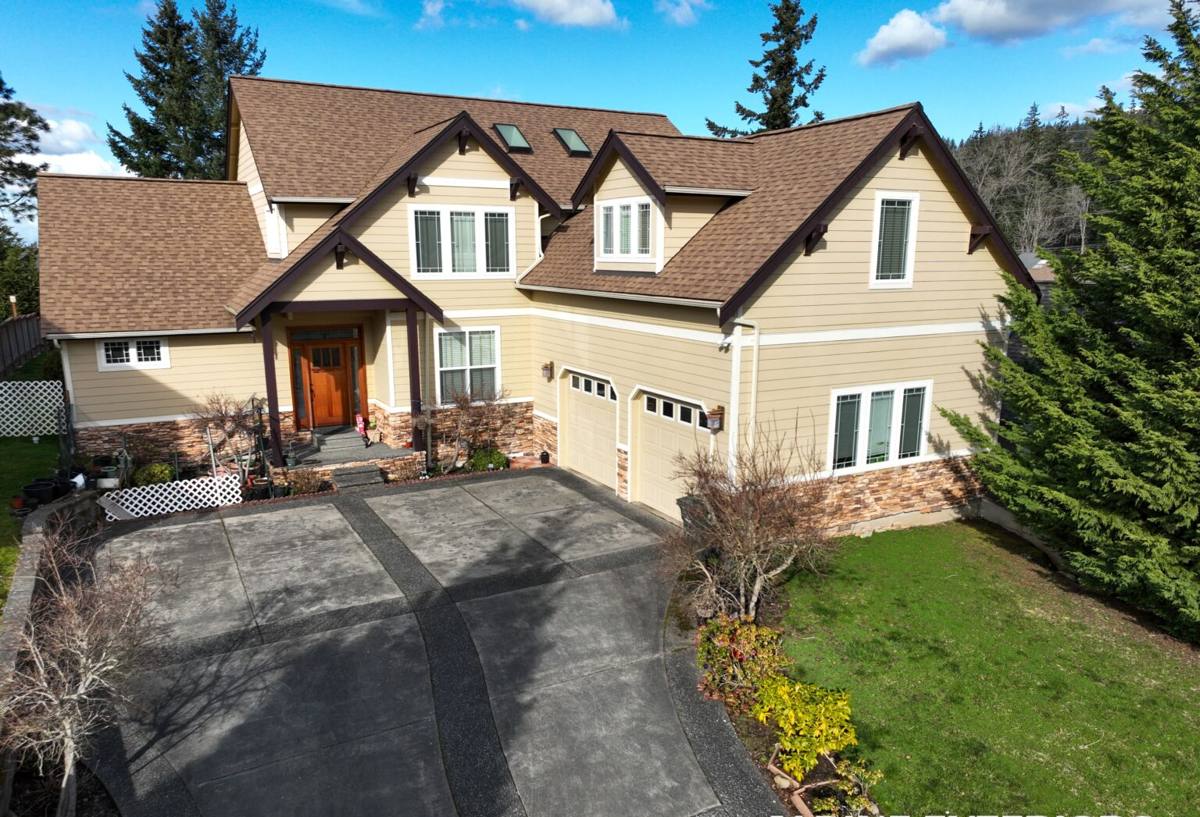
What Bellingham's Climate Does to Asphalt Shingles
Salt Air and Granule Loss
Asphalt shingles rely on their mineral granules for UV protection and fire resistance. Airborne salt from Bellingham Bay doesn't destroy shingles outright, but it accelerates the slow chemical breakdown of the asphalt binder underneath those granules, especially on roof faces that catch the prevailing wind. Over years, that shows up as faster granule loss and earlier fading than the same shingle would show in a landlocked county.
Driving Rain and Wind-Lifted Water
Whatcom County storms don't always fall straight down. When rain comes in at an angle, it can work its way under shingle tabs, into nail lines, and along flashing edges that would stay dry in a calmer climate. This is less about the shingle itself and more about everything underneath and around it — underlayment, flashing, and fastening — which is where most "shingle roof" leaks actually originate.
Moss, Shade, and a Long Wet Season
Birchwood's tree cover is part of what makes it a pleasant place to live, but it also means roofs here get less direct sun and stay damp longer after rain. That's exactly the environment moss needs. Left alone, moss holds moisture against the shingle surface, works into the granule layer, and can lift tabs enough to let water underneath — turning a cosmetic issue into a functional one if it goes unaddressed for several seasons.
What a Correct Asphalt Shingle Roof Installation Involves
A shingle roof is a system, not a single product. In a climate like this one, every layer matters more than it would somewhere drier. Here's what we consider non-negotiable on a Birchwood job:
- Full tear-off when needed — installing over old, saturated, or moss-damaged decking just traps problems under a new surface.
- Deck inspection and repair — any soft, delaminated, or water-stained sheathing gets replaced before anything else goes down.
- Ice-and-water shield at vulnerable points — valleys, eaves, and around penetrations, where wind-driven rain is most likely to find a way in.
- Synthetic underlayment across the full deck — a secondary water barrier that buys time if the shingle layer is ever compromised.
- Correct nailing pattern and fastener count — under-nailed shingles are one of the most common causes of early wind lift, and this region gets the wind to test it.
- New flashing at all penetrations, walls, and valleys — reused flashing is a false economy; it's usually the first thing to fail.
- Balanced intake and exhaust ventilation — keeps the attic dry and the shingle underside cooler, which slows aging from the inside out.
Choosing the Right Shingle for a Shaded, Salt-Exposed Roof
Not every asphalt shingle is built the same, and the right choice for Birchwood depends on how much shade and wind exposure a specific roof gets. We walk homeowners through the real trade-offs rather than pushing one product for every job.
| Shingle Type | Best Fit For | Trade-Offs to Know |
|---|---|---|
| 3-tab (economy) | Budget-driven projects, secondary structures | Lighter wind rating, shorter warranty, less algae resistance available |
| Architectural / laminate | Most Birchwood homes | Higher wind rating, longer warranty, more upfront cost |
| Algae-resistant (AR) granules | Shaded, tree-covered lots — most of Birchwood | Slight cost premium, but directly addresses this neighborhood's moss and algae exposure |
| Impact-rated (Class 4) | Homes with heavy tree cover and falling debris risk | Higher material cost, may qualify for insurance discounts |
For most homes in this part of Bellingham, we recommend a mid-to-upper-tier architectural shingle with algae-resistant granules as the baseline, then adjust up or down based on the specific tree cover, roof pitch, and budget for that house.
Our Process, Start to Finish
- On-site inspection. We look at the current roof, the deck condition, ventilation, and how the specific lot's shade and exposure have affected wear.
- Written estimate. Clear scope, material options, and pricing — no vague allowances buried in fine print.
- Scheduling around the weather. We plan tear-off and dry-in around Whatcom County's rain patterns so the deck isn't left exposed longer than necessary.
- Tear-off and deck repair. Old material comes off, sheathing is inspected, and anything compromised is replaced before we move forward.
- Underlayment, flashing, and shingle installation. Done in the sequence above, with attention to the details that matter most in this climate.
- Ventilation check. We confirm intake and exhaust are balanced for the attic size and roof design.
- Final walkthrough and cleanup. Site cleared of debris and nails, and we go over care basics before we leave.
Ventilation and Moisture: The Part Homeowners Don't See
A shingle roof can be installed perfectly on the surface and still underperform if the attic underneath isn't managed correctly. In a damp, shaded climate like Birchwood's, trapped attic moisture condenses on the underside of the roof deck, which can lead to rot, mold, and premature shingle failure from below — problems that have nothing to do with the shingles themselves but get blamed on them anyway. Balanced ventilation, matching intake at the eaves with exhaust at the ridge, keeps air moving through the attic space so moisture doesn't have anywhere to settle. This is a detail we check on every Birchwood project, not just new installations.
Living With Moss: Prevention Beats Removal
Given the tree cover common to this neighborhood, moss isn't a question of if but when. The goal isn't to eliminate it entirely — that's unrealistic in this climate — but to manage it before it starts holding moisture against the shingle surface.
Practical Moss Management
| Factor | Why It Matters |
|---|---|
| Zinc or copper strips near the ridge | Metal ions wash down with rain and slow moss regrowth across the roof face |
| Periodic soft washing | Removes established moss without damaging granules the way pressure washing can |
| Trimming overhanging branches | Increases sun exposure and airflow, the two things moss dislikes most |
| Keeping gutters clear | Backed-up gutters hold water against the roof edge, encouraging moss and rot |
Aggressive scraping or high-pressure washing can strip granules and shorten a shingle's life faster than the moss itself would. We recommend gentler, more frequent maintenance over occasional harsh treatment.
Why a Crew That Already Works in Birchwood Matters
A contractor who works this neighborhood regularly already knows which roof orientations catch the worst of the wind-driven rain, which streets sit under enough tree cover to need algae-resistant shingles as standard rather than upgrade, and how the City of Bellingham's permitting and inspection process actually runs in practice. That local familiarity shows up in small decisions — where extra flashing gets added, how ventilation gets balanced, which shingle line holds up best under salt exposure — that a crew unfamiliar with the area might not think to make. It also means faster response if a storm causes damage, since we're not driving in from out of the county.
Signs Your Birchwood Roof May Need Attention
A few honest warning signs worth checking, whether your roof is 5 years old or 25:
- Granules collecting in gutters or at downspout outlets
- Shingle tabs that look curled, cupped, or lifted at the edges
- Dark streaking or thick moss growth, especially on the shaded side of the roof
- Daylight visible in the attic, or damp insulation near the roof deck
- Missing or visibly damaged flashing around chimneys, vents, or skylights
Catching these early is almost always cheaper than waiting for an active leak, especially given how much moisture this climate holds against a roof for months at a time.
If you're weighing a repair against a full replacement, or just want an honest read on how much life is left in your current roof, we're happy to take a look. Estimates are free, there's no pressure to commit, and you'll get a straight answer about what your Birchwood home actually needs — just fill out the form below to get started.