 Bellingham Siding
 Metal Roofing in Sunnyland: Built for This Neighborhood's Weather
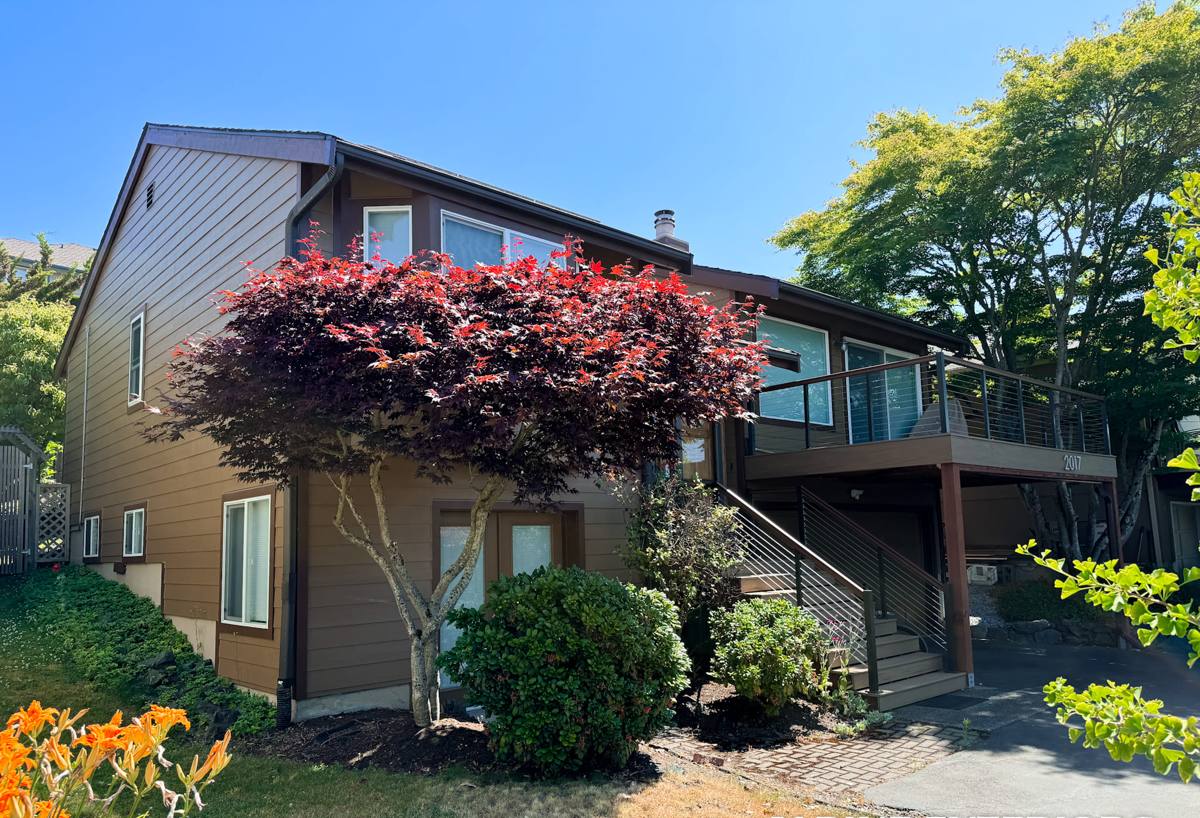
Sunnyland sits close enough to Bellingham Bay that salt-laden air is a real factor in how roofing materials age here, and it's shaded and tree-lined enough that moss, needle debris, and slow-drying surfaces are a year-round concern rather than a seasonal nuisance. Add Whatcom County's long wet season and the kind of driving, wind-pushed rain that comes off the Strait, and you've got a roofing environment that punishes shortcuts. Metal roofing, installed correctly, handles all three of those stressors better than most other roofing materials available to Sunnyland homeowners today. Installed poorly, it can trap moisture, corrode at the fasteners, or fail at the exact seams and penetrations that matter most in wind-driven rain.
This page is about what a metal roof needs to actually perform in Sunnyland specifically — not a generic rundown of metal roofing everywhere. We work this neighborhood regularly, so the guidance below reflects what we see on Sunnyland roofs, not a manufacturer brochure.
Why Sunnyland's Climate Changes the Job
Salt Air and Corrosion
Proximity to the bay means airborne salt settles on exposed metal, roofing fasteners, and flashing over time. This doesn't mean metal roofing is a bad fit — it means the specific alloy, coating, and fastener hardware matter more here than they would further inland. Marine-grade coatings and corrosion-resistant fasteners aren't an upsell in Sunnyland; they're the baseline for a roof that's supposed to last decades.
Driving Rain and Wind-Pushed Water
Bellingham's rain rarely falls straight down. Wind off the water pushes it sideways and up under laps, ridge caps, and anywhere a seam isn't detailed correctly. A metal roof's biggest advantage — its long, largely seamless panel runs — only holds up if the seams, penetrations, and edge details are done right. Most metal roof leaks we're called to inspect in this area trace back to flashing and fastening, not the panels themselves.
Moss, Shade, and Slow Drying
Many Sunnyland lots have mature tree cover, which is great for shade and privacy but means parts of the roof stay damp longer after a storm. Moss and organic buildup on a metal roof behave differently than on asphalt shingles — metal doesn't feed moss the way shingle granules can, but debris still needs to be cleared from valleys and low-slope transitions so water isn't held against the surface or fasteners.
What a Correct Metal Roof Installation Involves
A metal roof is only as good as the details underneath and around the panels. For Sunnyland homes, we pay particular attention to the following:
- A synthetic underlayment rated for the panel type, providing a secondary water barrier if wind-driven rain ever gets past a seam
- Ice-and-water shield or equivalent membrane at eaves, valleys, and any low-slope sections prone to standing water
- Corrosion-resistant fasteners matched to the panel material to avoid galvanic reaction, which accelerates failure in salt-air environments
- Properly lapped and sealed flashing at every penetration — chimneys, vents, skylights, and wall transitions
- Correct panel overlap and fastening pattern for the specific wind exposure of the site, not a one-size-fits-all spec
- Ventilation that keeps the underside of the deck dry, since trapped moisture under a metal roof causes deck rot regardless of how good the metal itself is
Skipping any one of these doesn't usually cause an immediate problem — it causes a slow one, showing up as a leak, a rust streak, or a soft spot in the decking a few years down the line.
Panel Types and What They Mean for Sunnyland Homes
Not every metal roofing profile performs the same in this climate. The table below compares the common options we install or discuss with Sunnyland homeowners.
| Panel Type | Salt Air Performance | Best Fit | Trade-Offs |
|---|---|---|---|
| Standing Seam | Strong — concealed fasteners reduce corrosion points | Full roof replacements, higher-visibility homes | Higher upfront cost, requires precise installation |
| Exposed-Fastener Panel | Moderate — fastener heads are exposed to weather and need periodic checks | Budget-conscious full replacements, outbuildings | Fasteners need re-torquing or replacement over the roof's life |
| Stone-Coated Steel | Good, with proper coating maintenance | Homeowners wanting a traditional shingle look | More complex flashing details, heavier than standard panel |
| Metal Shingle/Shake Panels | Good, similar to standing seam at the coating level | Matching a traditional aesthetic while gaining metal's durability | More seams than standing seam, so installation quality matters more |
For most Sunnyland homes exposed to bay air and prevailing weather, we lean toward standing seam or a quality stone-coated system, specifically because concealed or well-protected fasteners hold up better over time than fully exposed hardware. That said, the right choice depends on the roof's slope, exposure, and the look you're going for — it's a conversation, not a default recommendation.
Our Process for a Sunnyland Metal Roof Project
1. On-Site Assessment
We walk the roof and the attic or crawlspace where accessible, checking deck condition, existing ventilation, and any signs of past moisture intrusion. Sunnyland's tree cover and shaded sections get specific attention here, since those are the areas most likely to hold moisture.
2. Material and Detail Selection
Based on the assessment, we walk through panel type, coating, fastener hardware, and underlayment options — explaining the trade-offs in plain terms rather than pushing a single product line.
3. Tear-Off and Deck Inspection
Once the old roofing is off, we inspect the deck itself. Any soft, rotted, or water-damaged sheathing gets addressed before a single metal panel goes down — installing new roofing over a compromised deck just hides the problem.
4. Underlayment and Flashing First
This is the step that determines whether the roof survives its first real wind-driven storm. Underlayment, valley protection, and flashing all go in before panels, and they're installed to shed water in the direction it actually moves in a Sunnyland storm — not just straight downhill.
5. Panel Installation
Panels are installed to the manufacturer's fastening spec, adjusted for the site's wind exposure. Seams, ridge caps, and edge trim are set to handle sideways-driven rain, not just vertical runoff.
6. Final Walkthrough
We review the finished roof with the homeowner, point out anything worth knowing for future maintenance, and make sure questions are answered before we consider the job done.
Maintenance That Actually Matters Here
Metal roofing is low-maintenance compared to most materials, but "low" isn't "none," especially in Sunnyland's environment. A short, realistic maintenance checklist:
- Clear needles, leaves, and debris from valleys and low-slope areas at least once or twice a year, more often under heavy tree cover
- Have exposed fasteners (if that panel type was used) checked periodically for backing out or early corrosion
- Watch for streaking or discoloration near flashing points, which can indicate a coating or sealant issue before it becomes a leak
- Keep gutters clear so water isn't backing up under eave flashing during heavy rain
- After any major windstorm, a quick visual check of ridge caps and edge trim is worth the ten minutes it takes
Common Problems We See on Existing Sunnyland Roofs
When we're called out to look at an existing metal roof in this neighborhood, a few issues come up repeatedly. Fastener corrosion on older exposed-fastener panels is common, especially on roofs installed with standard hardware instead of marine-grade fasteners. Flashing failures around chimneys and skylights show up often, usually from sealant that was relied on instead of proper mechanical lapping. And debris buildup in shaded valleys leads to localized rust or granule staining on stone-coated panels where water sits longer than it should. None of these are reasons to avoid metal roofing — they're reasons to make sure the original installation and ongoing upkeep are done right.
Why a Crew That Already Works Sunnyland Matters
Roofing specs on paper look the same everywhere. What actually determines whether a metal roof performs for twenty-plus years is whether the crew installing it understands the specific exposure of the site — how the wind moves off the bay, which sections of a given lot stay shaded and damp longest, and which flashing details tend to get tested hardest by local storms. A crew that already works in Bellingham and Whatcom County has seen how these roofs hold up here specifically, not just in a training manual. That local pattern recognition is what prevents callbacks.
We also know this isn't a one-size-fits-all neighborhood. Lot size, tree cover, roof pitch, and exposure vary block to block in Sunnyland, and the right roofing decisions should reflect that rather than a standardized package.
Get a Straight Answer About Your Roof
If you're weighing metal roofing for a Sunnyland home, we're glad to take a look, walk you through what your specific roof needs given its exposure and condition, and give you a straightforward estimate — no pressure, no scare tactics. Use the form below to request a free estimate and we'll get back to you to schedule a time that works.