 Bellingham Siding
 Building Decks That Hold Up in Sehome's Climate
Sehome sits close enough to Bellingham Bay to catch salt-laden air, and its mature tree cover and hillside lots mean a lot of shade that never fully dries out between storms. That combination — moisture, shade, and salt — is hard on outdoor structures in a way that flatter, sunnier neighborhoods don't experience the same way. A deck built without that in mind will show it within a few seasons: soft spots near the house, green film on the boards, and fasteners that stain or loosen before their time.
We build and repair decks specifically with that in mind. That means choosing materials and details that shed water instead of trapping it, spacing and fastening that account for wood movement in a wet climate, and a layout that works with your lot's sun and shade instead of ignoring it. A deck is one of the few home features that lives entirely outside, fully exposed to Whatcom County weather twelve months a year — it deserves to be built like it.
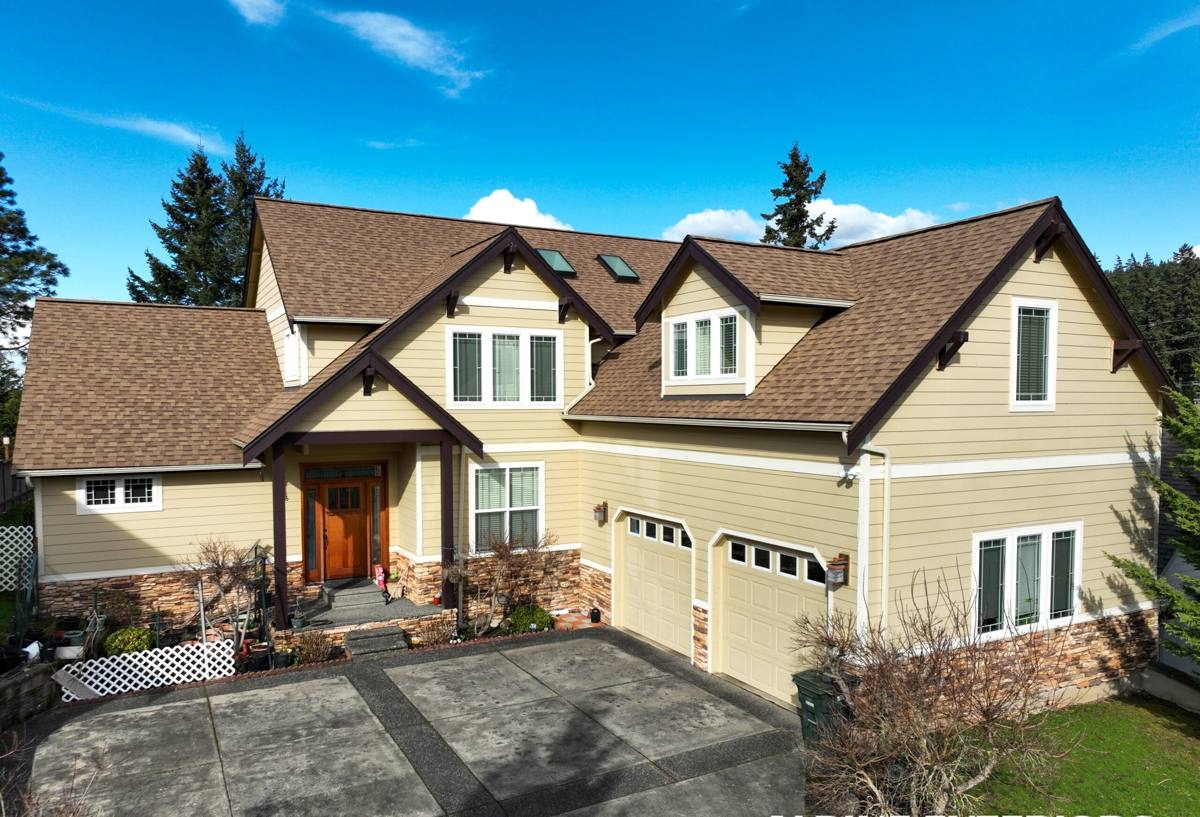
What Sehome's Terrain and Weather Actually Do to a Deck
Shade and Moss
Wooded, hillside lots like the ones common around Sehome hold shade for much of the day, especially in the fall and winter months when the sun sits low. Shaded decking stays damp longer after rain, and damp wood or composite surfaces are exactly what moss and algae need to take hold. Once moss establishes itself in the grain of a board or the grooves of a composite deck, it holds moisture against the surface and makes the boards slicker and, over time, softer.
Salt Air and Fasteners
Even a few miles inland, coastal air carries enough salt to accelerate corrosion on lower-grade fasteners and hardware. Screws, joist hangers, and structural connectors that aren't rated for it will streak, weep rust onto the decking, and weaken faster than they would in a dry inland climate.
Driving Rain and Water Intrusion
Bellingham's rain often comes sideways off the water, which pushes moisture into places a simple rooftop deck design wouldn't normally worry about — ledger board connections, stair stringers, and any spot where the deck meets the house. Flashing details that would be optional in a drier climate are not optional here.
What a Correctly Built Deck Needs in This Climate
- Properly flashed ledger board connection where the deck attaches to the house, so water is directed away from the siding and framing rather than into it
- Corrosion-resistant, coastal-rated fasteners and structural hardware throughout, not just at visible connections
- Decking material and gapping that allows airflow and drainage underneath, so boards can dry out between rain events instead of sitting wet
- Post bases and footings set to shed water rather than pool around the base of the support posts
- A surface texture and material choice that resists moss growth or at least makes it easy to clean off without damaging the boards
- Joist and beam spacing sized for the actual load and span, not just the minimum the decking manufacturer allows
Skipping any one of these usually doesn't show up as a problem right away. It shows up two, five, or eight years later as rot at the ledger, rusted hardware bleeding through the boards, or a deck surface that's green and slick from October through April.
Choosing the Right Decking Material for a Shaded, Damp Lot
There's no single "best" decking material for every home — it depends on how much sun the deck gets, how much upkeep you want to do, and your budget. For a shaded lot like a typical Sehome property, moisture and moss resistance matter more than they would on a sunny, open lot.
| Material | Upfront Cost | Moss/Moisture Resistance | Maintenance | Notes for Shaded Lots |
|---|---|---|---|---|
| Pressure-treated wood | Lowest | Fair — needs sealing | Annual cleaning and re-sealing | Most affordable, but shaded areas need more frequent cleaning to prevent moss |
| Cedar | Moderate | Good natural resistance | Periodic oiling or sealing | Naturally attractive and rot-resistant, but still benefits from airflow underneath in shade |
| Composite decking | Higher | Very good | Occasional washing | Won't rot, but can still grow surface moss in deep shade if not rinsed periodically |
| PVC/capped polymer | Highest | Excellent | Low — rinse as needed | Best moisture and moss resistance of the common options; higher upfront cost |
We'll walk through these trade-offs honestly during your estimate. A lot of Sehome homeowners land on composite or capped polymer for shaded decks specifically because it holds up better against the moss cycle, but a well-built cedar or pressure-treated deck with the right maintenance plan is a perfectly sound choice too.
Design Considerations Specific to Sehome Lots
Because so many lots in this area sit on a slope or under tree canopy, deck design here often has to solve problems that a flat, open-lot deck never encounters.
Working With Slope
Hillside lots frequently need taller support posts, additional bracing, or a multi-level deck design to make the space usable. That changes the engineering — taller posts need more bracing against wind and lateral load, and stairs need to be planned early rather than added as an afterthought.
Working With Shade
Where possible, we look at whether trimming sight lines or adjusting the deck's footprint can get it a bit more sun exposure, since even a modest increase in airflow and light can cut down significantly on how often moss becomes a problem. We're not in the business of recommending you remove healthy trees — but small adjustments to deck placement or railing style (open rail versus solid) can change how quickly a deck surface dries out.
Privacy and Sightlines
Wooded lots often already have natural privacy, which opens up design options — larger window walls of railing, fewer solid privacy screens — that a more exposed, open lot wouldn't allow.
Our Process for a Sehome Deck Project
1. On-Site Consultation
We walk the actual lot with you — the slope, the sun and shade pattern through the day, where water runs off the roof and yard, and how you want to use the space. This is where most of the design decisions above get made.
2. Design and Material Selection
We put together a design and a material recommendation based on what we saw on-site, with honest trade-offs on cost, maintenance, and durability — not just the highest-margin option.
3. Permitting
Most new decks and many deck replacements in Bellingham and Whatcom County require a building permit, particularly once you're above a certain height off grade or attaching structurally to the house. We handle that process as part of the job so you're not left tracking down inspections yourself.
4. Construction
Framing, flashing, and fastener choices are handled to the standard described earlier in this page — not the bare minimum code allows, but what actually holds up to this specific climate.
5. Final Walkthrough
We walk the finished deck with you, cover basic care and cleaning, and make sure you know what to watch for as the deck settles in through its first wet season.
Deck Repair: What We Commonly Find on Older Sehome Decks
Not every project is new construction. A lot of our work in this area is repairing or partially rebuilding decks that were built without the coastal, shaded-lot details in mind. Common issues we run into:
- Rot at the ledger board where flashing was missing or installed incorrectly
- Rusted or corroding fasteners bleeding stains onto the decking surface
- Soft, spongy boards in shaded sections that stayed wet far longer than sections in more sun
- Moss buildup that's gone from a surface nuisance to actually degrading the board material
- Undersized or under-braced posts on sloped sections that have started to shift
Some of these are cosmetic fixes. Others — especially ledger rot or shifting posts — are structural and worth addressing before they get worse. We'll always tell you honestly which category a problem falls into rather than upselling a full rebuild when a targeted repair will do.
Maintenance That Actually Matters in This Climate
Whatever material your deck is built from, a little seasonal attention goes a long way toward avoiding the moss and moisture problems this climate creates. A basic seasonal checklist:
- Sweep debris and fallen leaves off the deck regularly, especially in fall — trapped organic material holds moisture and feeds moss
- Rinse or lightly scrub shaded sections a couple of times a year, even if the rest of the deck looks clean
- Check the ledger board area and any spot where the deck meets the house for staining, softness, or gaps in flashing
- Inspect fasteners and hardware annually for rust streaking or loosening
- Re-seal or re-oil wood decking on the manufacturer's recommended schedule — don't wait until it looks dry and gray
- Confirm gaps between boards haven't clogged with debris, which blocks the drainage and airflow the deck was built with
Why It Matters to Hire a Crew That Already Works in Sehome
A deck built from a generic national playbook will meet code, but code is a minimum standard, not a climate-specific one. Crews who work regularly in Bellingham and around Whatcom County know which details matter here — the flashing, the fastener grade, the framing choices for shaded and sloped lots — because they've seen what happens when those details get skipped. That local pattern recognition is the difference between a deck that needs attention every year and one that quietly does its job through a decade of wet Pacific Northwest winters.
If you're planning a new deck, replacing an aging one, or dealing with soft spots, rust stains, or moss that won't quit, we're happy to take a look and give you a straightforward, no-pressure estimate — no obligation, just an honest read on what your project actually needs.