



How to Start Forex Trading: A Comprehensive Guide
Forex trading can be an exciting and potentially lucrative venture for individuals eager to dive into the world of financial markets. However, it can also be daunting for beginners. In this guide, we cover the essential steps needed to successfully start your forex trading journey. Whether you’re looking to trade full-time or simply want to supplement your income, understanding the fundamentals is key. We recommend exploring platforms and resources, such as how to start forex trading Forex Brokers in Argentina, to find the best options available to you.
Understanding the Basics of Forex Trading
Before you start trading, it’s essential to grasp what forex trading is. The foreign exchange (forex or FX) market is the largest financial market globally, with a daily trading volume exceeding $6 trillion. Unlike stock markets, forex is decentralized, meaning that currency transactions occur directly between participants rather than through a central exchange.
Forex trading involves buying one currency while simultaneously selling another. Currency is traded in pairs, such as EUR/USD, GBP/JPY, or USD/CHF. The first currency in the pair is the base currency, while the second is the quote currency. Traders earn profits by betting on the price fluctuations between these currency pairs.
Step 1: Educate Yourself
Knowledge is power in the forex market. Before investing your money, take the time to educate yourself about how forex trading works. Understanding key concepts, such as pips, lots, leverage, and margin, is crucial. There are many online resources, courses, and books dedicated to forex trading that can provide you with a solid foundation.

Additionally, familiarize yourself with the factors that influence currency prices, such as economic indicators, geopolitical events, and interest rate changes. Keeping up with financial news will help you make informed trading decisions.
Step 2: Choose a Reliable Forex Broker
Your choice of broker is one of the most critical decisions you’ll make as a forex trader. A good broker should be trustworthy, regulated, and service-oriented. Look for reviews, regulatory compliance, and information about customer support.
Consider the types of accounts they offer, the trading platform they use, and the fees associated with trading. Some brokers might offer tighter spreads and lower commissions, while others might provide additional educational resources, tools, or bonuses. Many traders start with a demo account to get a feel for the broker’s platform and trading environment before committing real money.
Step 3: Develop a Trading Plan
A well-defined trading plan is crucial for minimizing risks and maximizing potential profits. Your plan should outline your trading goals, risk tolerance, and preferred trading strategies. Determine how much capital you’re willing to invest and what your profit targets and stop-loss levels are.
Choose a trading strategy that suits your style. There are several trading strategies you can adopt, including scalping, day trading, swing trading, and position trading. Each has its advantages and disadvantages, and your choice will depend on your personal goals and the amount of time you can dedicate to trading.
Step 4: Practice with a Demo Account
Before using real money, take advantage of a demo account. Most brokers offer a demo account that allows you to practice trading using virtual currency. This is an excellent way to test your trading strategy, familiarize yourself with the trading platform, and understand how the market operates without the financial risk.
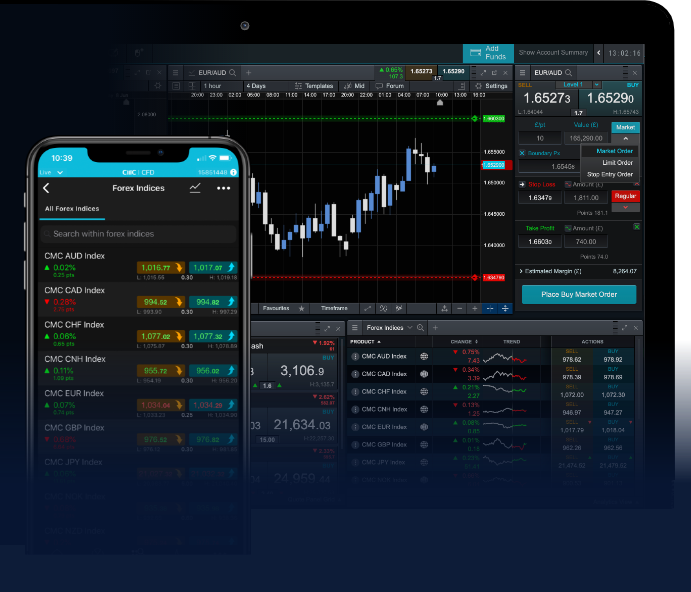
Make sure to treat your demo account like a real trading account. Set up your trades, execute your strategies, and analyze your performance. Doing so will prepare you for the psychological aspects of trading, which can be challenging when real money is on the line.
Step 5: Start Trading with Real Money
Once you feel confident in your skills and strategies, it’s time to start trading with real money. Begin with a small amount that you can afford to lose, and gradually increase your position size as you grow more comfortable with your trading strategy.
Maintain discipline and stick to your trading plan. Avoid the temptation to make impulsive decisions based on emotions or market noise. Implement effective risk management techniques, such as setting stop-loss orders and diversifying your trades, to protect your capital.
Step 6: Continuously Learn and Adapt
The forex market is dynamic, and continual learning is vital. Stay informed about changes in the market, new trading techniques, and economic events that may impact currency values. Regularly review your trading performance, analyze your successes and mistakes, and adjust your strategy accordingly.
Consider joining trading communities or forums where you can share ideas, strategies, and market insights with other traders. Engaging with others can broaden your perspective and improve your trading approach.
Conclusion
Starting your forex trading journey doesn’t have to be overwhelming. By educating yourself, choosing the right broker, creating a solid trading plan, and continuously learning, you can navigate the forex market successfully. Remember to practice patience and discipline while trading, and be prepared for both successes and setbacks. With dedication and effort, you can make forex trading a rewarding experience.