



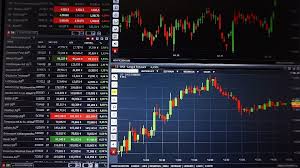
In the rapidly-evolving world of financial markets, forex algorithmic trading Trading Asia has emerged as a prominent player in the realm of Forex algorithmic trading. This approach leverages advanced algorithms and automated systems to enable traders to execute trades with precision and speed, capitalizing on the vast opportunities that the Forex market offers. This article delves into the fundamentals of Forex algorithmic trading, its benefits, challenges, and how aspiring traders can get started.
What is Forex Algorithmic Trading?
Forex algorithmic trading is the use of computer algorithms to automate trading decisions in the foreign exchange market. These algorithms analyze market data, identify trading opportunities, and execute trades based on a predefined set of rules. The primary objective is to outperform human traders by taking advantage of the market’s inefficiencies at a speed and frequency that are impossible for manual traders.
The Evolution of Algorithmic Trading
The origins of algorithmic trading can be traced back to the early 1970s, with the advent of electronic trading systems. Initially used by institutional investors, algorithmic trading has since become accessible to retail traders. The development of advanced software, powerful computing resources, and high-speed internet connections has facilitated this evolution, making algorithmic trading a vital component of modern Forex trading strategies.
Benefits of Forex Algorithmic Trading
The advantages of Forex algorithmic trading are vast, providing traders with tools and insights that enhance their trading effectiveness. Some key benefits include:
- Speed and Efficiency: Algorithms can process vast amounts of market data and execute trades within milliseconds. This speed can be crucial in capitalizing on fleeting market opportunities.
- Consistency: Algorithmic trading removes emotional biases, ensuring that trades are executed consistently according to the defined strategy.
- Data Analysis: Algorithms can analyze multiple currency pairs and vast datasets simultaneously, identifying patterns and trends that human traders might overlook.
- Backtesting: Traders can test their algorithmic strategies against historical market data, allowing them to refine their approach before deploying real capital.
- Diversification: By running multiple algorithms across different markets, traders can diversify their trading strategies, reducing risk.
Challenges and Risks of Algorithmic Trading
Despite its benefits, Forex algorithmic trading comes with its own set of challenges and risks:
- Technical Failures: Glitches, software bugs, and system failures can lead to unintended trading outcomes. Traders must ensure that their systems are robust and reliable.
- Market Volatility: Algorithms can react poorly during times of extreme market volatility, leading to significant losses if not properly managed.
- Over-Optimization: There’s a temptation to refine algorithms excessively based on historical data, which can result in strategies that perform well in the past but fail in real-time trading (overfitting).
- Regulatory Challenges: Traders must stay updated on regulations governing algorithmic trading in their jurisdiction to avoid potential legal issues.
Getting Started with Forex Algorithmic Trading
For those looking to venture into Forex algorithmic trading, the following steps can be beneficial:
- Educate Yourself: Understand the basics of Forex trading, market structure, and how algorithmic trading works. Online courses, books, and forums can provide valuable insights.
- Choose a Trading Platform: Select a reputable trading platform that supports algorithmic trading. Ensure it offers tools for backtesting and developing algorithms.
- Develop a Trading Strategy: Create a strategy based on your trading style, risk tolerance, and market conditions. This could involve technical indicators, price action, or statistical analysis.
- Backtest Your Strategy: Use historical data to test your algorithms. Assess performance metrics like the Sharpe ratio and drawdown to gauge effectiveness.
- Start Small: Begin with a small account to test your algorithms in live market conditions. Monitor performance and make necessary adjustments.
- Continuous Improvement: The market is constantly changing; regularly review and adapt your algorithms to stay ahead.
Conclusion
Forex algorithmic trading presents numerous opportunities for traders seeking to enhance their market performance. By leveraging technology and data-driven strategies, traders can gain a competitive edge in today’s dynamic Forex landscape. However, it’s crucial to remain aware of the challenges and risks involved, employing best practices to navigate the complexities of automated trading. With proper education, planning, and execution, traders can unlock the full potential of Forex algorithmic trading.